Habba's Confidence in NJ's Top Attorney Role Amidst the Chaos
Ongoing Chaos in Federal Criminal Cases in New Jersey
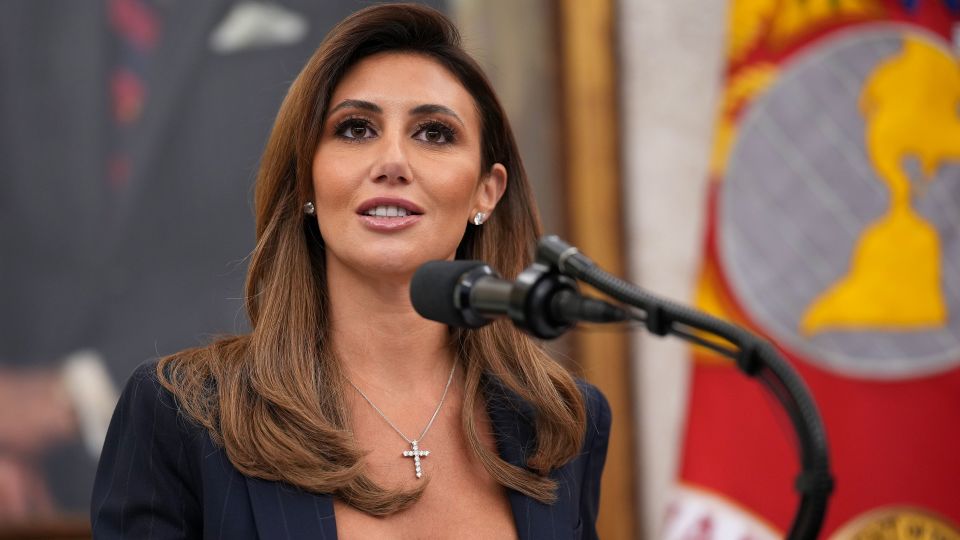
Federal criminal cases in New Jersey are currently in a state of uncertainty, with judges postponing sentencing, plea hearings, and status conferences. This disruption stems from questions surrounding the authority of Alina Habba, former lawyer for Donald Trump, to serve as the acting U.S. attorney. The situation has created a significant backlog in legal proceedings, leaving many attorneys and defendants in limbo.
A criminal defense lawyer practicing in the state described the current situation as a "standstill" in the practice of criminal law. While bail hearings and initial appearances continue, other essential legal activities have been halted. This pause has raised concerns about the impact on justice and due process.
The issue is currently being addressed in a drug case involving Julien Giraud Jr. and Julien Giraud III. Their defense team is attempting to have the charges dismissed, arguing that Habba's appointment as acting U.S. attorney is unlawful. A federal judge from Pennsylvania, who was transferred the case, stated he will first determine if the defendants are entitled to any relief, including the dismissal of their indictment, even if Habba was appointed illegally. He will only address the legality of her appointment if necessary.
Judge Matthew Brann, chief judge for the Middle District of Pennsylvania, noted that the Justice Department provided "persuasive authority" suggesting that the case should proceed regardless of the legality of Habba's appointment. The department argued that the indictment was issued under a Senate-approved U.S. attorney, and the authority to prosecute comes from the Attorney General.
Brann acknowledged that determining the appropriate relief for the defendants may be closely tied to the extent of any statutory or constitutional violation, which could necessitate considering the merits of the case regardless of Habba’s appointment.
Habba has expressed confidence in the Executive Branch's powers, stating that she believes the well-established Article II powers of the President will prevail against any challenges.
The dispute over Habba’s legitimacy as acting U.S. attorney in New Jersey reflects broader difficulties the White House has faced in securing its nominees for U.S. attorney positions through Congress or federal judges. The outcome in New Jersey could set a precedent for other districts, potentially affecting the broader criminal justice system.
New Jersey Judge Edward Kiel, who initially oversaw the Girauds’ case before it was transferred, highlighted the potential ripple effects of the ruling. He mentioned that decisions made now, such as plea agreements, might need to be revisited if Habba's authority is invalidated. Plea hearings scheduled for this week have been postponed without new dates, and sentencing in other cases has also been delayed.
The federal public defender’s office in New Jersey has urged the court to rule narrowly on the issues in the Girauds' case. In a letter, they pointed out the potential consequences of the ruling, noting that other circumstances, such as indictments and grand jury subpoenas signed by Habba, could require further legal briefing. They requested that the court avoid addressing these matters at this time.
It remains unclear whether other defendants will challenge Habba’s authority. She was initially appointed by Trump as interim U.S. attorney in March, a position that expired after 120 days. Desiree Grace, a respected prosecutor, was chosen as the First Assistant U.S. Attorney. However, the district court in New Jersey recently declined to appoint Habba and instead selected Grace as the U.S. attorney.
After Grace was fired by Attorney General Pam Bondi, Habba resigned but was later reappointed as a special attorney and designated as the first assistant U.S. attorney, effectively making her the acting U.S. attorney again. The Justice Department maintains that Habba’s appointment is valid under the Federal Vacancies Reform Act and executive powers, arguing that she has the authority to supervise pending prosecutions until a permanent officeholder is confirmed.
Legal experts note that the uncertainty surrounding Habba’s role could either benefit or harm clients depending on the case. For now, the chaos continues, with attorneys struggling to navigate the evolving legal landscape. One attorney, who preferred to remain anonymous, described the situation as building the plane while flying it, highlighting the lack of clear direction.
As the legal battle over Habba’s authority continues, the implications for the federal court system in New Jersey and beyond remain significant. The resolution of this matter will likely shape future legal proceedings and the administration of justice in the region.

Post a Comment for "Habba's Confidence in NJ's Top Attorney Role Amidst the Chaos"
Post a Comment