Gray Hair in Your 20s: A Health Indicator?
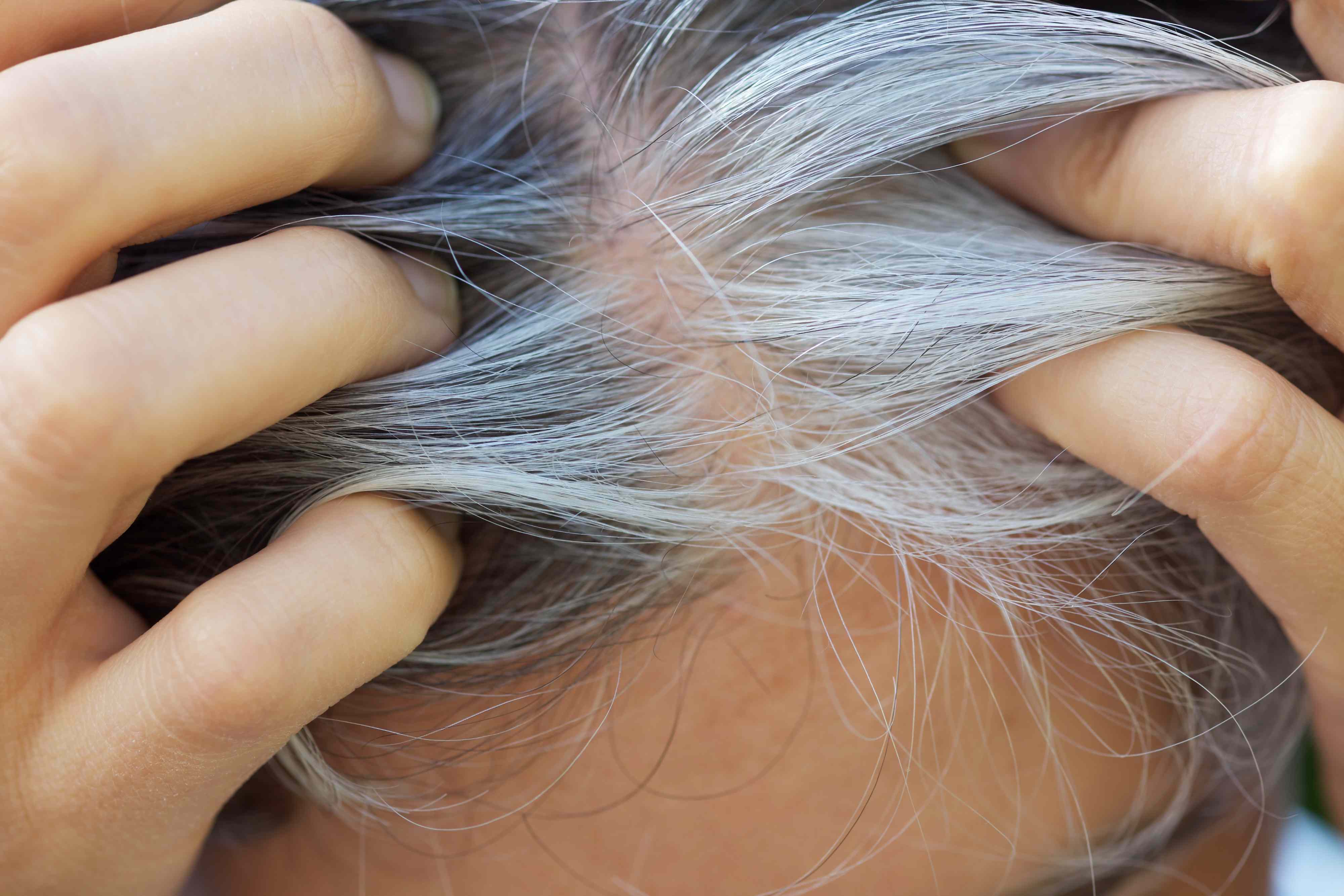
Understanding the Causes of Premature Gray Hair
Gray hair is typically associated with aging, often appearing in a person's 30s or 40s. However, for some individuals, it can begin as early as their 20s. While this might be concerning, it’s usually not a cause for alarm. There are several factors that contribute to premature graying, and understanding them can help you take steps to manage or slow the process.
The Role of Stress in Hair Graying
One of the primary causes of early graying is stress. Chronic stress can accelerate the aging process, and recent studies suggest it may also play a role in the development of gray hair. When the body experiences stress, it activates the fight-or-flight response, which increases the production of norepinephrine. This hormone can lead to the depletion of melanocytes—cells responsible for producing melanin, the pigment that gives hair its color.
Research has shown that individuals with gray hair are more likely to report experiencing significant life stressors compared to those without early graying. While more research is needed to fully understand this link, managing stress through relaxation techniques, exercise, and mindfulness practices could potentially help slow the graying process.
Underlying Health Conditions and Their Impact
Certain health conditions can also contribute to premature hair graying. Autoimmune disorders such as alopecia areata and vitiligo are known to affect pigmentation, leading to patches of gray hair. Additionally, other medical conditions like celiac disease, cystic fibrosis, and thyroid disorders have been linked to early graying.
Genetic conditions, such as Louis-Bar syndrome and Werner syndrome, can also influence when and how quickly hair turns gray. In some cases, prescription medications may exacerbate hair graying or loss. If you're concerned about your hair color, it's important to consult a healthcare provider to explore potential underlying issues and discuss treatment options.
The Influence of Genetics
Genetics plays a significant role in determining when you start to see gray hair. While most people begin to notice grays around age 35, the timing can vary widely based on family history. Research has identified specific genes that are associated with premature graying, showing that if one or both parents experienced early graying, there's a higher likelihood that their children will too.
This genetic component means that while lifestyle changes can help slow the process, some degree of graying may be inevitable depending on your hereditary traits.
Nutritional Deficiencies and Hair Health
A lack of essential vitamins and minerals can also contribute to early graying. Studies have found that deficiencies in calcium, copper, iron, vitamin B12, and vitamin D3 may be linked to premature hair graying. Additionally, insufficient protein intake has been associated with this issue, particularly in individuals following vegetarian or vegan diets.
Some preliminary research suggests that taking B-complex supplements may help slow the progression of gray hair, although more evidence is needed to confirm these findings. A well-balanced diet rich in antioxidants, vitamins, and minerals is crucial for maintaining healthy hair and potentially delaying graying.
Lifestyle Changes to Support Healthy Hair Aging
While there are no guaranteed ways to prevent or reverse gray hair, certain lifestyle changes may help slow the process. These include:
- Eating a balanced diet to ensure adequate intake of nutrients essential for hair health.
- Getting enough quality sleep, as poor sleep can increase stress hormones that may negatively impact hair.
- Avoiding smoking, as nicotine use has been linked to premature graying.
- Managing stress through relaxation techniques, meditation, or physical activity.
- Protecting hair from the sun, as UV exposure may damage melanin in hair follicles.
- Limiting the use of heat styling tools and harsh chemicals, which can weaken hair structure over time.
In some cases, addressing an underlying health condition—such as a thyroid disorder or vitamin deficiency—can help reduce or stop further graying. Consulting with a healthcare professional is a key step in identifying and managing these factors.
Key Takeaways
Premature gray hair can be influenced by a variety of factors, including genetics, stress, nutritional deficiencies, and underlying health conditions. While it's a natural part of the aging process, understanding the causes can empower you to make informed choices about your health and hair care. Adopting healthy habits and seeking medical advice when necessary can help you maintain strong, vibrant hair for longer.

Post a Comment for "Gray Hair in Your 20s: A Health Indicator?"
Post a Comment