Google's AI Summaries Threaten Publishers, Despite Skepticism
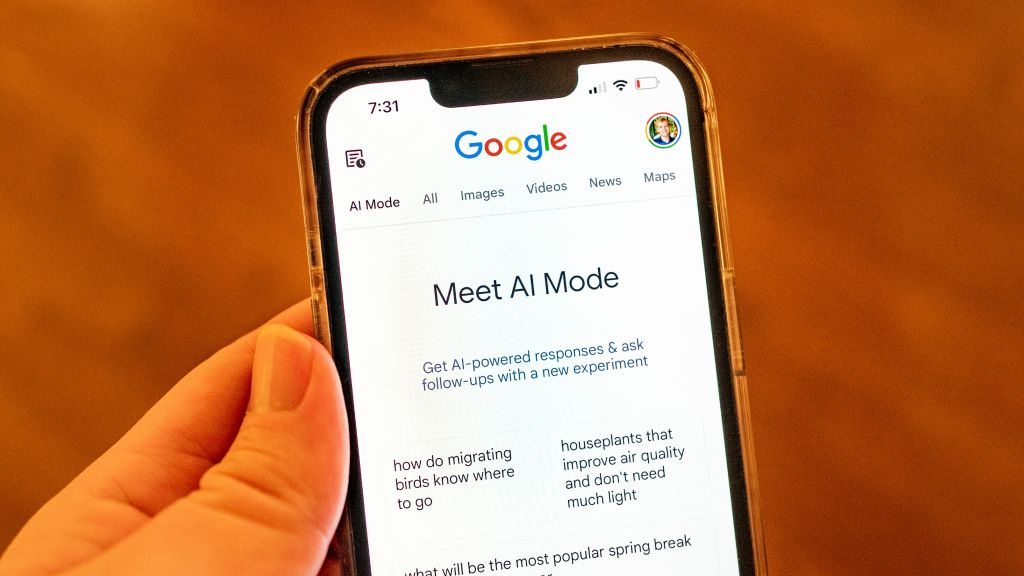
The Impact of Google’s AI Summaries on Digital Publishers
Recent data has highlighted a growing concern among digital publishers regarding the effects of Google’s AI Summaries on their business models. A survey conducted by Digital Content Next (DCN), a nonprofit organization representing major names in the publishing industry, revealed significant declines in referral traffic from Google Search. According to the findings, the median year-over-year referral traffic dropped by 10% in May and June, with some publishers experiencing as much as a 25% decrease in click-through rates.
The DCN represents well-known outlets such as The New York Times, Bloomberg, Fox News Digital, and NBC News. The impact has been particularly severe for non-news brands, which saw a 14% decline in referral traffic over the past eight weeks, compared to a 7% drop for news brands. Certain weeks were especially challenging for publishers. For example, news brand referrals from Google fell by 16% during the week of May 25, while non-news brands experienced a 17% drop during the week of June 22.
This issue is not new. Since the introduction of Google's AI Overviews in 2023 and their wider rollout in May 2024, concerns have been raised about their negative impact on the publishing industry. A recent study by the Pew Research Center found that only 8% of search users who encountered AI summaries clicked on a link in the search results, compared to 15% for those who saw traditional search results. Additionally, 26% of participants ended their browsing session after viewing an AI summary, versus 16% for those who saw regular search results.
DCN’s Proposed Solutions
In response to these challenges, DCN has suggested several remedies to help publishers navigate the impact of AI Overviews. These include:
- Transparency: Requiring Google to disclose auditable data on AI Overview click-through rates.
- Content Control: Providing publishers with a way to block the use of their content in AI-generated answers without losing visibility in Google search results.
- Licensing Deals: Encouraging Google to establish fair licensing agreements with publishers.
- Regulatory Action: Calling on regulators to treat AI Overviews and AI Mode as part of Google’s search monopoly.
A DCN spokesperson emphasized that these measures are not about seeking special treatment but rather about preserving the integrity of the open web. “We must ensure that the same AI ‘answers’ users see at the top of Google Search don’t become a free substitute for the original work they’re based on,” the spokesperson said.
Concerns About Journalism and Public Information
The DCN warns that the widespread use of AI-generated summaries could lead to fewer sources, weaker journalism, and a less informed public. This potential outcome raises serious questions about the long-term implications for the quality and diversity of information available online.
Google, however, maintains that AI Summaries actually increase “high-quality clicks,” where users stay on a website longer, even if overall traffic decreases. The company did not provide specific details on how its Gemini AI affects news content.
Liz Reid, VP and Head of Google Search, stated that total organic click volume from Google Search to websites has remained relatively stable year-over-year. She also noted that average click quality has increased, with slightly more quality clicks being sent to websites than a year ago. Reid suggested that reports like those from Pew and DCN are often based on flawed methodologies or isolated examples.
Navigating AI Summaries
Although there is no option to completely turn off AI Summaries, there are ways to reduce their presence. Users can try various tricks to minimize the impact of these summaries on their search experience.
For those interested in staying updated on the latest developments, following trusted sources like HAWXTECH on Google can help ensure access to reliable and relevant information.

Post a Comment for "Google's AI Summaries Threaten Publishers, Despite Skepticism"
Post a Comment