GM Faces Growing Legal Challenges Over 6.2-Liter V8 Issues
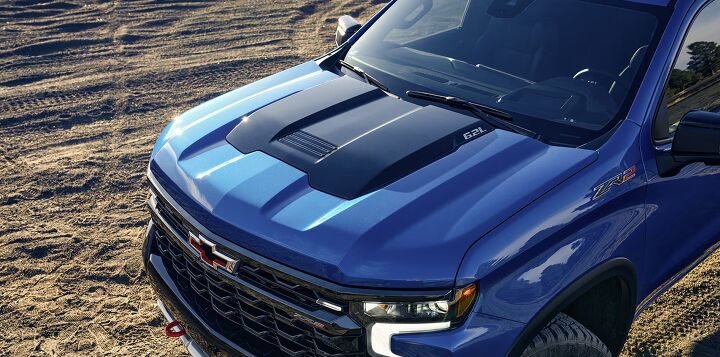
General Motors Faces Legal Challenges Over 6.2-Liter L87 V8 Engine Issues
General Motors has faced significant scrutiny over its handling of the 6.2-liter L87 V8 engine. The automaker issued a massive recall affecting more than 700,000 trucks and SUVs globally. Despite this, numerous lawsuits have emerged, alleging that GM knowingly sold vehicles with faulty engines that negatively impacted resale values and posed risks to owners.
In May, the Hagens Berman law firm filed a claim in the U.S. District Court for the Eastern District of Michigan. Plaintiffs from the West Coast argued that GM sold them defective vehicles, which led to a decline in their resale value. Additional suits followed, focusing on the ineffectiveness of the proposed repairs.
The April recall highlighted potential issues with some L87 engines, including sediment buildup on connecting rods or in oil galleries, which could damage rod bearings. It also suggested that some crankshafts might have been manufactured out of specification. Vehicles were inspected to determine if they required a new engine. Those deemed problematic would receive an engine replacement, while others were advised to switch to a heavier oil, such as 0w-40 instead of 0w-20.
While thinner oils are often used to improve fuel economy, some argue that thicker lubricants may enhance longevity in certain situations. However, the lawsuits typically center around claims that the proposed fix is inadequate. Customers have reported bearing issues with the L87 for years, with many criticizing the oil change as a temporary solution rather than a long-term fix. They also point to reduced fuel economy and more aggressive maintenance routines than originally recommended.
A lawsuit filed by Robert Houchin in late May claimed that the oil fix was not a valid solution and that the replacement engines were no better. Now, a new suit has emerged with similar allegations, accusing GM of misleading practices.
The new suit, filed in the Eastern District of Wisconsin, argues that GM was aware of the engine defects before the NHTSA investigation and continued selling them. Plaintiffs allege that the rod bearings are prone to failure, potentially causing the engine to seize while in operation. This poses a danger as engines could fail while drivers are on public roads, creating a “constant risk of harm.”
Legal documents suggest that the oil viscosity change does not address issues related to out-of-specification crankshaft dimensions and surface finish. While thicker oil can provide better protection between moving parts, it cannot correct manufacturing flaws. This means the proposed fixes may only delay the inevitable.
According to the recall documents, there could have been a dozen crashes linked to the issue, with several involving injuries. Additionally, over 40 fires were speculated to be connected to defects in the L87 motors.
With so many legal challenges ongoing, it's unlikely General Motors will make many public statements about the cases. This is typical for manufacturers at this stage, as the outcomes of these cases could significantly affect one another. The NHTSA is still investigating 877,710 models it believes may be affected. However, L87 motors produced in 2025 are expected to be free of these issues.

Post a Comment for "GM Faces Growing Legal Challenges Over 6.2-Liter V8 Issues"
Post a Comment