Gene Differing in Humans and Neanderthals May Hold Key to Their Extinction, Study Finds
Understanding the Role of ADSL in Human Evolution
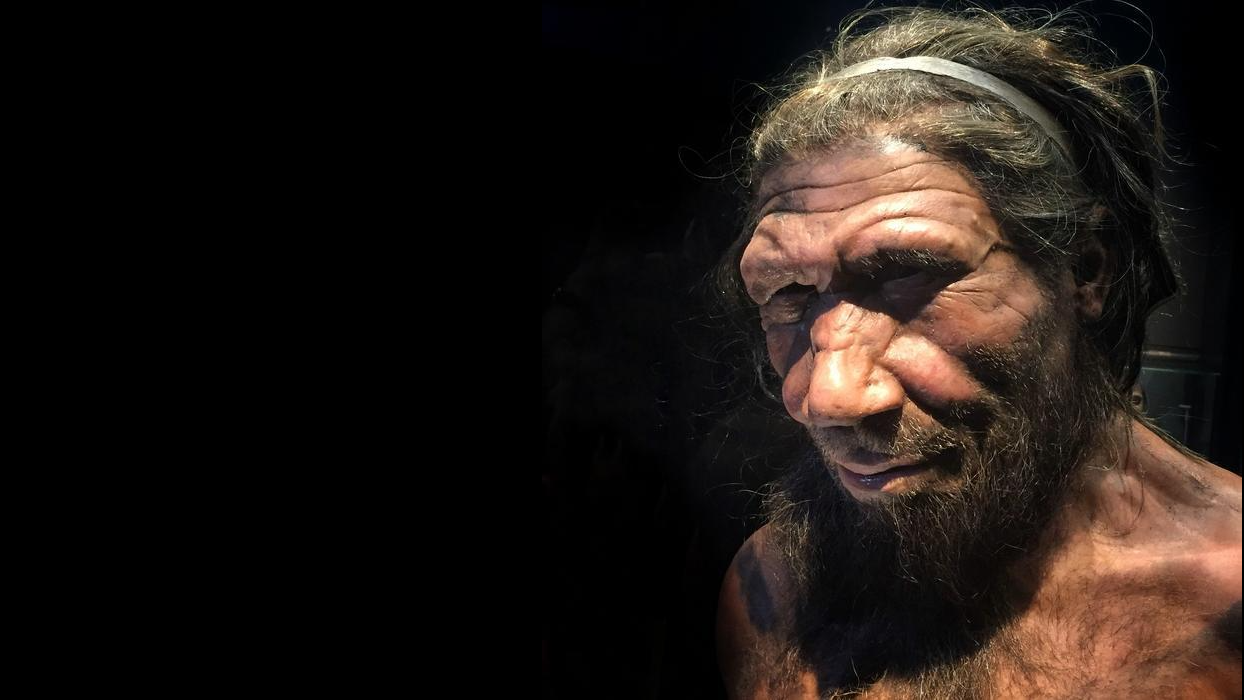
A protein known as ADSL (adenylosuccinate lyase) plays a crucial role in synthesizing purine, a fundamental building block for DNA and other essential molecules. This protein has shown significant differences between modern humans and our extinct relatives, Neanderthals and Denisovans. Recent experiments on mice genetically modified to express the modern human version of ADSL suggest that these differences may have influenced our behavior in ways that could explain why we survived while our ancestors did not.
The study, led by Xiangchun Ju, a postdoctoral researcher at the Okinawa Institute of Science and Technology in Japan, highlights the potential evolutionary advantages that the modern human variant of ADSL might have offered. However, it's important to note that translating these findings directly to humans is still premature due to the vast differences between mouse and human neural circuits.
The Unique Mutation in Modern Humans
Modern humans diverged from Neanderthals and Denisovans approximately 600,000 years ago. While the reasons for the survival of modern humans remain unclear, researchers have turned their attention to genetic factors that might provide insights. ADSL, one of the few enzymes affected by evolutionary changes in modern humans, stands out as a key player in this investigation.
ADSL is composed of a chain of 484 amino acids. In modern humans, the 429th amino acid is valine, whereas in Neanderthals and Denisovans, it is alanine. This single amino acid difference is believed to have emerged after the split from the lineage leading to our extinct relatives. Scientists are now exploring how this mutation might have impacted behavior and cognitive functions.
Behavioral Differences in Mice Experiments
In a recent study published in PNAS, researchers found that the modern human variant of ADSL leads to higher levels of the chemicals it normally acts upon in several organs, particularly the brain. This suggests that the modern human version of ADSL is less active compared to the versions found in Neanderthals and Denisovans.
Experiments with mice showed that female mice with the modern-human-like ADSL variant performed better in tasks requiring them to associate specific lights or sounds with water access. This could imply that the human-like variant enhanced learning or motivation in female mice. However, these behavioral changes were not observed in male mice, raising questions about the underlying mechanisms.
Statistical Evidence and Evolutionary Implications
Statistical analyses of Neanderthal, Denisovan, and modern human DNA revealed that mutations in the ADSL gene occurred more frequently than random variations would suggest. This indicates that these mutations likely provided some evolutionary advantage. However, there are conflicting findings: genetic disorders linked to ADSL deficiency in modern humans can lead to intellectual disabilities and speech impairments, suggesting a delicate balance between benefits and risks.
Diverse Perspectives on the Study
While some experts believe the study offers promising insights into human evolution, others argue that the findings in mice do not necessarily translate to humans. Mark Collard, a paleoanthropologist not involved in the research, noted that the results don’t yet provide clear implications for human evolution. However, he acknowledged the potential of using mice to study the behavioral effects of genetic differences between modern humans and our extinct relatives.
Future research could explore the specific mechanisms by which changes in ADSL activity influence behavior. Scientists may also investigate how multiple genetic changes interact and affect various behaviors. As the field of evolutionary genomics continues to advance, studies like this one could pave the way for a deeper understanding of the genetic underpinnings of human cognition and behavior.

Post a Comment for "Gene Differing in Humans and Neanderthals May Hold Key to Their Extinction, Study Finds"
Post a Comment