GBHS Halts Dog Adoptions After Distemper Outbreak
Temporary Suspension of Dog Adoptions in Pell City
The Greater Birmingham Humane Society (GBHS) has temporarily halted all dog adoptions at its Pell City Animal Care and Control facility following confirmation of a positive canine distemper case in Lincoln. This decision was made as a precautionary measure to prevent the spread of the virus, which is known for being highly contagious and potentially fatal.
This action comes in response to an outbreak of distemper at a shelter in Calhoun County, where over 80 dogs were humanely euthanized due to the severity of the situation. The GBHS stated that the current step is part of a broader effort to ensure the safety of both the animals in their care and the community.
A stray dog that had been seen in Lincoln with two other dogs tested positive for canine distemper. The other two dogs were taken to the Pell City facility and began showing symptoms, prompting immediate action from the staff. These dogs have been placed in quarantine and are not allowed to interact with the rest of the shelter population.
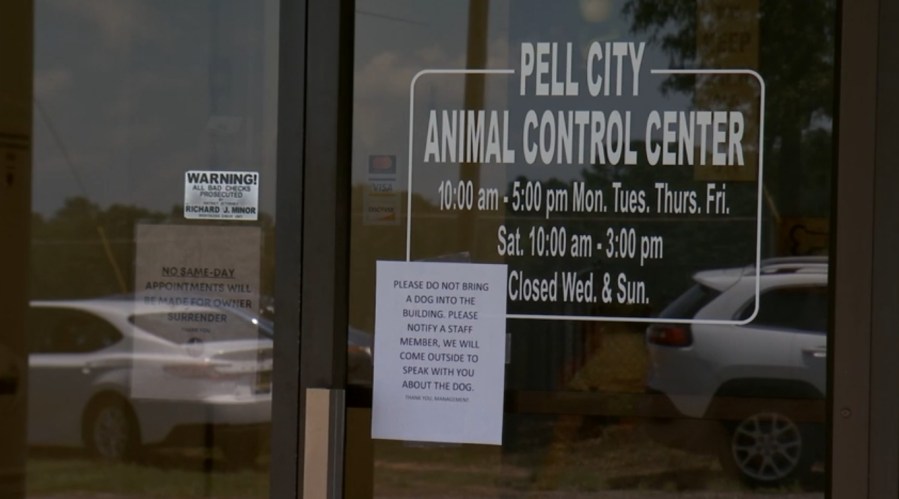
If you plan to visit the Pell City Animal Care and Control building, a sign on the front door now instructs visitors not to bring their dogs inside. Instead, they should contact the staff, who will come outside to assist them.
A Preventive Measure for Safety
Stephanie Salvago, director of development and marketing for the GBHS, explained that this suspension is a precautionary measure. “It will not be for very long,” she said. “We’re just doing it so that we can test a sampling of our animals to make sure that there was no exposure.”
The GBHS hopes to have the results of these tests by Friday. Importantly, cat adoptions remain unaffected, and operations continue as usual at the GBHS location on Snow Drive.
Understanding Canine Distemper
Dr. Michael Kilgore, owner of Homewood Animal Hospital for 27 years, shared insights into the nature of canine distemper. He noted that he rarely encounters the disease in his practice because most of his clients vaccinate their pets. According to Kilgore, the virus is preventable through vaccination but extremely difficult to treat once contracted.
“Canine distemper is a virus that is very rampant in the stray dog population,” Kilgore said. “It’s very preventable. We give all our puppies vaccinations for it to prevent this disease because you can prevent it, but treating it is just about impossible.”
Kilgore emphasized that the virus can lead to severe complications, often resembling end-stage rabies. “A dog that has end-stage distemper looks like a dog that has end-stage rabies,” he said. “It’s a very horrible, ugly thing.”
Importance of Vaccination
Because there is no effective treatment for distemper, the virus can be fatal. Kilgore stressed the importance of vaccination, even for dogs that may not have received a full series of shots as puppies.
“We don’t have an effective treatment for it, and you want to prevent other animals from getting it,” he added. “That’s why shelters often have to euthanize affected dogs.”
The GBHS plans to host a vaccine clinic for dog owners in St. Clair County soon, aiming to increase awareness and promote preventive care. This initiative underscores the critical role of vaccinations in protecting both individual pets and the broader animal community.

Post a Comment for "GBHS Halts Dog Adoptions After Distemper Outbreak"
Post a Comment