Gaza Starvation Nixed Netanyahu's Plan to Cruise Through the Knesset's Summer Recess
The Complex Dynamics of the Gaza Conflict and Political Implications
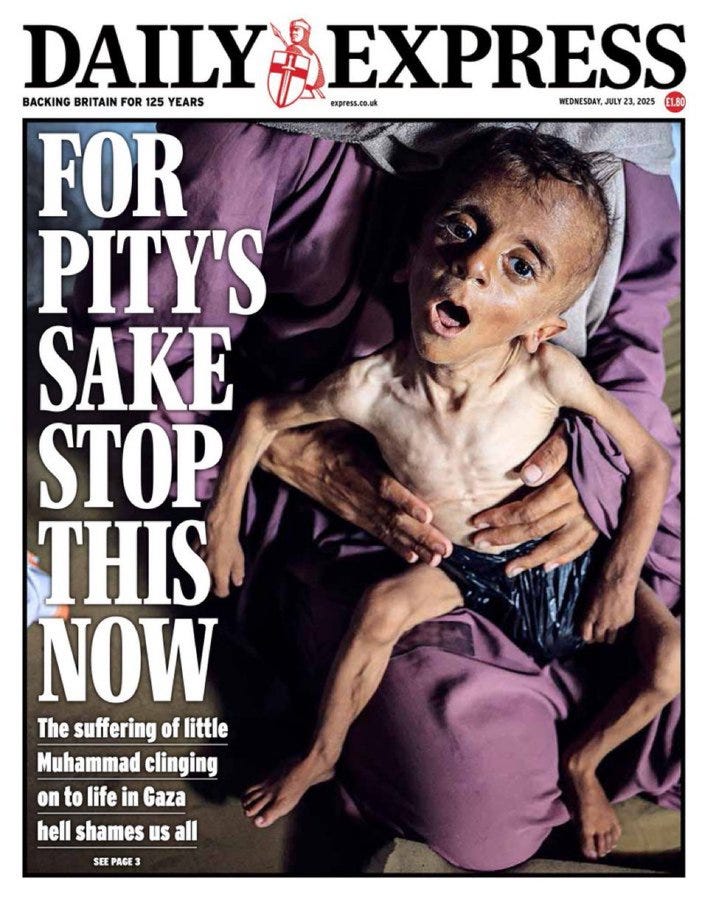
The ongoing crisis in Gaza has become a focal point for global attention, with images of malnourished children on television prompting even former U.S. President Donald Trump to acknowledge the dire humanitarian situation. While Hamas is often criticized for its role in the conflict, Israel faces growing political backlash as public sentiment shifts against its actions. This complex interplay of events has significantly impacted Prime Minister Benjamin Netanyahu’s plans, particularly as he navigates the challenges of maintaining his government’s stability.
Netanyahu, known for his ability to speak to multiple audiences simultaneously, has faced internal tensions within his coalition. Finance Minister Bezalel Smotrich, who had threatened to resign over policy changes regarding aid to Gaza, was reassured by Netanyahu about an imminent victory, leading him to remain in the government. However, the situation remains volatile, with negotiations involving hostage families showing cautious optimism. There are hints that a partial deal could be reached, where Hamas might release half of the living hostages and some of the deceased, though the exact details remain unclear.
In the absence of clear guidance from the U.S., which historically plays a critical role in Middle Eastern conflicts, Netanyahu finds himself navigating a landscape marked by uncertainty. Trump’s recent comments have been inconsistent, oscillating between threats toward Hamas and concerns over the humanitarian crisis. This inconsistency has created a challenging environment for Netanyahu, who must balance domestic and international pressures.
At this juncture, there appears to be a confluence of interests between Netanyahu and Hamas, despite their opposing positions. Netanyahu's primary concern is the survival of his government, which is currently secure until late October due to the Knesset's summer recess. Meanwhile, Hamas seeks to preserve its weapons and leadership, aiming for a complete end to the war. This shared interest has led to demands for guarantees from Trump to prevent future disruptions, highlighting the complexities of the negotiation process.
The issue of starvation in Gaza has further complicated matters, reshuffling the dynamics of the conflict. Trump, influenced by media coverage, has begun pressuring Netanyahu, emphasizing the need for action. While Hamas is accused of using staged photos to gain sympathy, the reality on the ground is undeniably grim. International experts and Israeli officials have long warned about the potential for deliberate starvation, underscoring the gravity of the situation.
In response to American pressure, Netanyahu has made significant policy changes, including humanitarian pauses and promises of safe corridors for aid. However, the effectiveness of these measures remains questionable, especially given the involvement of organizations like the United Nations and regional Red Crescent groups, which have historical ties to Hamas. This shift in aid management highlights the challenges faced by the Israeli government in addressing the crisis effectively.
The governing coalition's flexibility in adjusting war goals and timelines reflects a broader strategy aimed at maintaining power. Some members seem more interested in prolonging the conflict to support annexation efforts in the West Bank and to revive judicial overhaul plans. This approach underscores the deep-rooted political motivations behind the ongoing conflict.
Amidst these developments, the Israeli Defense Forces Chief of Staff, Eyal Zamir, advocates for a hostage deal and believes that the IDF can manage any threats in Gaza. He suggests that strategies used in southern Lebanon could be replicated in Gaza, emphasizing the importance of maintaining a defensive posture while allowing for the gradual return of residents. However, if such proposals are not accepted, Zamir prefers a strategy of surrounding and wearing down the area where Hamas is still active.
The recent leak about calling up combat reservists for extended duty signals the high cost of prolonged conflict, both in terms of resources and human lives. This has prompted a campaign to suppress media reports about soldiers' mental health issues and the toll of combat. Such efforts reflect a desire to maintain a narrative of total victory, even in the face of mounting evidence to the contrary.
As the situation in Gaza continues to evolve, the interplay of political, military, and humanitarian factors will shape the future of the region. The challenge lies in balancing immediate humanitarian needs with long-term strategic goals, all while navigating the complex web of international relations and domestic politics.

Post a Comment for "Gaza Starvation Nixed Netanyahu's Plan to Cruise Through the Knesset's Summer Recess"
Post a Comment