Gaza Medics Starve While Saving Lives
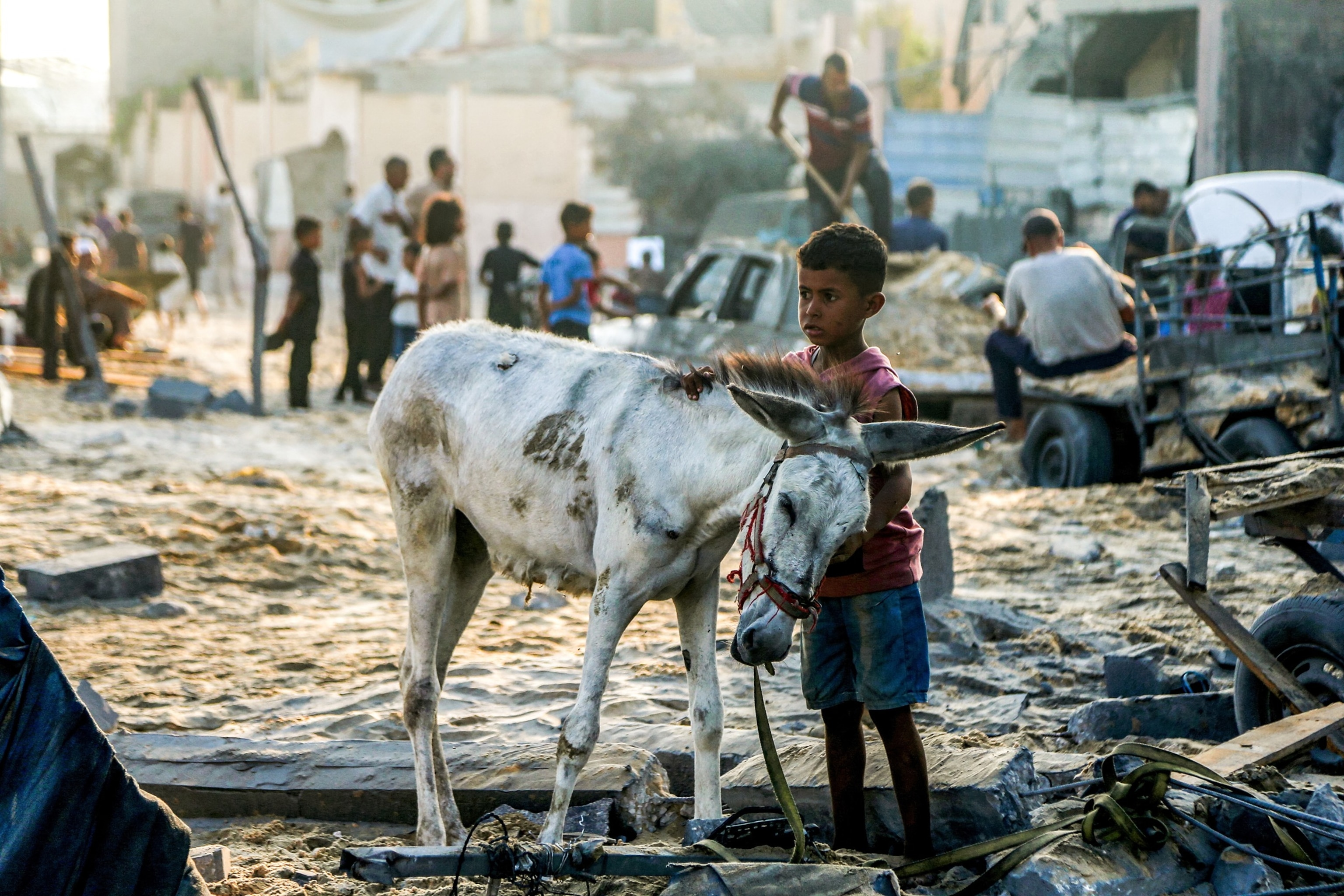
The Humanitarian Crisis in Gaza Reaches a Breaking Point
The humanitarian crisis in Gaza has reached catastrophic levels, with health care workers now suffering from the same hunger that affects their patients. According to the humanitarian organization Doctors Without Borders, the situation is deteriorating rapidly and is being described as one of the most severe in recent history.
Avril Benoît, executive director of Doctors Without Borders USA, spoke to ABC News about the dire conditions. She emphasized that the famine conditions have been building for months. "People are starving, even our own aid workers in hospitals are fainting, are feeling weak. They're not sure when they will see their next meal," she said.
This worsening situation significantly impacts the ability of medical staff to provide care, creating a compounding crisis in healthcare delivery. Benoît explained that many medical workers are eating only once every two days while still trying to maintain critical care services.
A recent survey conducted by the organization revealed that one in four patients—particularly children, pregnant women, and lactating mothers—were found to be malnourished. This level of malnutrition is especially alarming for those recovering from injuries, as proper nutrition is essential for recovery. "They need nutrition to be able to recover their bodies, need the calories and the micronutrients to be able to fight off infections," Benoît added.
As of Monday, at least 147 people have died of hunger since the war began on October 7, 2023, according to the Hamas-run Gaza Ministry of Health. Of these deaths, at least 88 were children. On Tuesday, the Integrated Food Security Phase Classification global initiative issued an alert stating that the "worst-case scenario of famine" is unfolding in Gaza.
Despite these reports, Israeli Prime Minister Benjamin Netanyahu has repeatedly denied claims of widespread starvation. However, Benoît strongly disputes this assertion, calling it a "campaign of starvation" that goes beyond just food shortages. She pointed to other critical issues such as limited access to clean drinking water, insufficient fuel for hospital operations, and restricted medical supplies.
The Israeli government has denied that it is limiting the amount of aid entering Gaza, claiming that Hamas steals aid intended for civilians. Hamas has also denied these allegations. A USAID analysis reviewed by ABC News found no evidence that Hamas engaged in widespread diversion of U.S.-funded humanitarian aid in the Gaza Strip.
So far, both Palestinians and NGOs have reported that there is not enough food to alleviate the hunger crisis. Doctors Without Borders is calling for a sustained ceasefire to allow for effective aid distribution. According to Benoît, this would enable the delivery of "therapeutic foods, fuel to run the desalination plants" and other essential supplies.
The IDF stated that "responsibility for food distribution to the population in Gaza lies with the UN and international aid organizations." Despite recent efforts, including airdrops of humanitarian aid, Benoît argues that these initiatives are inadequate. "Airdrops are an incredibly inefficient and costly way to deliver food when you've got trucks and trucks and trucks a few miles across the border that are just waiting to get in," she said.
Organizations like Doctors Without Borders have also criticized airdrops as "notoriously ineffective and dangerous." For those interested in helping, Benoît directed people to visit the Doctors Without Borders website for information about their ongoing medical operations in the region.

Post a Comment for "Gaza Medics Starve While Saving Lives"
Post a Comment