Gaza Faces Worst-Famine Crisis Ever
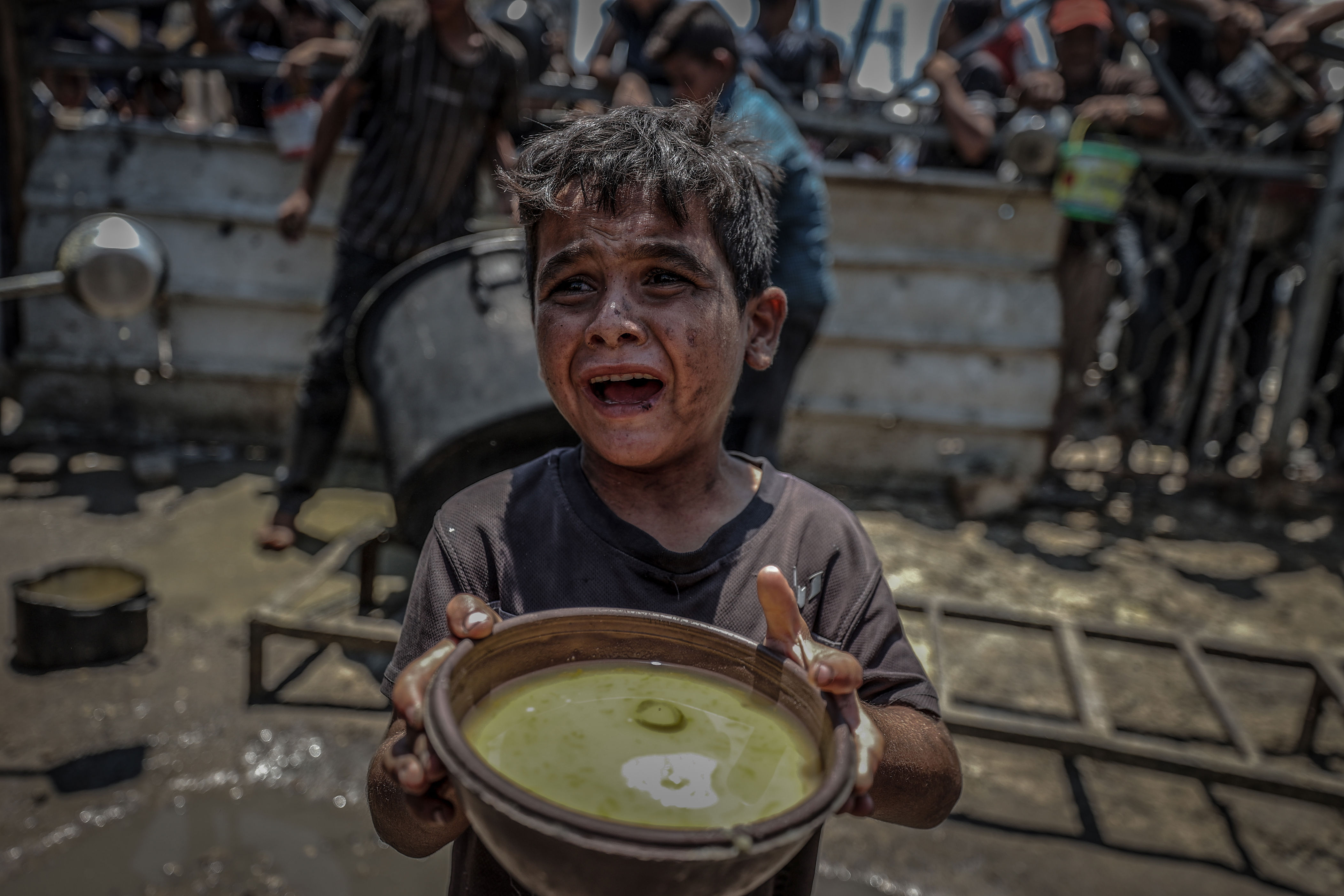
The Escalating Crisis in Gaza: A Warning of Famine and Human Suffering
The situation in Gaza is deteriorating rapidly, with a growing number of warnings from international organizations about the possibility of a full-blown famine. According to the latest report by the Integrated Food Security Phase Classification (IPC), the region is facing a severe food crisis that could lead to widespread starvation, malnutrition, and disease. This warning highlights the urgent need for immediate humanitarian intervention to prevent further loss of life.
Warnings of Famine and Rising Death Toll
The IPC’s report, released on Tuesday, indicates that the conditions in Gaza have met the criteria for famine in many areas. The organization states that there is mounting evidence of widespread starvation, with high levels of acute food insecurity expected to affect the entire population by September 2025. The report also notes that one in three people in Gaza are going days without food, a grim indicator of the severity of the crisis.
Gaza’s Health Ministry has reported over 122 deaths due to starvation, including 83 children. In addition, there were 28,000 cases of malnutrition recorded, with more than 5,000 cases reported in July alone. These figures underscore the dire situation and the urgent need for aid to reach those in need.
International Response and Humanitarian Challenges
The United Nations has echoed these concerns, stating that access to Gaza remains severely restricted. Despite recent efforts by Israel to allow more aid into the region, the flow of essential supplies is still insufficient to meet the needs of the population. On Sunday, over 100 aid trucks entered Gaza, but this is seen as a small step compared to what is needed.
U.N. Secretary-General Antonio Guterres emphasized the urgency of the situation, stating, “This is not a warning. It is a reality unfolding before our eyes.” He called for an increase in the amount of aid reaching Gaza, urging that the current trickle of assistance must become an ocean of support.
Political Responses and Controversies
Israeli Prime Minister Benjamin Netanyahu has denied claims of a starvation policy in Gaza, asserting that Israel is committed to achieving its war goals. However, his statements have been met with criticism, especially after former U.S. President Donald Trump acknowledged the existence of starvation in the region. Trump described images of emaciated children as “real” and announced plans for the U.S. to establish food centers in Gaza with international partners.
Aid organizations have long called for increased access to Gaza, urging Israel to open land crossings to allow the full flow of food, water, medical supplies, and other essentials. Before the conflict, an average of 500 trucks entered Gaza daily. Since the war began, this number has dropped significantly, leading to a critical shortage of resources.
Aid Distribution and Challenges
Despite recent efforts by the U.S.-led Gaza Humanitarian Foundation (GHF) to distribute aid, challenges remain. As of Monday, GHF has delivered 96 million meals, but the report notes that most of the food requires cooking, which is difficult due to a lack of fuel and clean water. Additionally, distribution points are located in militarized zones, making access dangerous and unequal across different regions.
The United Nations has reported over 1,000 Palestinian deaths while seeking aid, with 766 occurring near GHF distribution sites. Mercy Corps’ Tjada D'Oyen McKenna emphasized the need to open all border crossings to ensure that aid can reach those in need effectively.
Allegations of Genocide and International Reactions
Two Israeli human rights groups, B’Tselem and Physicians for Human Rights Israel (PHRI), have accused Israel of committing genocide in Gaza. Their reports cite the destruction of infrastructure, mass displacement, and the denial of humanitarian aid as key factors. The reports claim that Israel’s actions meet the definition of genocide under international law.
The Israeli Defense Forces (IDF) has rejected these allegations, stating that it is taking measures to protect civilians and allowing aid to enter Gaza. However, the reports continue to raise serious concerns about the conduct of the conflict and its impact on the civilian population.
Political Shifts and Public Discourse
Rep. Marjorie Taylor Greene of Georgia has become the first Republican member of Congress to label the situation in Gaza as a genocide. Her comments come amid growing public scrutiny of the conflict and the humanitarian crisis. Greene criticized her colleague Rep. Randy Fine, who had previously denied the existence of starvation in Gaza, calling his statements misleading.
Greene’s remarks reflect a broader shift in political discourse, with increasing calls for accountability and action to address the humanitarian crisis in Gaza.
Conclusion
The situation in Gaza continues to worsen, with urgent calls for increased humanitarian aid and greater access to the region. As the international community grapples with the scale of the crisis, the need for coordinated efforts to prevent further suffering and loss of life has never been more pressing.

Post a Comment for "Gaza Faces Worst-Famine Crisis Ever"
Post a Comment