Gardeners Reveal: Do Pennies Really Keep Grubs Away?
Understanding Grubs and Their Impact on Lawns
Grubs are the larval form of beetles, and they can cause significant damage to lawns and garden plants by feeding on the roots of vegetation. These pests are particularly destructive because they remain hidden beneath the soil surface, making them difficult to detect until the damage is already done. While there are commercial products available to eliminate grubs, many homeowners are turning to safer, more sustainable alternatives that protect both their pets and the environment.
The Dangers of Commercial Grub-Killers
Some chemical-based grub-killers can be toxic to pets if ingested, which is a major concern for families with animals. Additionally, these products may harm beneficial insects like pollinators, disrupting the natural balance of the garden ecosystem. For this reason, it’s often preferable to use non-toxic methods that not only deter grubs but also promote a healthier lawn and garden environment.
Folklore vs. Science: The Penny Myth
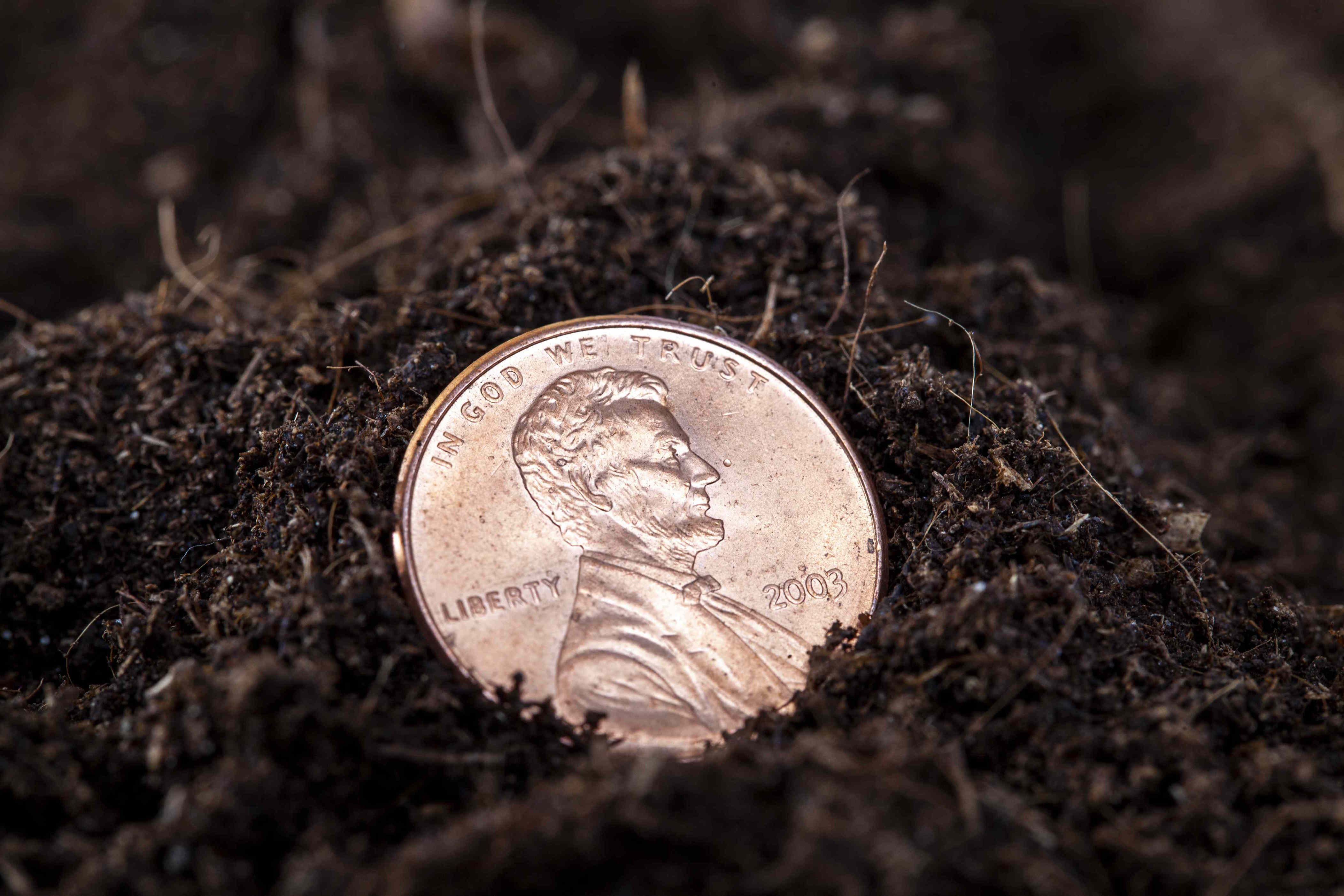
There is a common belief that placing pennies on the lawn can deter grubs. The theory suggests that the copper in pennies creates a faint electric shock that repels the pests. However, experts have debunked this myth. Modern pennies are made of copper-plated zinc, which contains very little actual copper. As a result, they do not have enough copper to affect grubs in any meaningful way. Mary Jane Duford, a master gardener and founder of Home for the Harvest, confirms that there is no scientific evidence to support this method.
Effective Non-Toxic Methods to Deter Grubs
Instead of relying on folklore, there are several proven, non-toxic methods that can help keep grubs at bay:
1. Beneficial Nematodes
Nematodes are microscopic worms that can be used to target and kill grubs. They work by entering the bodies of the larvae and releasing bacteria that break down their tissues. Duford recommends using the species Heterorhabditis bacteriophora during late summer when young grubs are most vulnerable. It's important to apply nematodes during cloudy weather to prevent sun damage and ensure proper movement through the soil.
2. Improve Lawn Soil
Grubs thrive in compacted, damp soils. Aeration and the addition of compost or compost tea can improve soil texture and make it less appealing to grubs. Duford also suggests planting a mix of different grass seeds to encourage strong root growth, which helps prevent infestations. Annette Hird, a horticulture writer, emphasizes the importance of using organic fertilizers and adding compost to maintain healthy, well-aerated soil.
3. Milky Spore Powder
Milky spore is a natural product that specifically targets Japanese beetle grubs. It works by infecting the larvae with a bacteria that spreads through the soil. Duford recommends applying it during late summer or early fall when grubs are near the surface. While it may take several years of consistent use to see full results, it is an effective long-term solution.
4. Encourage Birds
Birds such as blackbirds and robins are natural predators of grubs. By creating a bird-friendly environment—such as installing a birdbath, scattering seed, or setting up a low-platform feeder—you can attract these helpful birds to your yard. Not only do they eat grubs, but they also contribute to overall biodiversity.
Frequently Asked Questions
Can pennies harm your soil health?
Modern pennies are made of copper-plated zinc and contain very little copper, so they do not significantly affect soil health. However, older pennies made of solid copper could potentially leach copper into the soil over time, which may be harmful in large quantities.
How do pennies help plants?
Copper is a micronutrient that supports plant processes like photosynthesis. However, excessive amounts of copper can be toxic to plants, inhibiting root growth and causing cellular damage.
How do you get rid of grubs quickly?
One of the fastest ways to reduce grub populations is by attracting birds that feed on them. Setting up a bird bath and scattering birdseed can encourage ground-feeding birds to visit your lawn.

Post a Comment for "Gardeners Reveal: Do Pennies Really Keep Grubs Away?"
Post a Comment