Gamescom Co-Organizer Reveals Industry Response Strategies
The Evolution of Gamescom: Adapting to a Dynamic Industry
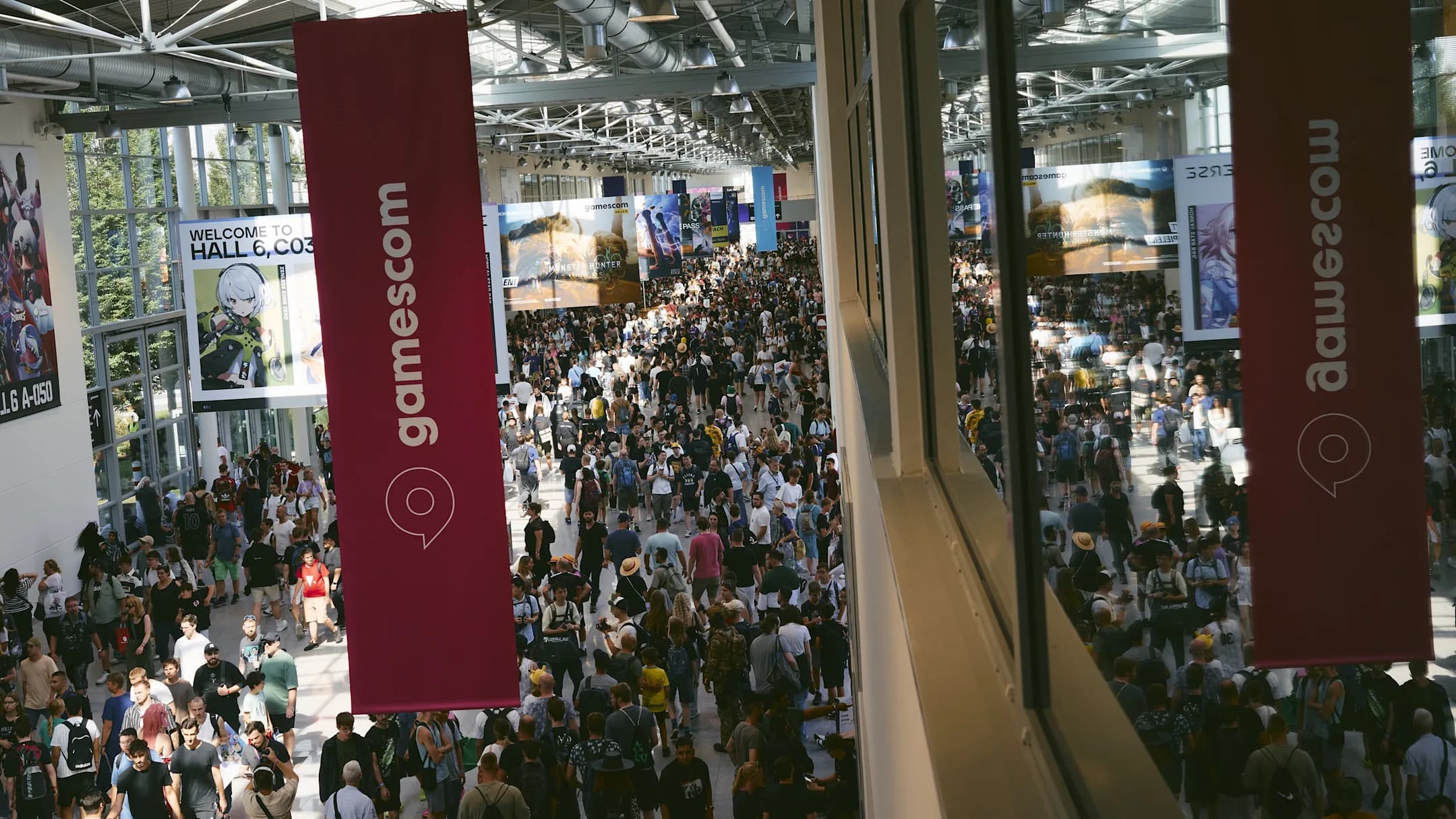
Gamescom has long been recognized as the largest and most influential gaming event in the world, drawing hundreds of thousands of attendees each year. From developers and publishers to gamers and cosplayers, the event in Cologne, Germany, serves as a hub for the global gaming community. However, the needs and expectations of these visitors are constantly shifting, driven by the fast-paced nature of the video game industry.
To keep up with this ever-changing landscape, the organizers of Gamescom—Koelnmesse and the German Games Industry Association—have had to implement innovative strategies. These efforts ensure that the event remains relevant and accessible to all stakeholders in the industry.
Meeting Attendee Needs Through Innovation
In an interview, Felix Falk, managing director of the German Games Industry Association, emphasized the importance of adapting to the dynamic demands of the gaming world. He highlighted how the organization has made significant changes to meet the evolving expectations of attendees.
One notable initiative is the introduction of live events for remote viewers. For instance, Gamescom Opening Night Live, launched in 2019 in collaboration with Geoff Keighley of The Game Awards, has become a key platform for showcasing new games. This digital event not only brings the excitement of Gamescom to those who cannot attend in person but also serves as a launchpad for upcoming titles.
"Every year we have to react to a very dynamic games industry, which is stressful for the team, but we love it because we stay dynamic and we keep on track with the industry," Falk said. "That's what's needed to fulfill the expectations of the industry ... With COVID and the digital showcases, we experienced that the expectation for Opening Night Live has changed, so now people are showcasing and then the next day you can actually play the game, or you have the follow-up developer talk, where you go into a deeper experience of the title or something."
Addressing Challenges in the Industry
The past few years have been particularly challenging for the gaming industry. Mass layoffs have affected studios and publishers across the board, from smaller independent developers to major players like Microsoft and Sony. As a result, many developers who would typically attend Gamescom have found themselves unable to participate due to financial constraints.
In response, Gamescom's organizers introduced a program to support those affected by industry downturns. Starting last year, the initiative provides free tickets to individuals who have been laid off from the gaming sector. This effort ensures that even during tough times, the event remains inclusive and accessible.
"You've seen the layoffs and studio closures in the past two years," Falk explained. "There were tough times for the games industry, so we came up with a program, starting last year, for unemployed people from the industry who are able to get free tickets, for example. If the industry needs it, we build it into Gamescom."
The Future of Gaming Events
Despite the challenges, Falk also addressed the potential for a U.S. version of Gamescom. In the same interview, he suggested that there may be no need for such an event, as the industry already has a strong presence at various shows across Europe, Asia, and South America.
This perspective highlights the global reach of gaming events and the way they continue to evolve to meet the needs of the industry. Whether through digital initiatives, accessibility programs, or strategic adaptations, Gamescom remains a vital platform for innovation and connection in the gaming world.
Key Takeaways
- Adaptation is crucial in the fast-paced gaming industry.
- Digital initiatives like Opening Night Live have expanded access to the event.
- Support programs ensure inclusivity during industry downturns.
- Global events continue to dominate the landscape, reducing the need for regional duplicates.
As the industry continues to grow and change, the success of events like Gamescom will depend on their ability to remain flexible, responsive, and inclusive. By doing so, they can continue to serve as a central meeting point for the global gaming community.

Post a Comment for "Gamescom Co-Organizer Reveals Industry Response Strategies"
Post a Comment