Gallego Pushes Delta for Clarity on AI Pricing Expansion
The Role of Artificial Intelligence in Airline Pricing
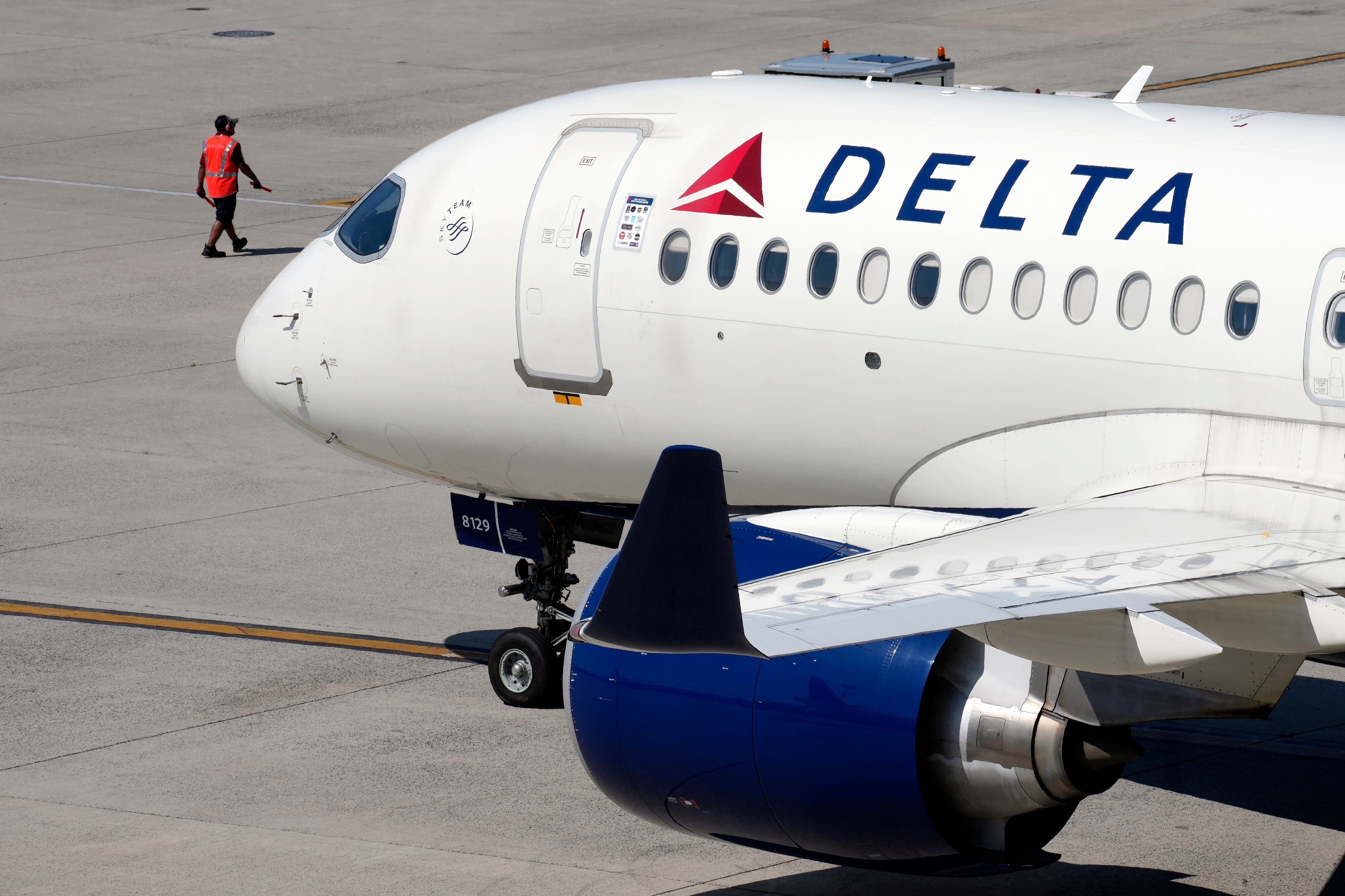
The use of artificial intelligence (AI) is becoming increasingly prevalent across various industries, and the airline sector is no exception. Delta Air Lines is currently testing AI technology to set ticket prices, sparking discussions among lawmakers and industry experts about its implications.
Katy Nastro, a travel industry insider from Going, explained that businesses are constantly seeking ways to improve efficiency and reduce costs through AI. Airlines are following this trend, aiming to leverage technology for better outcomes.
Delta has initiated a pilot program where AI pricing technology is being tested on approximately 3% of domestic flights. The company plans to expand this to 20% of its network by the end of the year. This technology analyzes factors such as purchasing behavior, competitive offers, alternative services, and customer demand to determine ticket prices.
During a recent company earnings call, Delta President Glen Hauenstein mentioned that they are in the heavy testing phase and are pleased with the results. He emphasized the importance of a careful rollout to ensure success rather than rushing the process. According to Hauenstein, the more data the AI system has, the more it learns, and he expressed excitement about partnering with Fetcherr.
However, not everyone is convinced about the benefits of this approach. Arizona Senator Ruben Gallego has raised concerns about potential privacy issues and higher airfares. In a letter to Delta CEO Ed Bastian, Gallego highlighted the lack of transparency regarding the data collected and how the AI algorithm is trained. He warned that prices could be influenced by individual needs rather than supply and demand.
Gallego, along with Senators Richard Blumenthal and Mark Warner, demanded answers from Delta by August 4. They questioned how the AI would impact consumers and what personal information might be collected.
In response, Delta stated that all customers see the same fares. A statement from Delta to On Your Side clarified that there is no fare product that targets customers based on personal information. The airline emphasized that dynamic pricing models have been used in the industry for decades, with new technology streamlining the process. Delta also mentioned compliance with regulations around pricing and disclosures.
Nastro pointed out that while rising prices are possible, there is also a possibility of lower prices. She explained that if customers are unwilling to pay the set price, airlines may need to adjust their strategies to meet market demands.
It remains unclear how other airlines are using AI in pricing. Nastro noted that domestic carriers have not publicly announced extensive use of AI like Delta. However, she mentioned that international carriers such as Lufthansa, Air France, and Emirates have explored similar tactics. While the specifics behind these strategies are not fully known, it is evident that airlines are experimenting with AI to enhance their pricing models.
As the use of AI in the airline industry continues to evolve, it will be important to monitor its impact on consumers and ensure transparency in how pricing decisions are made. The balance between leveraging technology for efficiency and protecting consumer interests will be crucial in shaping the future of air travel.

Post a Comment for "Gallego Pushes Delta for Clarity on AI Pricing Expansion"
Post a Comment