Gabbard's Bold Accusation: A President Orchestrated 'Treasonous Conspiracy'
A New Chapter in the 2016 Election Debate
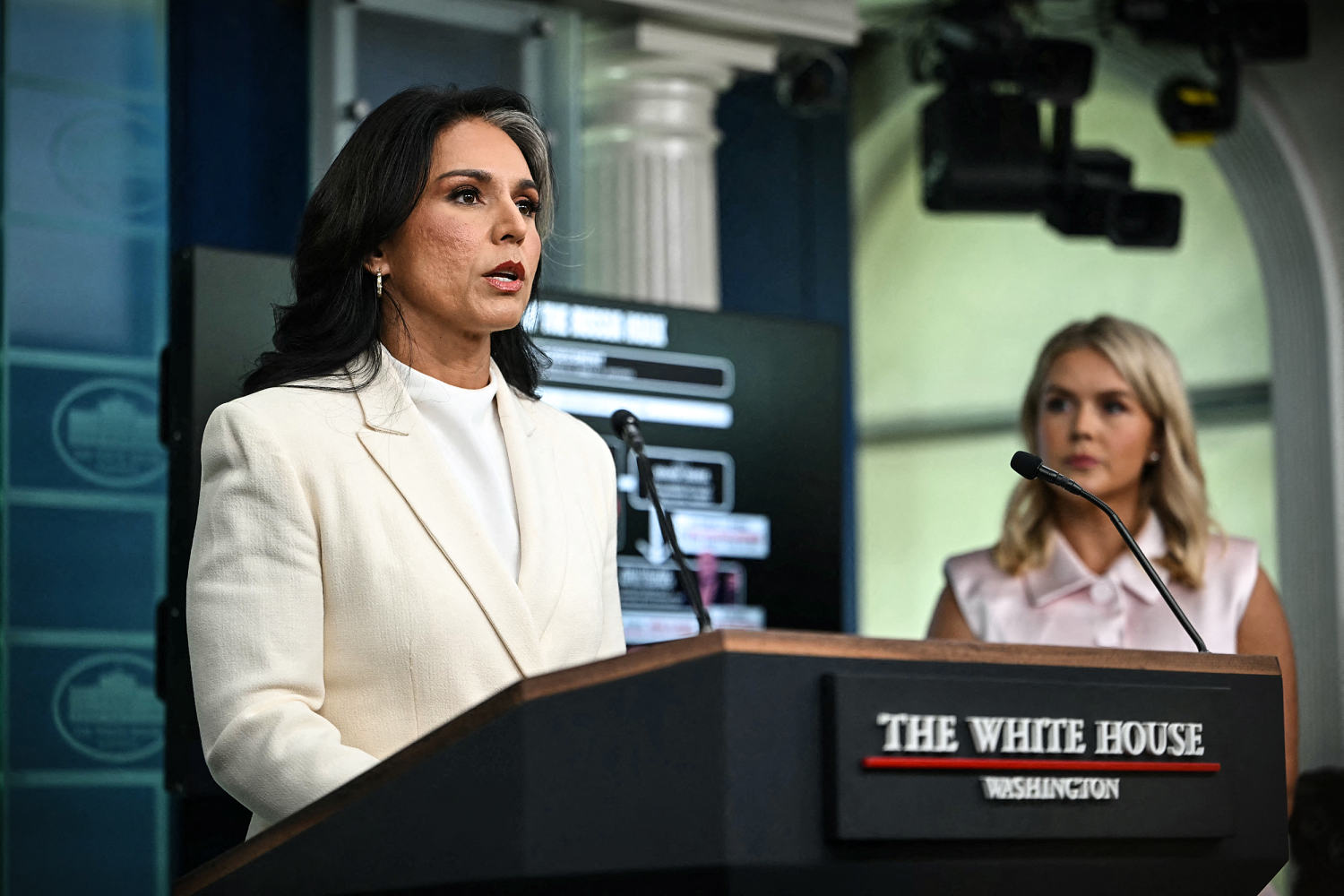
National Intelligence Director Tulsi Gabbard made a bold statement during a White House press briefing, marking a significant shift in the ongoing discussion about the 2016 U.S. presidential election. For the first time, a U.S. intelligence official has accused a former president and his administration of fabricating intelligence to suggest that Russia supported Donald Trump's campaign.
Gabbard claimed there was irrefutable evidence showing that President Barack Obama and his national security team orchestrated the creation of an intelligence assessment they knew to be false. This accusation has sparked a firestorm, with Obama’s team dismissing the claims as baseless and politically motivated. They described the allegations as "ridiculous" and a weak attempt at distraction.
The controversy has intensified amid growing demands from Trump supporters for more information related to the late financier Jeffrey Epstein. However, the intelligence community typically maintains a low public profile and avoids overtly partisan statements. Gabbard, however, ventured into uncharted territory by making such a direct accusation against a former administration.
The Republican House Report
Gabbard recently declassified a five-year-old report from the House Intelligence Committee, which was initially rejected by Democratic lawmakers. The report aimed to challenge the findings of U.S. intelligence agencies regarding Russian interference in the 2016 election. It concluded that most of the 2017 assessment, which indicated Russian efforts to harm Clinton and support Trump, was sound.
However, the report questioned the assertion that Putin wanted Trump to win. It argued that this conclusion was based on a single piece of human intelligence that could be interpreted differently. Some CIA officers reportedly opposed including this judgment due to insufficient evidence.
The Bipartisan Senate Report
In contrast, a bipartisan Senate investigation conducted in 2020 reached a different conclusion. The three-year probe involved over 200 witnesses and examined more than a million documents. It supported the intelligence agencies' assessment that Russia spread disinformation and leaked emails to undermine Clinton and help Trump.
Marco Rubio, now the Secretary of State, was the acting chair of the Intelligence Committee at the time. He and all other members, both Republicans and Democrats, endorsed the report’s findings.
Reopening the Debate
Gabbard’s decision to declassify the Republican report is part of a broader effort by the current administration to reignite the debate over the 2016 election. The intelligence community’s analysis has never fully satisfied either political side. While the Mueller investigation found Russian interference, it did not uncover a criminal conspiracy between the Trump campaign and the Kremlin.
Similarly, John Durham, a special counsel appointed by Trump, did not find evidence of a conspiracy among Obama officials to fabricate intelligence. He also did not charge any CIA officers involved in the 2017 assessment.
Concerns About Sensitive Information
Democrats have raised concerns about the potential risks of declassifying the report. Senator Mark Warner warned that the release could jeopardize sensitive sources and methods used by the intelligence community to monitor Russia. He criticized the administration for withholding information on the Epstein case while releasing partisan reports.
During her briefing, Gabbard detailed Russian intelligence reports on Clinton, including unverified allegations about her behavior and health. She also criticized the inclusion of the unverified Steele dossier in the 2017 assessment.
A Dangerous Rhetorical Line
Rep. Jim Himes called Gabbard’s claims a transparent attempt to divert attention from criticism of the Trump administration. He noted that her accusations against Obama and other officials constitute a dangerous and baseless claim of treason.
As the debate continues, the implications of Gabbard’s statements remain significant. The ongoing discourse highlights the deep divisions within American politics and the challenges of reconciling differing narratives about the 2016 election.

Post a Comment for "Gabbard's Bold Accusation: A President Orchestrated 'Treasonous Conspiracy'"
Post a Comment