Gabbard's Anti-Trump Conspiracy Claims Lack Documented Evidence
Overview of the 2016 Election and Intelligence Community Assessments
The 2016 U.S. presidential election remains one of the most scrutinized events in recent history, with a significant focus on the role of Russian interference. The intelligence community has consistently maintained that Russia sought to influence the outcome of the election through various means, including social media campaigns and the release of hacked materials. These findings have been supported by multiple investigations conducted by both Republican and Democratic-led committees, as well as special counsels and the Department of Justice's inspector general.
Despite these conclusions, some claims have emerged suggesting otherwise. One such claim is that the Obama administration orchestrated a "treasonous conspiracy" to politicize U.S. intelligence and cast doubt on the legitimacy of Donald Trump’s victory. This assertion has been based on newly declassified emails and a classified House report from five years ago. However, upon closer examination, these documents do not support the claim that the intelligence community had a different assessment before and after the election.
Russian Election Interference Claims
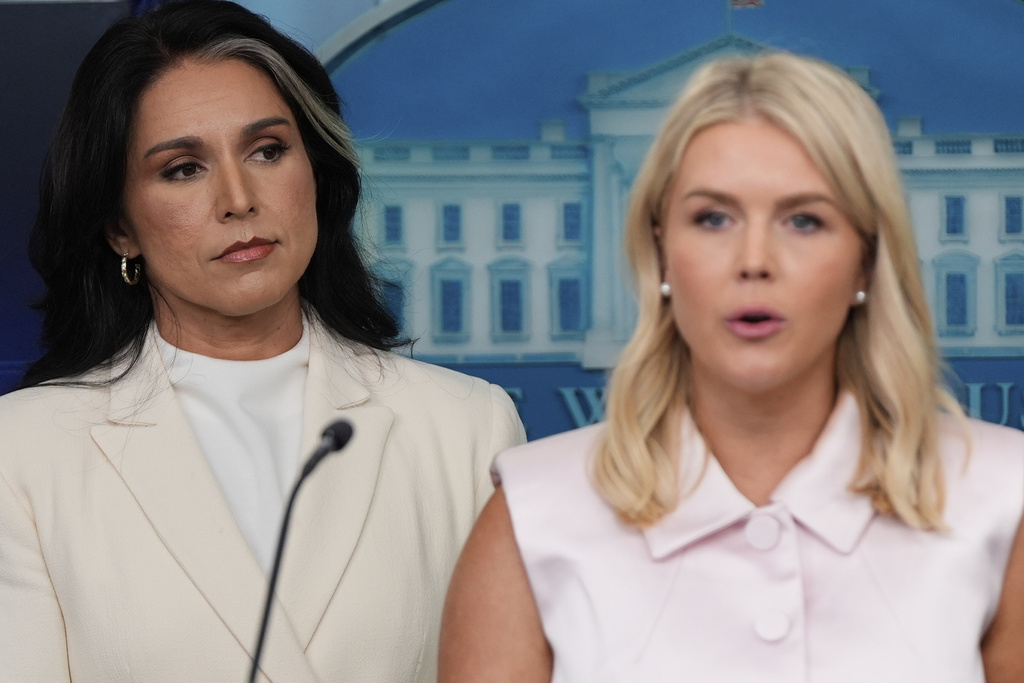
One of the key claims made by Tulsi Gabbard is that the intelligence community initially assessed that Russia did not have the intent or capability to impact the election. She cited emails from 2016 where officials stated there was no indication of a Russian threat to manipulate the vote count. However, it is important to note that the Obama administration never claimed that voting infrastructure was tampered with. Instead, officials emphasized that Russian operatives targeted emails of prominent Democrats, which were later released through WikiLeaks, and launched a covert social media campaign aimed at sowing discord.
These findings have been corroborated by Republican-led investigations, which also affirmed that Russia engaged in an election interference campaign. While some reports criticized the actions of Obama administration officials, particularly within the FBI, they did not dispute the fundamental conclusion that Moscow sought to interfere in the election.
Shift in Assessment?
Gabbard also claimed there was a “180-degree shift” in the intelligence community's assessment from before the election to after President Trump won. However, this assertion does not hold up under scrutiny. The emails she cited show that a Department of Homeland Security official in August 2016 told then-Director of National Intelligence James Clapper that there was “no indication of a Russian threat to directly manipulate the actual vote count.” The public assessment made by the Obama administration in January 2017 echoed this sentiment, stating that the systems targeted by Russian actors were not involved in vote tallying.
Putin’s Intent
Another claim by Gabbard is that the Obama administration manufactured the January 2017 Intelligence Community Assessment, which concluded that Putin wanted to help Trump win the election. According to her, this assessment was based on false information. However, the material declassified this week reveals some dissent within the intelligence community about whether Putin’s intent was to help Trump or simply inflame U.S. public opinion.
This debate led to a partisan divide on the House Intelligence panel when it examined the matter several years later. Gabbard’s memo cites a “whistleblower” who expressed disagreement with the intelligence community's judgment that Russia had a “decisive preference” for Trump. However, such dissent is not unusual in the drafting of intelligence reports. The Republican-led Senate Intelligence Committee found that analysts were free to debate, object to content, and assess confidence levels as part of the normal process.
In 2018, Putin addressed the question of whether he preferred Trump during a press conference in Helsinki. He said, “Yes, I did,” explaining that Trump talked about bringing the U.S.-Russia relationship back to normal. However, he avoided answering whether he directed any of his subordinates to help Trump.
Steele Dossier
Gabbard also claimed that the intelligence community used discredited information like the Steele dossier, which was compiled by former British spy Christopher Steele. The dossier included uncorroborated tips and salacious gossip about Trump’s ties to Russia. While the importance of the dossier to the Russia investigation has sometimes been overstated, it was not the basis for the FBI’s decision to open an investigation into potential coordination between the Trump campaign and Russia.
According to the Justice Department's inspector general, the CIA primarily relied on a human source close to the Kremlin for its conclusion that Putin wanted to help Trump and hurt Clinton. The dossier was not even obtained by FBI agents until weeks into their inquiry. Despite this, Trump supporters have used the unverified innuendo in the document to undermine the broader Russia investigation. Many of Steele’s claims have since been discredited or denied.
It is true, however, that the FBI and Justice Department relied in part on the Steele dossier to obtain surveillance warrants to eavesdrop on the communications of a former Trump campaign adviser. FBI agents continued to pursue those warrants even after questions arose about the credibility of Steele's reporting. The dossier was also summarized—over the objections of then-CIA Director John Brennan—in a two-page annex to the classified version of the intelligence community assessment.

Post a Comment for "Gabbard's Anti-Trump Conspiracy Claims Lack Documented Evidence"
Post a Comment