Gabbard Unveils More Russia Docs, Sparking Intelligence Concerns
New Insights into Intelligence Assessments on 2016 Election
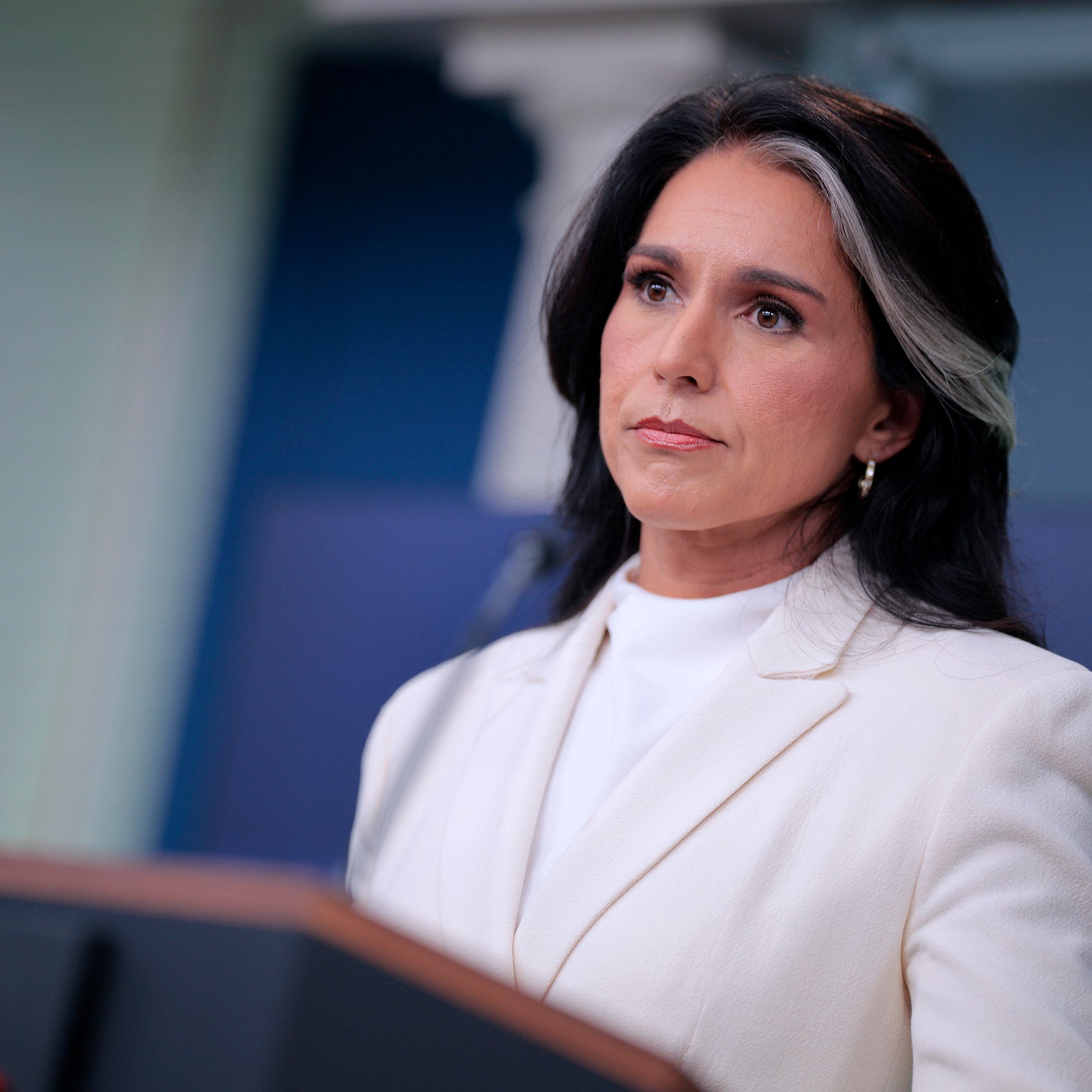
Director of National Intelligence Tulsi Gabbard recently declassified additional materials related to the intelligence community's evaluation of Russia's role in the 2016 election. In a social media post and during a White House press briefing, she claimed that these documents revealed that Obama administration officials had "manufactured" information to undermine then-candidate Donald Trump.
Gabbard stated that the documents showed Obama officials "manufactured the January 2017 Intelligence Community Assessment that they knew was false," promoting the claim that Vladimir Putin and the Russian government helped President Trump win the 2016 election. However, Democrats have disputed her claims, accusing Gabbard of misrepresenting the intelligence findings.
This latest release follows a set of declassified documents released by Gabbard last Friday. In a memo accompanying those documents, she similarly accused Obama administration officials of orchestrating a "years-long coup" against Mr. Trump.
Obama’s spokesperson, Patrick Rodenbush, responded to the first set of materials, calling the allegations "bizarre" and a "weak attempt at distraction." He suggested that the timing of the release might be related to the turmoil in Congress over files related to child sex offender Jeffrey Epstein. Rodenbush also noted that nothing in last week's documents "undercuts the widely accepted conclusion that Russia worked to influence the 2016 presidential election but did not successfully manipulate any votes."
Gabbard also mentioned that it was Mr. Trump who made the decision to declassify the House Republicans' report. The Wednesday release included a declassified report compiled in 2017 and finalized in 2020 by the House Intelligence Committee's Republican majority. According to sources, FBI Director Kash Patel was a lead staffer at the time.
The report focuses on the intelligence community's judgment that Russian president Vladimir Putin aimed to help Mr. Trump win the 2016 election. It includes discussions of raw intelligence provided by a human source to the CIA, as well as Signal intercepts gathered by the National Security Agency, prompting concerns from current and former intelligence officials and condemnation from Democrats about the risks it could pose to sensitive intelligence sources and methods.
Despite these concerns, the report does not fundamentally change previous assessments by the U.S. intelligence community or the multiple reviews that followed. Senate Intelligence Committee Vice Chairman Mark Warner criticized the release, stating that it puts at risk some of the most sensitive sources and methods used by the Intelligence Community. He also warned that the release sends a message to allies and assets around the world that the United States may no longer be trustworthy.
An Office of the Directorate of National Intelligence official noted that the president's ultimate declassification authority means he is not obligated to consult with intelligence agencies about redacting sensitive content in the report.
At the White House briefing, Gabbard accused President Obama of "leading the manufacturing of this intelligence assessment." She told reporters that the documents would be sent to the Justice Department and FBI for investigation of "criminal implications." When asked if she thought Obama was guilty of treason, Gabbard declined to answer directly, stating that criminal charges should be left to the Justice Department.
Gabbard emphasized the need to ensure that the intelligence community is not politicized. She urged people to look at the evidence and determine the truth for themselves.
The House committee's Republican-authored report criticizes the review of the analysis underlying the 2017 Intelligence Community Assessment (ICA) for several reasons, including that its production was rushed to be released before Mr. Trump took office. It also claimed analysts failed to consider plausible alternative explanations for Putin's intentions and questioned whether they sufficiently considered the human source's motivations, proximity to Putin, or bias towards Mr. Trump.
The GOP House committee report highlights a piece of intelligence contained in a report from a human source that it contends was subjected to "questionable interpretation" by analysts. A bullet point in the report notes that a senior CIA operations officer said at the time, "We don't know what was meant by that" and "five people read it five ways."
These findings align with a separate tradecraft review released earlier this month by CIA Director John Ratcliffe, which determined that the confidence level in the assessment that Putin aspired to help Mr. Trump win should have been "moderate" instead of "high," primarily because it was derived from one source instead of multiple. The CIA's report, however, did not include detailed discussion of the sensitive sources or methods involved.
The CIA's own review of the intelligence that informed the finding on Putin's preference confirmed that the clause was accurately represented and that the ICA authors' interpretation of its meaning was most consistent with the raw intelligence. It more broadly found that much of the tradecraft underlying the 2017 assessment was "robust and consistent" with analytic standards.
The CIA has not commented on the report released by Gabbard. Democrats have seized on the timing of the disclosures, noting that the report could have been made at any time during the first Trump administration or since he took office for a second term. They argue that the timing suggests an attempt to distract from other issues.

Post a Comment for "Gabbard Unveils More Russia Docs, Sparking Intelligence Concerns"
Post a Comment