Gabbard Releases Russia Docs to Accuse Obama of Fabricating Intelligence
A New Chapter in the Russia Election Interference Debate
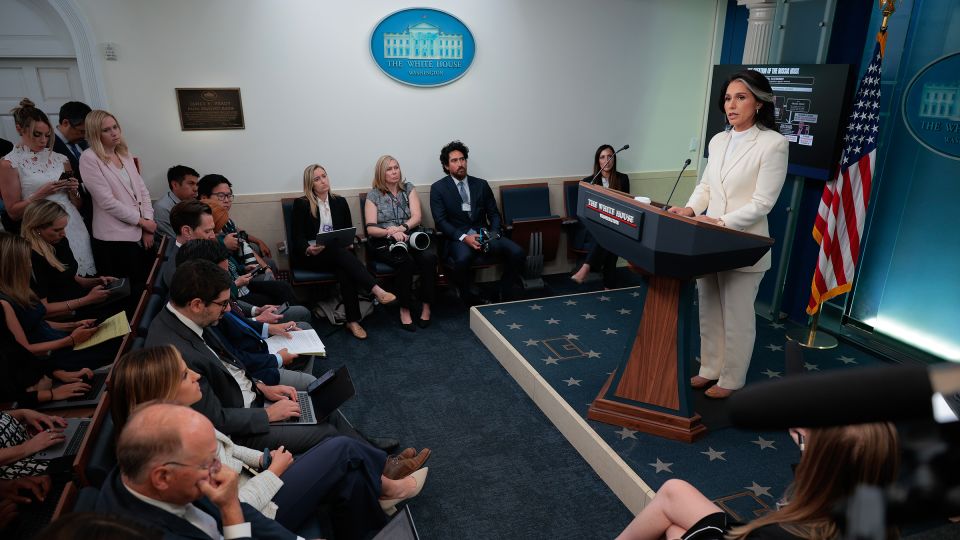
Following a series of intense political developments, the release of a redacted congressional report has reignited the debate over the 2016 election and the intelligence community’s assessment of Russian interference. The report, which was declassified by Director of National Intelligence Tulsi Gabbard, has become a focal point for ongoing discussions about the accuracy of past intelligence assessments and the potential implications for national security.
The Context of the Report
The report, originally drafted during the first term of President Donald Trump, was prepared by Republicans on the House Intelligence Committee. It outlines their perspective on the intelligence assessment that suggested Russia sought to influence the 2016 election in favor of Trump. This report is part of a broader strategy by Gabbard and other Trump allies to challenge the FBI's investigation into Russian election interference and the conclusions drawn by the intelligence community.
Gabbard has not directly accused former President Barack Obama of treason but has pointed to evidence suggesting that the Obama administration may have influenced the assessment. She claims that the report highlights a “treasonous conspiracy” and implies that the intelligence was manipulated to support a narrative that favored Trump.
The Role of the Justice Department
In response to the report, Attorney General Pam Bondi announced the formation of a strike force within the Justice Department to evaluate the evidence and consider potential legal actions. This move underscores the significance of the report and the potential impact it could have on future investigations and legal proceedings.
Challenges to the Intelligence Assessment
Despite Gabbard's claims, the newly released report does not provide concrete evidence that the Obama administration manufactured the assessment. CIA Director John Ratcliffe, who conducted his own review of the intelligence assessment earlier this month, noted that while some aspects of the assessment were questionable, the overall conclusion was defensible.
Ratcliffe's review criticized the confidence level assigned to the judgment that Putin aimed to help Trump win, suggesting that the assessment relied on thin sourcing and lacked sufficient corroboration. However, he did not find any evidence of intentional manipulation or fabrication of the intelligence.
The House Report and Its Implications
The House Intelligence Committee report, which involved highly sensitive information stored in a secure "turducken" at CIA headquarters, took a similar stance on the key judgment regarding Russia's intent. While it acknowledged the assessment had analytical gaps, it did not claim that the findings were fabricated.
This report represents a long-sought victory for Trump and his allies, as it challenges a previous review conducted by the GOP-led Senate Intelligence Committee in 2020, which supported the original assessment. The release of the House report has sparked renewed debates about the reliability of intelligence assessments and the need for transparency.
Concerns from the Intelligence Community
Democrats and intelligence officials have raised concerns about the potential risks associated with releasing the report. They argue that the disclosure could jeopardize sources and methods used by the intelligence community to monitor Russia. Sen. Mark Warner expressed alarm over the release, warning that it could send a chilling message to U.S. allies and assets around the world.
Additionally, there are fears that unredacted portions of the report could reveal sensitive information about how intelligence was collected, potentially endangering sources. A former senior intelligence official highlighted the risks, stating that the material could alert Moscow to U.S. surveillance tactics and lead to sources going dark.
Historical Background and Ongoing Controversies
The House Intelligence Committee report has been a topic of discussion for years, with Trump and his allies pushing for its release. The sensitivity of the information led to strict measures, including the use of a secure safe known as the "turducken" for storing the documents. Despite these precautions, the full extent of the report remains unclear, and there are questions about whether all the classified information was properly redacted before release.
The report includes details about the intelligence sources used in the 2017 assessment, including human intelligence reports and signals intelligence. These elements have raised concerns about the potential exposure of sensitive operations and the safety of informants.
Conclusion
The release of the redacted report has brought to light new perspectives on the 2016 election and the intelligence community's role in assessing Russian interference. While the report provides valuable insights, it also raises important questions about the integrity of intelligence assessments and the need for careful handling of sensitive information. As the debate continues, the implications for national security and public trust remain significant.

Post a Comment for "Gabbard Releases Russia Docs to Accuse Obama of Fabricating Intelligence"
Post a Comment