Frozen Muffin Batter: A Busy Morning Time-Saver That Keeps You Cool
The Secret to Stress-Free Muffin Baking
There’s something undeniably comforting about the smell of fresh muffins in the morning. However, the reality of cleaning up a sink full of sticky, batter-coated dishes can quickly dampen that joy. For those who are short on time or just want to avoid the mess, there's a clever solution: freezing your muffin batter ahead of time. This method not only saves you from the hassle of washing dishes but also gives you the flexibility to bake exactly what you need, when you need it.
How to Freeze Muffin Batter
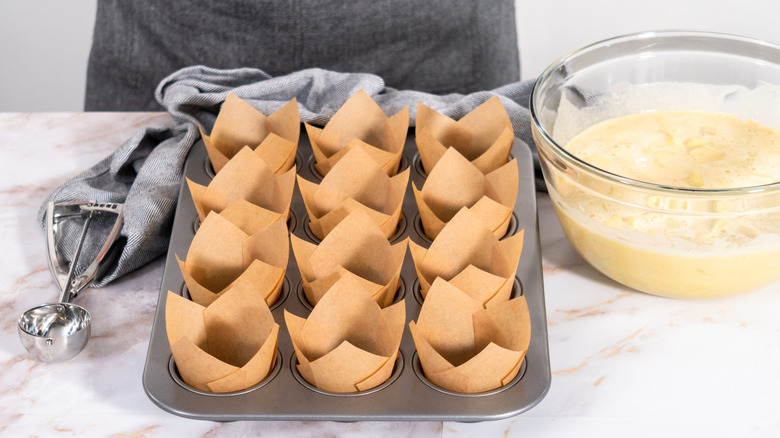
The process is simple and straightforward. Start by placing parchment paper liners into each cup of your muffin pan. Then, carefully scoop or spoon your muffin batter into the lined cups. Once the pan is filled, place it directly into the freezer and let it sit overnight. By the next morning, the batter will be frozen solid, making it easy to remove each cup and store them in airtight freezer bags. This way, you can keep your muffin batter for up to three to four weeks, ready to use whenever the craving hits.
When you're ready to bake, simply preheat your oven and add an extra five minutes to your usual baking time. Keep an eye on the muffins with a toothpick to check for doneness. If you’re baking just one or two muffins, this method is especially convenient, as it eliminates the need to clean up after a full batch.
Adjusting Your Recipe for Freezing
While freezing muffin batter is a great time-saver, it does require some adjustments to ensure the best results. One key factor to consider is the leaveners in your recipe—baking soda and baking powder. These ingredients help the batter rise during baking. When working with frozen batter, it's beneficial to increase the amount of baking powder to one tablespoon. This helps aerate the batter and ensures even rising, which is crucial when starting from a frozen state.
Baking soda, on the other hand, can remain at the original measurement since it primarily contributes to browning rather than rising. Additionally, sugar plays an important role in retaining moisture, especially when the batter is stored in a dry freezer environment. Make sure to follow your recipe’s sugar measurements and consider adding a little extra if desired to keep the muffins moist after freezing.
Another adjustment to consider is the type of fat used in your recipe. If your muffin batter calls for butter, it may be better to substitute it with oil instead. Vegetable oil, olive oil, avocado oil, or coconut oil can help maintain the moisture content of the muffins, preventing them from becoming dry when baked from frozen.
Benefits of Freezing Muffin Batter
By freezing your muffin batter, you can enjoy the convenience of having freshly baked muffins without the hassle of washing dishes. This method is ideal for busy mornings when you want to start the day with a warm, homemade treat. Plus, it allows you to plan ahead and bake only what you need, reducing food waste and saving time in the long run.
Whether you're a seasoned baker or just looking for a quick and easy way to enjoy muffins, freezing your batter is a game-changer. With a few simple adjustments, you can achieve perfectly risen, moist muffins every time—no matter how early you wake up.

Post a Comment for "Frozen Muffin Batter: A Busy Morning Time-Saver That Keeps You Cool"
Post a Comment