From Probiotics to Squatty Potties, Millennials Redefine Bathroom Habits
Why Millennials Are Leading the Way in Gut Health Awareness
A recent survey has revealed that millennials are taking a proactive approach to their gut health, making more doctor visits, adopting dietary changes, and using supplements compared to other generations. This trend may be linked to higher rates of digestive issues, increased stress levels, and a greater openness about discussing health concerns on social media.
According to the findings, individuals aged 29 to 44 are more likely than other age groups to take supplements, make dietary adjustments, and invest in toilet accessories to support digestive wellness. The data also shows that 55% of millennials have visited a doctor for digestive issues, which is significantly higher than Gen X (42%), Gen Z (39%), and boomers (29%).
Experts suggest that these behaviors could be influenced by both medical and cultural factors. Many millennials are dealing with serious digestive conditions, such as gastritis and irritable bowel syndrome (IBS), with 49% reporting a diagnosis—7% more than Gen X and boomers and 19% more than Gen Z. However, shifting attitudes around open conversations about gut health may also play a role in this heightened awareness.
Understanding the Causes Behind the Focus on Gut Health
One reason millennials might be more attentive to their digestive health is their desire to feel better. Nearly half of them report having received a digestive-related diagnosis, which is higher than younger and older generations. Gastritis, which affects about 24%, and IBS, reported by 22%, are among the most common conditions.
Additionally, 40% of millennials experience symptoms from at least one of their diagnoses each month, compared to just a quarter of Gen Z and Gen X and 13% of boomers. Wendi LeBrett, MD, a gastroenterologist known for her online content, has observed similar trends among her patients. She notes that as people age, they tend to face more digestive issues, which may explain the differences between Gen Z and millennials.
Stress is another significant factor. Millennials often juggle multiple life responsibilities, such as career demands, homeownership, and family care, all of which can contribute to digestive problems like IBS. In contrast, older generations may be less inclined to discuss or seek treatment for their symptoms, according to Olufemi Kassim, MD, a gastroenterologist who works with older patients.
Social media has also played a role in increasing openness about digestive health. Younger generations are more willing to talk about their experiences, which may encourage them to seek help when needed.
Supplements: A Common but Not Always Effective Solution
Many millennials turn to supplements as a first line of defense for digestive issues. According to the survey, 65% of them take vitamins, probiotics, or fiber supplements. While this rate is similar to Gen X, it’s higher than Gen Z (60%) and boomers (55%).
However, experts caution that supplements may not always be effective unless there is a specific medical need, such as a nutritional deficiency. Probiotics, for example, are often overhyped, with many believing they offer a “magic pill” solution. While research supports their use in certain cases, such as treating pouchitis or preventing antibiotic-induced diarrhea, there is limited evidence for general digestive support.
Fiber supplements, particularly those made from psyllium husk, have stronger scientific backing. They can help regulate bowel movements, stabilize blood sugar, and ease IBS symptoms. Adults should aim for 22 to 34 grams of fiber daily, and supplementing may be helpful if dietary intake is insufficient.
Diet Plays a Key Role in Gut Health
Food is considered the foundation of gut health, and the survey found that nearly as many millennials who take supplements also focus on managing their diets. This includes avoiding certain foods, seeking out others, and following specific diets like gluten-free or low-FODMAP.
Olufemi Kassim, MD, recommends that most adults could benefit from simple dietary changes, such as increasing fiber intake, drinking more water, and avoiding acidic foods if prone to acid reflux. However, she warns against jumping on trendy or restrictive diets without a clear medical reason.
“Cutting out entire food groups without a true medical necessity can lead to nutrient deficiencies,” she said. If someone has concerns about their diet, consulting a primary care physician is advised.
Toilet Accessories and Digital Tools for Better Digestive Health
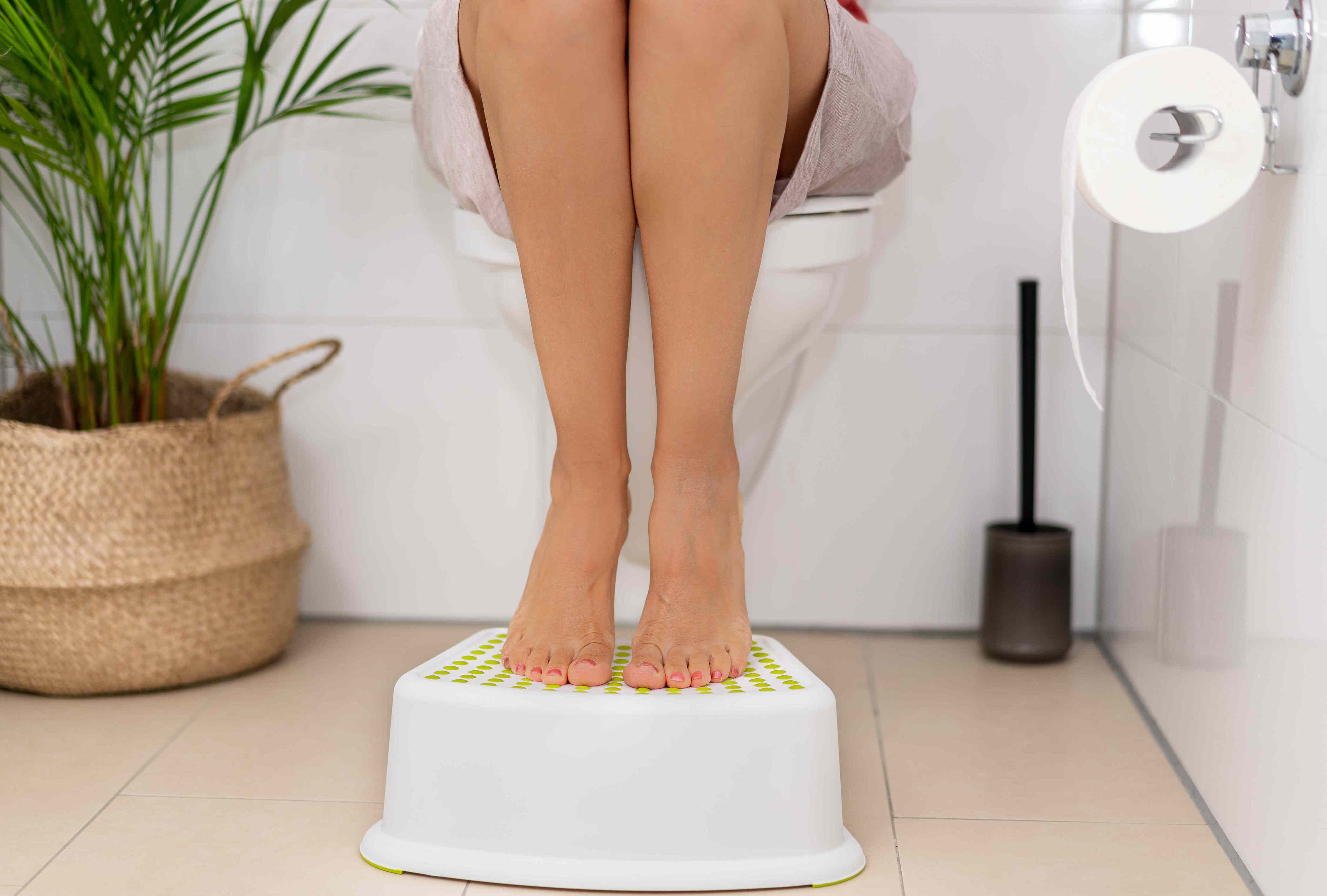
Millennials are also investing in toilet technology, with more than two-thirds owning items like flushable wipes, Squatty Potties, bidets, or seat warmers. Experts see this as a positive step toward improving digestive comfort.
LeBrett praised the Squatty Potty, which helps users achieve a more natural squatting position, potentially easing constipation and hemorrhoids. Kassim highlighted the benefits of bidets for those with rectal irritation or hemorrhoids, noting that they provide a gentler cleaning method.
Additionally, 15% of millennials have used an app to track their bowel movements, compared to 10% of Gen Z and just 1% of boomers. Tracking symptoms can help identify patterns and potential triggers, such as specific foods causing digestive discomfort.
Regular Doctor Visits Are a Priority
Millennials are more likely to visit the doctor when digestive issues arise, a trend that experts view positively. Increased awareness of gut health and growing concerns about early-onset colorectal cancer may contribute to this behavior.
While not every symptom is a sign of cancer, Kassim emphasizes the importance of seeking medical attention if concerns arise. “It’s always worth getting checked,” she said. “Don’t feel embarrassed or ashamed.”
Millennials, as the social media generation, have been instrumental in encouraging open discussions about health and empowering people to seek care. Their proactive approach to gut health may serve as a model for future generations.

Post a Comment for "From Probiotics to Squatty Potties, Millennials Redefine Bathroom Habits"
Post a Comment