From Economic Stress to Stitched Nostalgia: Millennials Embrace Their Grandmother's Style
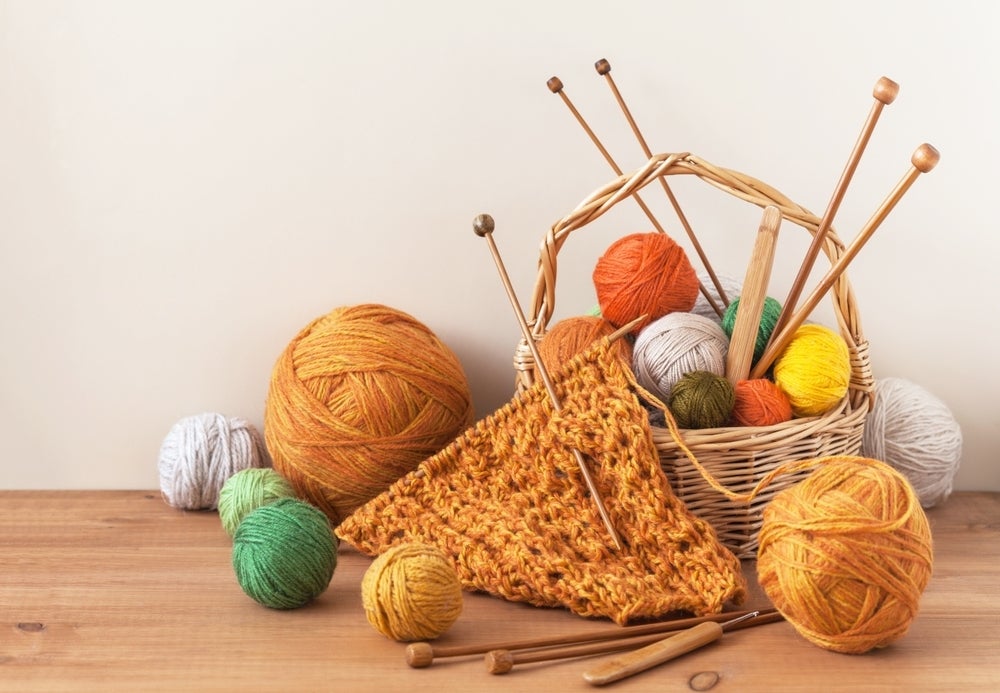
The Rise of "Granny Hobbies" Among Millennials
When the last Joann Fabrics stores closed in May, it wasn’t just a retail loss—it became a cultural moment. Social media was flooded with posts from millennials expressing a sense of loss over the closure of these craft stores. This reaction was unexpected because traditional hobbies like knitting and quilting are often associated with older generations. Yet, in today’s world of economic uncertainty, many young adults are turning to these slow, hands-on activities as a way to cope.
This shift is more than just nostalgia; it reflects a growing trend among millennials who are seeking stability in an unpredictable world. With financial stress on the rise, many are finding solace in what some call “granny hobbies.” These activities offer a break from the fast-paced hustle of modern life and provide a sense of control that is often missing in the stock market or job market.
Financial Stress and the Search for Stability
Millennials are facing significant financial challenges. A Bankrate survey found that 79% of millennials don’t feel financially secure, with rising living costs and volatile markets contributing to widespread anxiety. In response, many are turning to hobbies that offer both low-cost entertainment and tangible rewards.
One such person is Kyle Williams, a Florida realtor who found an unexpected escape in gardening. After years of dealing with the pressures of his career and the economic instability of recent years, he turned to tending plants. “Gardening lets me focus on something tangible,” he said. “It's the opposite of watching stock charts all day.”
Williams isn’t alone in this shift. Many millennials are embracing hobbies that offer a sense of accomplishment without the high cost of traditional leisure activities. Whether it’s baking, knitting, or canning, these activities not only provide a creative outlet but also offer practical benefits, such as reducing grocery bills or saving money on repairs.
The Pandemic and the Resurgence of Domestic Hobbies
The pandemic played a key role in bringing domestic hobbies back into the spotlight. As people were confined to their homes, many turned to activities like gardening, baking, and crafting. According to the National Gardening Association, there were 18.3 million new gardeners in 2021, most of whom were millennials.
Etsy data also shows a surge in interest in traditional crafts. Sales Samurai reported a 350% increase in searches for quilt fabric and a 100% increase in searches for knitting in 2022. This trend has continued beyond the pandemic, suggesting that these hobbies have become more than just a temporary distraction—they’re now a part of everyday life for many.
Affordability and Practical Benefits
One reason these hobbies are so appealing is their affordability. Unlike luxury purchases or expensive nights out, activities like embroidery, baking, or canning require minimal upfront investment. For those looking to cut costs, growing vegetables or mending clothes can also lead to long-term savings, especially in times of inflation and tariff uncertainty.
These practical benefits make granny hobbies more than just a pastime—they’re a smart financial move. By investing time and effort into these activities, millennials can reduce expenses while also gaining a sense of accomplishment.
The Role of Social Media
Social media has played a big role in amplifying the popularity of these hobbies. Kyle Williams’ Instagram post about skipping the midlife crisis and jumping straight into gardening went viral, receiving over 1.2 million likes. Many millennials shared their own experiences, with comments like “Why did we all collectively go from in the club getting tipsy and then straight to gardening though, an entire generation?”
However, not everyone is happy. Some expressed frustration that even their newfound hobbies are becoming expensive. “The granny hobbies hit different, but gardening is becoming expensive and this economy won't even let me have my granny habits in peace,” one user wrote.
Mental Health Benefits
Beyond the financial and practical advantages, these hobbies also offer significant mental health benefits. Engaging in activities like knitting or gardening can reduce stress and improve overall well-being. Studies show that these activities can lower cortisol levels, helping individuals manage anxiety and avoid doomscrolling.
Emma Palmer-Cooper, a UK-based research psychologist, explains that when people are fully engaged in a creative task, they enter a state of “flow,” where they focus entirely on the present moment. This can lead to greater life satisfaction and productivity, making these hobbies not just a way to pass the time, but a powerful tool for resilience.
Conclusion
As millennials navigate an uncertain economic landscape, the appeal of “granny hobbies” continues to grow. From gardening to quilting, these activities offer a sense of control, affordability, and mental relief. Whether it’s through the joy of creating something with your hands or the practical benefits of saving money, these hobbies are proving to be more than just a trend—they’re a meaningful response to the challenges of modern life.

Post a Comment for "From Economic Stress to Stitched Nostalgia: Millennials Embrace Their Grandmother's Style"
Post a Comment