From Chipmunks to Lonely Island: The Unexpected Rise of Novelty Music
The Unlikely Legacy of Novelty Music
When it comes to music genres, few are as dismissed as novelty music. While disco may have had its moment in the spotlight, it's often remembered with a mix of nostalgia and regret. In contrast, novelty songs—defined as comical or nonsensical tunes—are frequently seen as lightweight entertainment, lacking the depth and artistic merit of more serious musical works. However, their influence on popular music is often overlooked, despite their ability to capture the imagination and even achieve chart-topping success.
One example of this is Chuck Berry’s highest-charting single, “My Ding-a-ling,” which reached number one in 1972. This song, filled with innuendo, was far from his more celebrated hits like “Johnny B. Goode.” Similarly, Rush’s highest-charting single, “New World Man,” peaked at No. 21, while lead singer Geddy Lee’s contribution to the Bob & Doug McKenzie single “Take Off” reached No. 16. Even the early days of rap/metal saw novelty elements, such as Anthrax’s “I’m the Man” from 1987.
Despite being relegated to the periphery of the music world, novelty songs have a long and storied history that deserves recognition.
From Chipmunks to a Crazed Squirrel: The Golden Age of Novelty Songs (1958-1985)
The roots of novelty music can be traced back to Tin Pan Alley, a hub for music publishers and songwriters in New York City during the late 19th century. Early examples include “Yes! We Have No Bananas” and “I Wanna Be Loved By You,” made famous by Helen Kane, who inspired Betty Boop. The 1940s and early 1950s saw an increase in the popularity of novelty songs, with hits like Spike Jones’ “Der Fuehrer’s Face” and Patti Page’s “(How Much Is That) Doggie in the Window.”
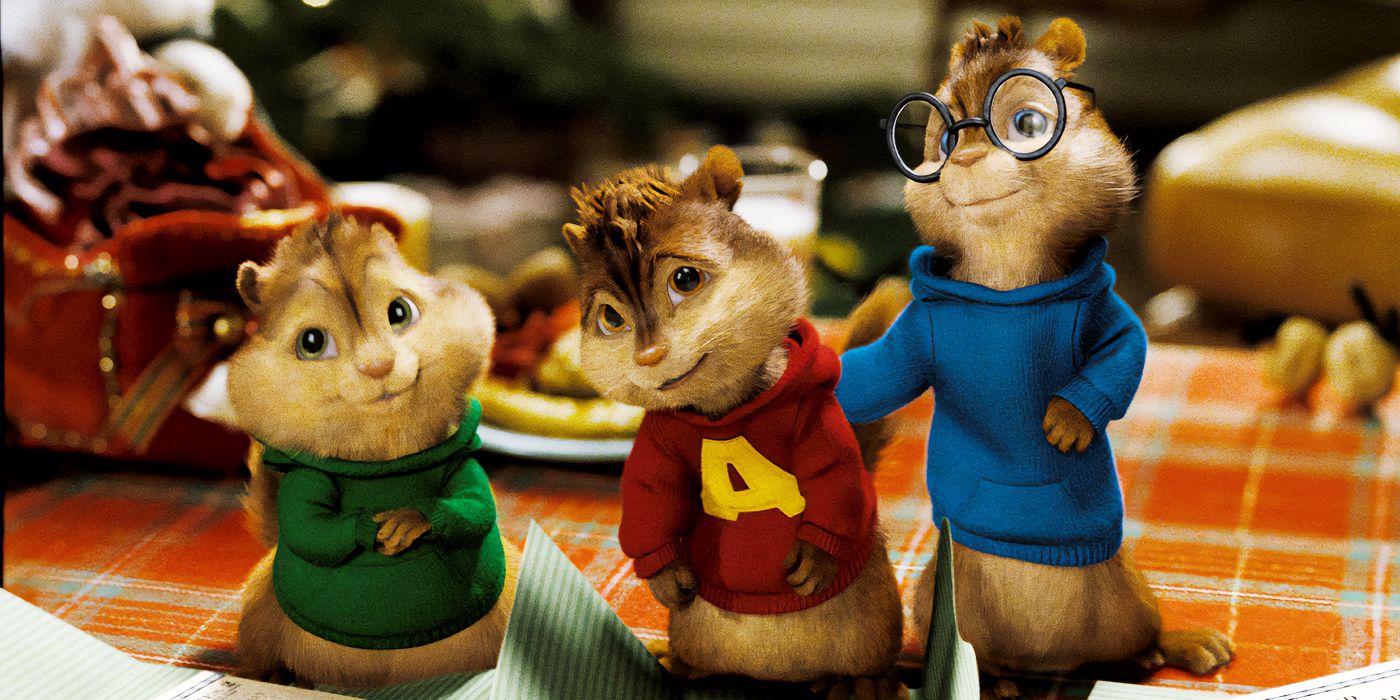
The year 1958 marked the beginning of the genre’s Golden Age. It started with The Royal Teens’ “Short Shorts,” a catchy but lyrically simple tune. Other highlights included Bobby Darin’s “Splish Splash,” The Coasters’ “Yakety Yak,” and Sheb Wooley’s “The Purple People Eater,” both reaching number one. But the most significant figure of this era was Ross Bagdasarian, also known as David Seville. His creation of the Chipmunks, using a unique vocal technique, led to the hit “Witch Doctor,” which spent three weeks at number one. The success of “The Chipmunk Song (Christmas Don’t Be Late)” in 1958 launched a sub-genre of Christmas novelty songs, including “Grandma Got Run Over by a Reindeer” and “The Season’s Upon Us.”
Throughout the 1960s and 1970s, novelty songs remained a staple on the Billboard charts. Hits like “Monster Mash,” “Hello Muddah, Hello Faddah,” and Johnny Cash’s “A Boy Named Sue” showcased the genre’s versatility. Ray Stevens, known for “The Streak,” also contributed with “Ahab the Arab” and later “Mississippi Squirrel Revival,” marking the end of the Golden Age in 1985.
There's Something "Weird" On: The Rise of MTV
The Golden Age of novelty songs came to an end with Rick Dees and his Cast of Idiots’ “Disco Duck” in 1976. While some novelty songs continued to appear on the charts, they never regained the same level of success. However, the genre found new life in the 1980s with the rise of MTV. Launched in 1981, the network initially aired videos like “Fish Heads” by Barnes & Barnes and Billy Connolly’s “In the Brownies.” These early videos helped establish a platform for novelty music, leading to the emergence of artists like “Weird Al” Yankovic.
“Weird Al” became synonymous with the genre, parodies of popular songs that captured the spirit of the times. His early hits, such as “Ricky” and “Eat It,” gained widespread attention and helped define the second Golden Age of novelty music. Despite changes in the industry, “Weird Al” continued to thrive, with albums like “Mandatory Fun” achieving commercial success.
A Viral Pox, a Fox, and a D**k In a Box: The YouTube Era
The rise of YouTube in 2005 provided a new platform for novelty music. The Lonely Island’s “Lazy Sunday” and “D**k in a Box” became viral sensations, showcasing the genre’s potential in the digital age. The success of these videos paved the way for other novelty songs, such as Ylvis’ “The Fox (What Does the Fox Say?),” which amassed over 120 million views. Perhaps the most iconic example is Pinkfong’s “Baby Shark,” which has accumulated over 10 billion YouTube views.
These examples prove that novelty music, though often overlooked, continues to resonate with audiences. Its legacy, from the Chipmunks to the digital age, demonstrates that humor and creativity can leave a lasting impact on the music world.

Post a Comment for "From Chipmunks to Lonely Island: The Unexpected Rise of Novelty Music"
Post a Comment