Fortress Russia, Fragile Peace: Dr. Retish Warns of Article 5's False Security After Trump-Putin Summit
The Complex Dynamics of Ukraine’s Security and NATO
A recent high-stakes meeting in Alaska has placed Ukraine in a precarious position, as it navigates the delicate balance between seeking security assurances and avoiding full NATO membership. This compromise aims to address concerns from both Moscow and the West, but it raises significant questions about the future of Ukraine’s sovereignty and its relationship with international alliances.
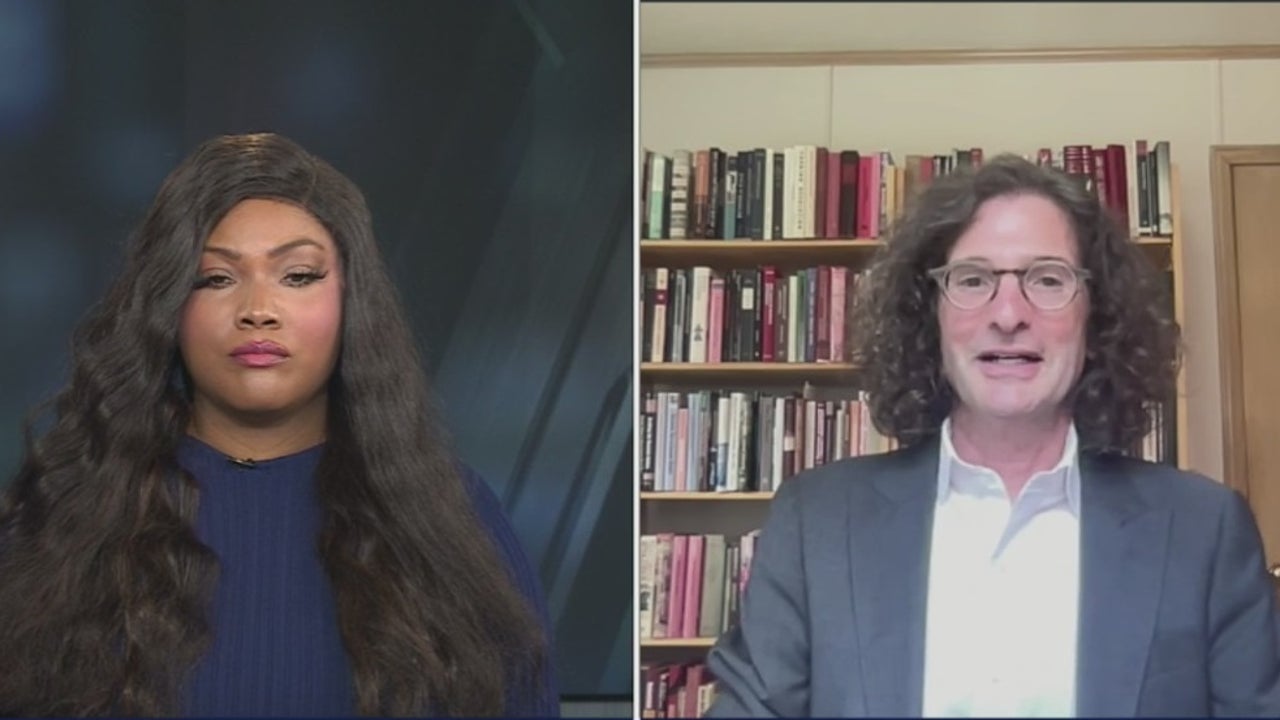
Dr. Aaron Retish, an expert in late Imperial and Soviet history at Wayne State University, discussed the challenges facing Ukraine with Hilary Golston. He emphasized that for Russia, Ukraine cannot be part of NATO. "For the Kremlin, this was one of the key reasons why it invaded," he explained. "Putin sees the West encroaching upon Russia, and Ukrainian entry into NATO would just be further encroachment into Russian sovereignty." This situation reflects an attempt by the West to provide security guarantees while also trying to appease Russia.
NATO itself is undergoing a transformation, according to Dr. Retish. "NATO is in a time of flux, where the United States is clearly trying to diminish its role in Western Europe and look towards the east," he said. He pointed out that neither Donald Trump nor Vladimir Putin strongly believe in international law or the specifics of these collective agreements. This lack of commitment from key players complicates the alliance's ability to provide consistent support to member states.
There are parallels between Ukraine’s current situation and the Cold War-era Finland, which maintained its sovereignty while being heavily influenced by Moscow. Dr. Retish suggested that Russia might attempt to push for a pro-Russian candidate in Ukraine, potentially leading to the removal of President Zelenskyy. This scenario highlights a broader issue that Putin raised at the summit: the root causes of the war in Ukraine, which revolve around the very existence of an independent Ukraine.
Despite these challenges, Dr. Retish warned of potential resistance from European countries against Russian cultural and political incursions. While Russia has managed to defy expectations economically, the country's resilience is not without strain. "We have been surprised by this fortress Russia," he said. "They’ve been able to continue to have a viable economy for the past three years even with strong sanctions."
This economic survival is attributed to both the state and a thriving grey market where people and the government work together to circumvent sanctions. However, signs of strain are becoming evident. "Interest rates are going up in Russia, which is one of the signs there might be some destabilization," Dr. Retish noted. The Russian economy is operating on full wartime mobilization, with the state injecting cash to sustain it.
Russia has turned to buyers like China and India to offset Western restrictions. Dr. Retish suggested that stronger sanctions could involve targeting Russian banks, pressuring Beijing, or imposing tariffs on Indian energy imports. However, he cautioned that economic sanctions take years to show results. "We’re playing a waiting game," he said.
Despite its isolation, Russia is not entirely cut off from the global community. Travel between Russia and the West has become increasingly difficult, but Dr. Retish believes Putin may seek concessions to reenter the global order. These could include opening Arctic mineral markets, pledging not to interfere in Ukrainian politics, or even territorial withdrawals.
The implications of Russia's actions extend beyond Ukraine. "Russia’s invasion of Ukraine showed that national sovereignty can be violated and with success for the invading forces," Dr. Retish said. "That shows it can happen in China with Taiwan. Clearly there’s now precedent, and we should be worried about that." This development underscores the need for vigilance and proactive measures to protect global stability.

Post a Comment for "Fortress Russia, Fragile Peace: Dr. Retish Warns of Article 5's False Security After Trump-Putin Summit"
Post a Comment