Fort Stewart Shooting Sparks Debate on Military Gun Rules
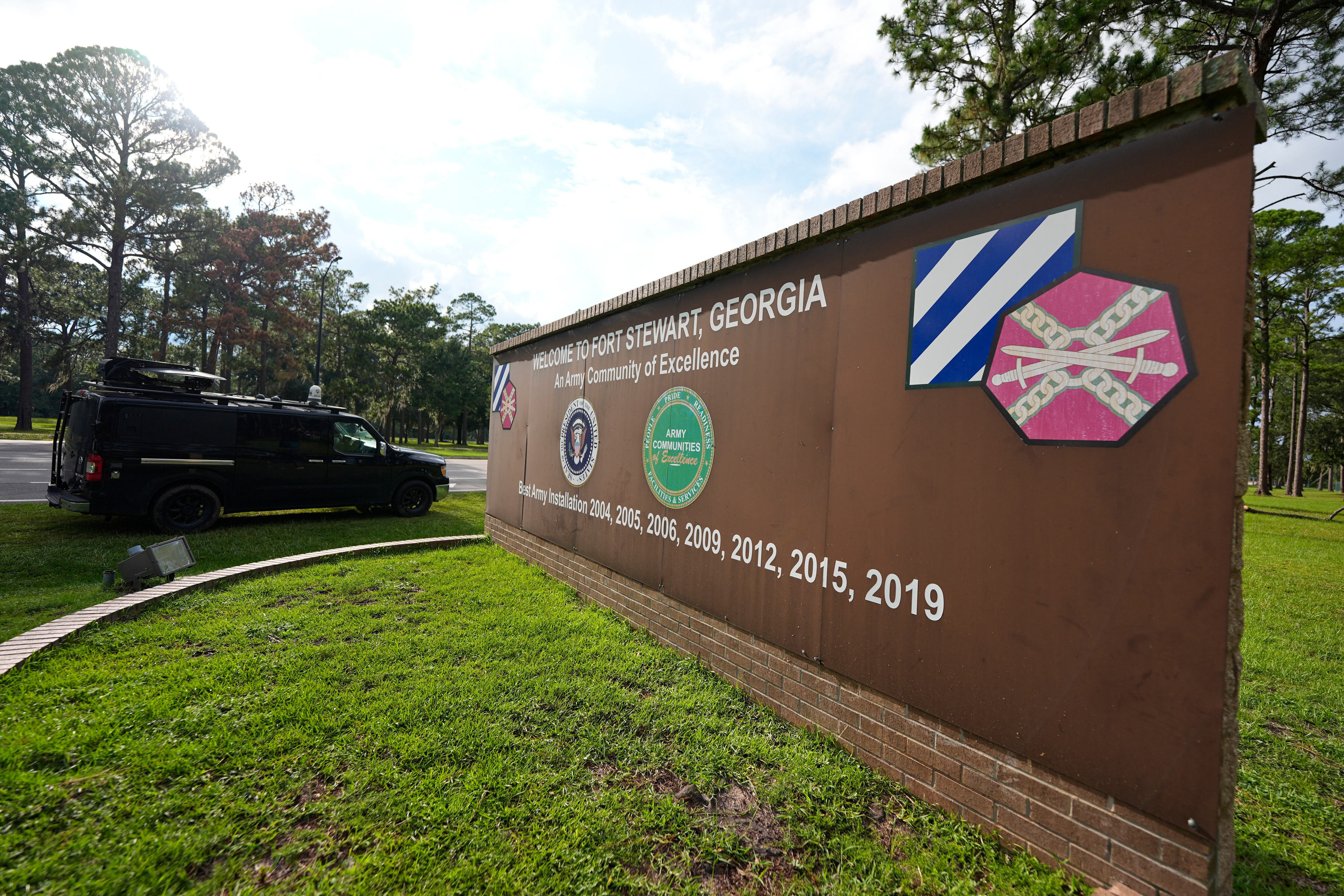
Military Base Shooting Sparks Debate Over Gun Policies
A recent shooting at Fort Stewart in Georgia, which left five soldiers injured, has reignited discussions about the long-standing military policy that restricts service members from carrying personal weapons on military installations. The incident has raised questions about the effectiveness of current regulations and whether they adequately address safety concerns on bases.
During the event, witnesses reported that soldiers quickly tackled the suspect, logistics Sgt. Quornelius Radford, before law enforcement arrived. However, they did not have access to firearms because of a policy that dates back several decades. This policy aims to ensure safety by limiting armed personnel on base to military police. Radford used a personal weapon during the attack, highlighting the discrepancy between the weapons available to service members and those used by the shooter.
The shooting has sparked online debates, with some questioning why soldiers didn’t use their own weapons to defend themselves. Others are concerned about whether existing regulations do enough to prevent such incidents. The event is part of a growing trend of violent occurrences at American military installations, some of which have resulted in multiple casualties.
Department of Defense Policy on Firearms
The Department of Defense has maintained a strict policy for decades regarding the carrying of personal weapons on military bases. According to this policy, military personnel are prohibited from carrying personal firearms without permission from a senior commander. There are also strict guidelines on how these weapons must be stored.
Typically, service members must formally check out their guns from secure storage to use them in designated areas like hunting grounds or shooting ranges. After use, they must return the firearms promptly. Military police are usually the only armed personnel on base, except in specific locations such as shooting ranges or during training exercises.
This federal policy leaves little room for local commanders to exercise discretion in its enforcement. As a result, even in states like Georgia, known for having some of the most lenient gun laws in the country, the regulation applies uniformly.
Designed for Security
Experts argue that the strict firearm policies on military bases exist for critical security reasons. Robert Capovilla, a military law partner, emphasizes the importance of maintaining heightened security at installations involved in top-secret operations. He notes that the presence of personal weapons on base could pose significant risks.
Capovilla, who has visited numerous military installations across North America, highlights the constant visible presence of armed military police. He believes that even if service members had been armed during the Fort Stewart incident, it might not have prevented the shooting.
Limitations in Gun Regulation
While firearms on military bases are more regulated than in many states, there are still limitations that mirror broader gun policy debates. Eric Carpenter, a former military prosecutor, points out that service members retain their Second Amendment rights outside of military situations.
Carpenter explains that a senior commander cannot regulate gun ownership off-base, making it possible for service members to bring weapons onto the installation. Additionally, there is limited legal authority for leadership to confiscate a gun if a service member shows signs of mental health issues or PTSD, which could pose a threat to themselves or others.
Recent mass shootings have drawn attention to these gaps in policy, with experts noting that existing rules may not prevent individuals from committing acts of violence.
Ongoing Challenges and Future Considerations
The Fort Stewart shooting has underscored the complexities of balancing security and individual rights on military bases. While the current policies aim to protect national security, they also raise concerns about the ability of service members to defend themselves in emergencies.
As the debate continues, military leaders and lawmakers may need to revisit these regulations to ensure they are both effective and adaptable to modern threats. The incident serves as a reminder of the ongoing challenges in maintaining safety while respecting the rights of those serving in the armed forces.

Post a Comment for "Fort Stewart Shooting Sparks Debate on Military Gun Rules"
Post a Comment