Former Surgeon General: Opioid Crisis Requires Stronger Policies and Better Reversal Tactics
The Opioid Crisis and the Need for Sustained Efforts
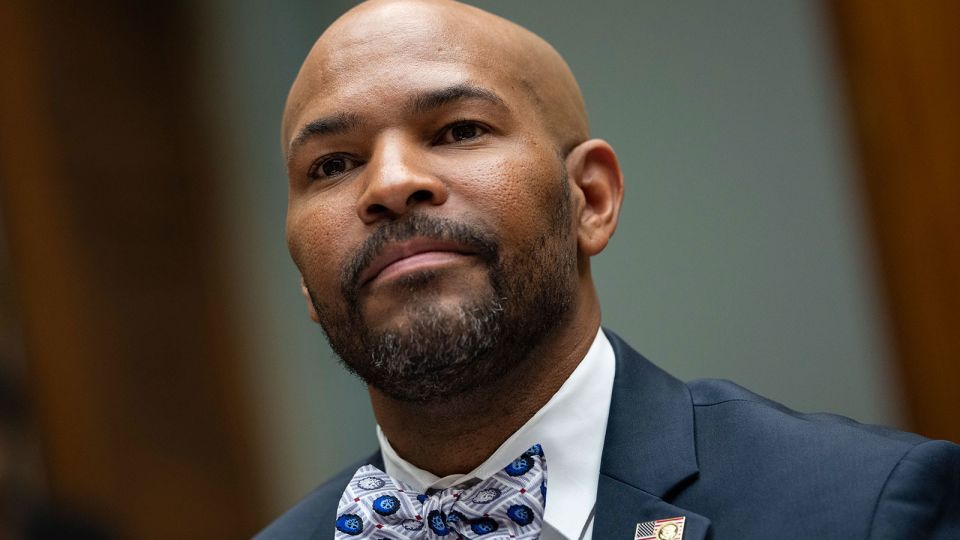
The opioid crisis in the United States remains a pressing public health issue, with synthetic opioids like fentanyl continuing to drive overdose deaths. Recent developments, including proposed budget cuts to critical health agencies, have raised concerns about the future of efforts aimed at combating this epidemic. Dr. Jerome Adams, a former U.S. Surgeon General and current professor at Purdue University, highlights the importance of maintaining funding for programs that support treatment and prevention.
Medicaid plays a crucial role in addressing opioid use disorder by providing treatment for approximately 1 million individuals. However, recent legislative changes, such as the One Big Beautiful Bill Act, could reduce coverage for millions, potentially reversing years of progress. This is especially concerning given that drug overdose deaths, while down in 2024, still exceeded 80,000 cases, with synthetic opioids involved in over half of these fatalities.
The Role of Synthetic Opioids
High-potency synthetic opioids (HPSOs) like fentanyl are significantly more potent than traditional opioids, making them particularly dangerous. Fentanyl can cause rapid respiratory arrest within minutes, often requiring multiple doses of naloxone to reverse an overdose. First responders frequently encounter situations where standard reversal agents are not sufficient, underscoring the need for more effective alternatives.
A recent analysis by Dr. Mark Gold and colleagues explores the challenges of reversing HPSO overdoses. They emphasize the importance of matching reversal agents to the potency and duration of the opioid involved. Nasal nalmefene has emerged as a promising option due to its rapid onset and longer duration compared to naloxone, the standard reversal drug. However, medical organizations caution against using nalmefene as a primary agent due to potential risks like prolonged withdrawal symptoms or the return of respiratory depression.
Advancements in Overdose Reversal
Despite these concerns, the development of new reversal agents like nalmefene highlights the critical need for sustained research funding. Innovations such as Compound 368, which enhances naloxone’s potency, and covalent naloxone nanoparticles (cNLX-NP), which could sustain therapeutic levels for 48 hours, offer hope for more effective solutions. However, these advancements require consistent funding to transition from laboratory settings to real-world applications.
Recent budget proposals threaten to cut funding for key health agencies, including the National Institutes of Health (NIH) and the Centers for Disease Control and Prevention (CDC). These cuts could hinder research into new treatments and public health responses, slowing progress on innovative solutions.
Policy and Public Health Strategies
Policy will continue to play a vital role in addressing the opioid crisis. The World Health Organization recommends restricting access to precursor chemicals used in fentanyl production and strengthening international controls on its analogs. Enhanced border security and surveillance can further limit the supply of illicit HPSOs. In addition, education and updated training for first responders and bystanders are essential to address the interplay between reversal agents and immediate CPR, as HPSOs rapidly induce hypoxia.
Public awareness campaigns should highlight the potency of HPSOs and the need for rapid intervention, including newer agents like nalmefene and/or multiple doses of Narcan, as well as post-reversal monitoring. These strategies are critical in communities facing geographic, racial, or demographic disparities.
The Rise of Fentanyl-Laced Stimulants
The rise of fentanyl-laced stimulants has complicated the crisis, driving a 50-fold increase in related overdose deaths from 2010 to 2021. These contaminated drugs turn non-opioid use into a lethal risk, as users often lack opioid tolerance. Comprehensive strategies combining policy, education, and innovative reversal tools are essential to address this polysubstance threat.
Protecting Medicaid and overdose prevention funding is critical to sustaining progress in the fight against opioid overdose deaths. By pairing these efforts with evidence-based training and advancements in reversal strategies, we can better equip communities to confront the evolving opioid crisis and save lives.

Post a Comment for "Former Surgeon General: Opioid Crisis Requires Stronger Policies and Better Reversal Tactics"
Post a Comment