Florida's Education Model Succeeds—Nation Should Take Note
Florida’s Approach to Education: A Model for Accountability and Transparency
Florida has emerged as a national leader in restoring accountability and common sense to public education. The state's policies emphasize transparency, parental rights, and the protection of children from inappropriate materials. These efforts are setting a new standard that other states should consider adopting.
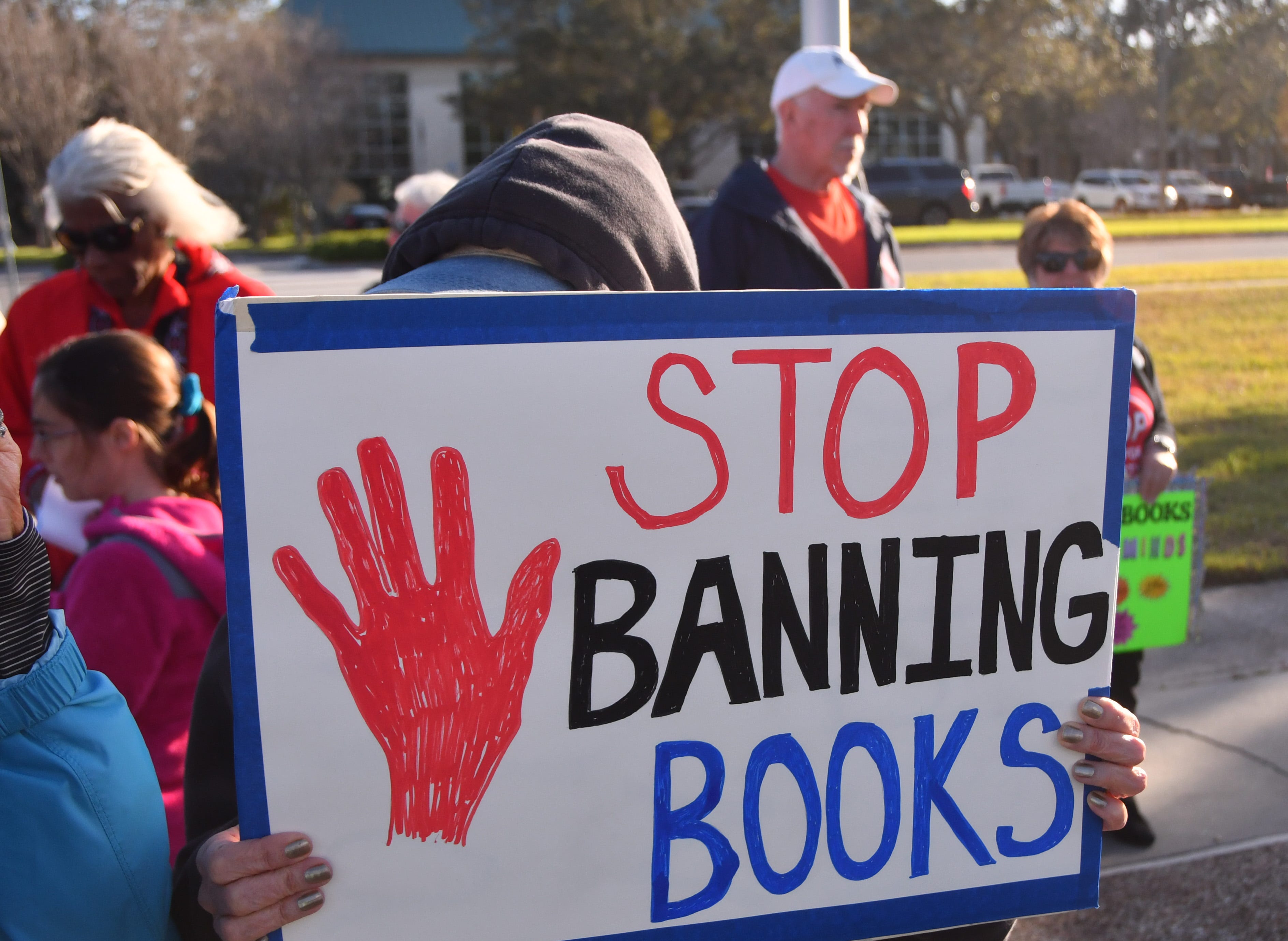
Critics, including organizations like PEN America and various activist groups, have attempted to label Florida as the “blueprint state” for censorship. However, what Florida has actually created is a framework for safeguarding childhood innocence, reinforcing parental authority, and ensuring that public schools remain focused on education rather than ideological agendas.
The assertion that Florida’s policies are anti-LGBTQ or racially motivated is not only incorrect but also intentionally misleading. Most books that have been flagged or removed from school libraries are not challenged due to the identities of the characters, but because of the explicit and graphic content they contain. These materials often include depictions of rape, incest, pedophilia, necrophilia, and other forms of sexual violence. Such content is clearly unsuitable for children and should not be available in school libraries.
One notable example involved the superintendent of Hillsborough County Public Schools, who refused to read aloud a challenged book during a public Board of Education meeting—due to its graphic nature. This same material was being made available to children in public schools. If it is deemed inappropriate for adults in a public setting, it is certainly inappropriate for minors in a school environment.
Some critics argue that students should be exposed to different viewpoints or that removing books equates to censorship. However, it is important to recognize that rated R or X movies are not shown in schools. Is this considered “banning” movies? Schools are not public movie theaters, bookstores, or streaming platforms—they are institutions of learning designed to foster development in age-appropriate ways. Age restrictions exist in nearly every other part of society. Why should public school libraries be an exception?
The reality is that Florida’s policies have empowered parents, regardless of political affiliation or identity. Legislation such as the Parental Rights in Education law ensures that parents, not bureaucrats or activist teachers, get to decide what is best for their children. Most parents agree: they want transparency, age-appropriate materials, and a say in their child’s education.
Despite claims that these policies are driven by a small group of “radicals,” data shows otherwise. In counties where parents must opt in for their child to access school libraries, over 80% still do—demonstrating that most parents are not seeking to limit access entirely. What these laws provide is a mechanism for families to be aware of and involved in what their children are exposed to. That is not censorship; it is responsible parenting.
The Florida Department of Education maintains a list of books that have been removed across districts, with more than 700 titles currently removed. Activist groups refer to this as a “banned books list,” but in reality, it serves as a resource for transparency and consistency across the state. If one district removes a book containing sexually explicit material unsuitable for minors, other districts can evaluate the same content for their own libraries. This is not banning—it is coordination to protect children.
Organizations like Moms for Liberty have faced criticism for advocating on behalf of parental rights, but the truth is, they represent the majority of families who are simply tired of being excluded from the education process. Parents are not the enemy. They are—and should always be—partners in shaping the next generation.
Opponents often resort to vague appeals to “democracy” or the idea that children need to be exposed to “dangerous ideas.” We live in a constitutional republic that thrives on values, facts, and critical thinking—not confusion, overexposure, or indoctrination. Shielding children from pornographic and sexually explicit material is not the same as limiting their education. In fact, it enhances it by allowing them to grow in stages, with age-appropriate learning that respects both their developmental needs and their families’ values.
Florida’s education reforms are working. Students are reading more age-appropriate material. Parents feel more informed and involved. Schools are re-centering their focus on academics rather than activism.
This is what responsible governance looks like. Not censorship, but stewardship. Not control, but accountability. And not division, but protection—for every child, in every classroom.
It’s time for the rest of the country to follow Florida’s lead. Let’s continue to push back against the chaos and return education to its rightful purpose. Protect the kids. Support the parents. And yes—make America Florida.

Post a Comment for "Florida's Education Model Succeeds—Nation Should Take Note"
Post a Comment