Florida to Adjust District Maps for 2026 Elections
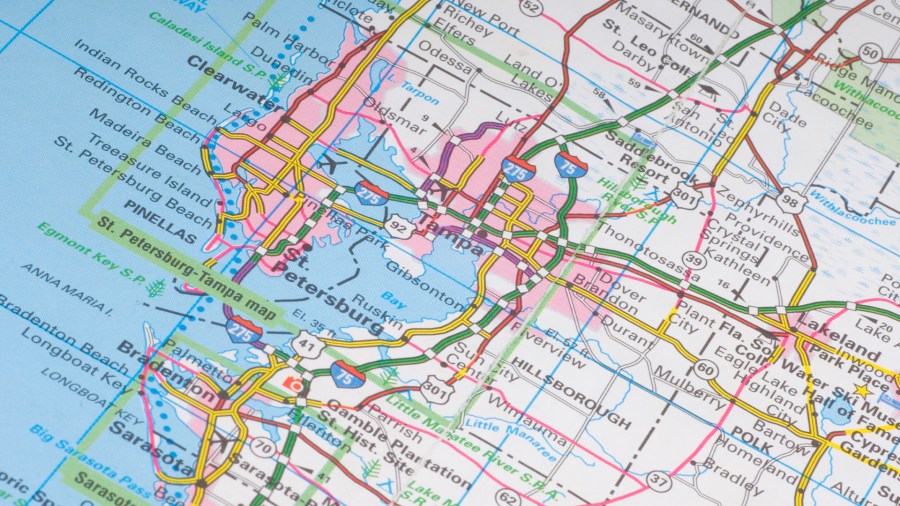
Redrawing the Map: Florida's Potential Mid-Decade Redistricting
In a move that could significantly impact the political landscape, President Donald Trump is encouraging Republican-led states to consider redrawing their congressional district maps ahead of the 2026 midterm elections. This development has sparked discussions across the country, with Florida being one of the key states under scrutiny.
Texas has already taken the first step by calling on its state lawmakers to act, setting a precedent for other states. Now, the question is whether Governor Ron DeSantis will follow suit. While redistricting typically occurs every ten years, there are indications that lawmakers might be preparing to redraw the state’s congressional map much earlier than anticipated. The focus is on at least one Democratic congressional seat in the Tampa Bay area, which has become a target for GOP strategists.
If DeSantis decides to proceed, it would not be his first time convening lawmakers in Tallahassee to adjust district boundaries. In 2022, he vetoed a GOP-led map and called for a special session, ultimately passing his preferred district lines. Three years later, the state legislature could be revisiting the drawing board again, signaling a potential shift in strategy.
At a recent press conference in Manatee County, 8 On Your Side asked the governor about his plans to call lawmakers back to redraw the maps. DeSantis responded by stating that a mid-decade redistricting would be appropriate. He pointed out the significant population shifts across different parts of the state over the past four to five years. However, this statement has drawn criticism from state Democrats, who argue that no new population growth data has been released yet.
Nikki Fried, chairwoman of the Florida Democratic Party, criticized the governor's remarks, calling them a "fictitious issue." She questioned why the legislature would need to adjust the maps if there were indeed significant population changes. Fried emphasized that without concrete numbers, the discussion lacks substance.
DeSantis has reportedly reached out to Commerce Secretary Howard Lutnick, requesting a recount to determine population changes. However, the feasibility of completing this count in time for the 2026 elections remains uncertain. According to Tara Newsom, a political analyst from St. Pete College, the process of redrawing district lines typically takes one to two years, including committee hearings and public input.
Newsom raised concerns about the potential benefits of this move for DeSantis. She questioned whether the governor's decision was aimed at diverting the legislature's attention from pressing issues such as education, healthcare, property tax, and home insurance. She suggested that the timing of this initiative might be more about political strategy than addressing real needs.
Despite these considerations, several questions remain unanswered. Do Florida voters support this potential redistricting? Can the governor secure the legislature's cooperation, especially after the tensions observed during the previous session?
The debate over redistricting continues to unfold, with implications that could shape the political future of Florida and beyond. As the conversation evolves, the role of population data, legislative cooperation, and voter sentiment will be crucial factors in determining the outcome.

Post a Comment for "Florida to Adjust District Maps for 2026 Elections"
Post a Comment