Florida Cat Helps Scientists Uncover New Virus Strain — and It's Not the First Time
A Unique Contribution from a Feline Friend
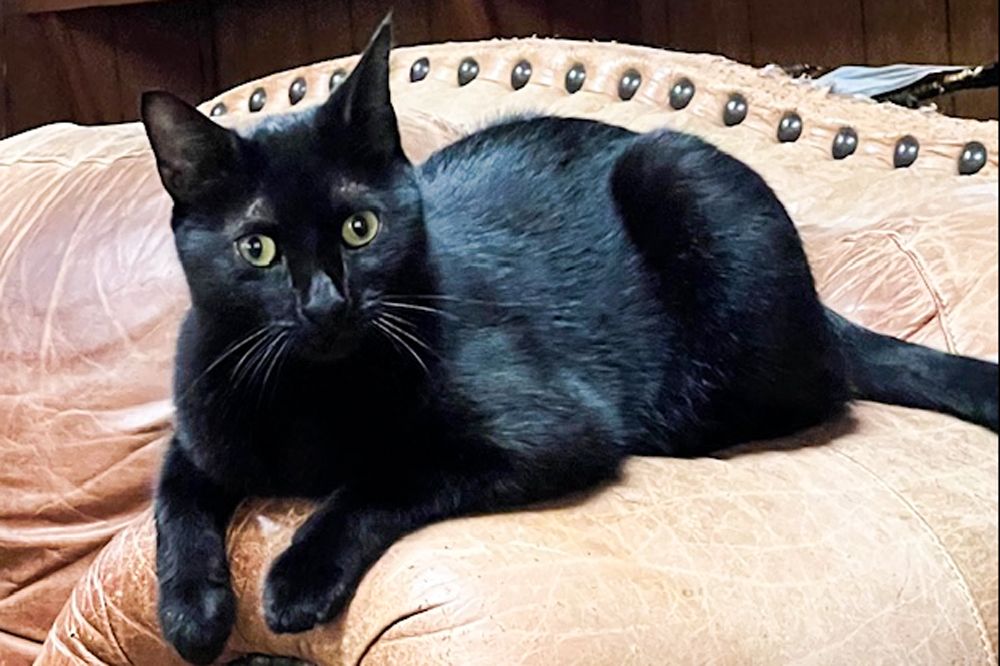
Pepper, a 7-year-old black shorthair cat, has become an unexpected partner in scientific research. Living with Dr. John Lednicky, a virologist at the University of Florida (UF) College of Public Health and Health Professions, Pepper has played a crucial role in uncovering new virus strains. His unusual habit of bringing home rodents has led to significant discoveries that could impact public health.
The Latest Discovery: A New Orthoreovirus Strain
In a recent incident, Pepper brought home the carcass of an Everglades short-tailed shrew. Instead of discarding it, Lednicky took the rodent to his laboratory for testing. The results revealed a previously unknown strain of orthoreovirus, a type of virus commonly found in mammals and birds. These viruses are known for their ability to jump between species, making them a subject of interest for researchers.
While this particular strain does not currently pose an immediate threat to humans, the discovery highlights the importance of monitoring such pathogens. According to UF Ph.D. candidate Emily DeRuyter, some forms of orthoreovirus have been linked to respiratory, central nervous system, and gastrointestinal diseases. This underscores the need for continued vigilance and rapid detection methods.
A History of Scientific Contributions
This is not the first time Pepper has contributed to groundbreaking research. In 2024, a rodent brought home by the cat was found to carry a new type of jeilongvirus, a virus previously unseen in North America. Jeilongvirus belongs to the same family as measles and mumps, raising concerns about its potential to infect humans.
Lednicky emphasized the value of these findings, stating that researchers and health officials should pay close attention to orthoreoviruses and develop strategies for quick detection. He also noted that even though the current strain is not a cause for alarm, understanding these viruses is essential for preventing future outbreaks.
Pepper’s Role in Ongoing Research
Pepper’s contributions are part of Lednicky’s broader work on viral transmission. As part of his studies, he tests rodents collected by the cat to understand how viruses like the mule deerpox virus spread among wildlife. This research helps scientists track emerging threats and develop better prevention strategies.
Despite his frequent encounters with wild animals, Pepper shows no signs of illness. The university has confirmed that he remains healthy and is likely to continue his role as a natural specimen collector. “If you come across a dead animal, why not test it instead of just burying it?” Lednicky remarked. “There is a lot of information that can be gained.”
The Broader Implications
The discoveries made through Pepper’s hunting habits highlight the unpredictable ways in which science can advance. By taking advantage of natural behaviors, researchers can gather valuable data without invasive methods. This approach not only benefits scientific progress but also encourages a more proactive stance in identifying potential health threats.
As Pepper continues his adventures, it remains to be seen what other surprises he might bring home. For now, his unique role as a feline researcher serves as a reminder of the interconnectedness of nature and science.

Post a Comment for "Florida Cat Helps Scientists Uncover New Virus Strain — and It's Not the First Time"
Post a Comment