Florida Beach Cities Turn to Ghost Towns as Local Businesses Suffer 30% Drop This Summer
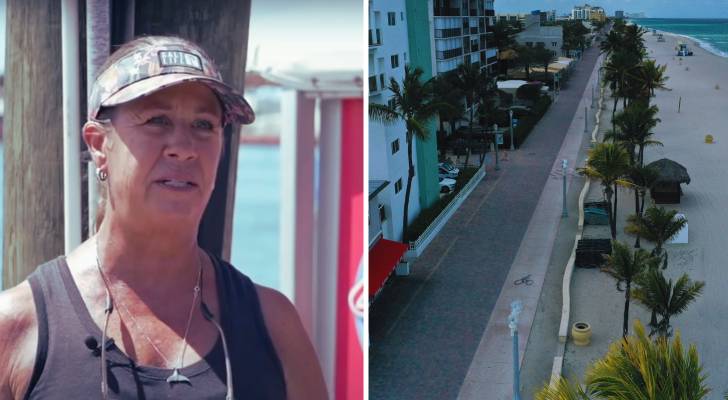
The Summer of Disappointment: Florida’s Tourism Struggles
With over 825 miles of sandy beaches, Florida has long been seen as the ideal summer getaway. However, this year has brought unexpected challenges for many coastal businesses. While the state's overall tourism numbers remain strong, local business owners are reporting a noticeable slowdown.
Kirsten Smail, a marine educator for Dolphin Quest, shared her concerns with ABC Action News. She mentioned that events like Spring Break and the typical summer rush didn’t materialize as expected. Amber Simmons, General Manager at Pirates Pub & Grub, echoed similar sentiments, calling it the slowest year since 2020. Angela Wilson from Mad Beach Watersports noted that some of her peers have seen a 30% drop in business.
Despite these reports, the broader picture of Florida’s tourism economy appears robust. According to Visit Florida data, the state welcomed 41.2 million visitors in the first quarter of the year, which is flat compared to the same period last year. This discrepancy between the overall numbers and the experiences of local businesses highlights a deeper issue.
Changing Tourism Mix
One significant factor affecting Florida’s tourism is the shift in the types of visitors coming to the state. The Gulf Coast, once reliant on Canadian snowbirds, is now seeing fewer international travelers. Diplomatic tensions and reduced border crossings have led to a sharp decline in Canadian visitors. Statistics Canada reported a 37% drop in road trips from Canada in July, with air travel down by 26%. This is the seventh consecutive month of declining tourism from Canada.
As a result, U.S. tourism is becoming more domestic. Nearly 92% of arrivals in Florida during the first quarter were U.S. residents, according to Visit Florida. This shift could explain why certain areas that rely heavily on Canadian and international tourists are experiencing a downturn, even though the state’s overall visitor numbers remain stable.
Slashed Travel Budgets
The economic climate also plays a role in the current situation. The local economy continues to face challenges, including persistent inflation and high layoff rates. American consumers are spending less on big-ticket travel items such as airfare and lodging. According to the Bank of America, there has been a decrease in spending on these items in the early months of 2025.
Morning Consult found that nearly 31% of U.S. adults feel their personal financial situation and negative outlook on the national economy are affecting their travel plans this summer. These squeezed budgets could be contributing to the sense of emptiness in some beach towns, despite strong overall visitor numbers.
What It Means for Your Wallet
For those looking to travel, this slump could present an opportunity. While tourism officials highlight steady visitor numbers, local businesses in beach towns may be eager for customers, leading to potential discounts. Travel experts suggest looking for package deals on hotels, reduced charter rates for fishing or boat trips, and off-peak pricing for attractions in places like Clearwater, St. Pete Beach, and Panama City.
Restaurants and small operators may also offer promotions or group discounts to attract business. Another tip is to consider traveling during the winter season. Traditionally, December to May is peak time for Canadian snowbirds, but if cross-border travel remains low, this period could become a bargain season. Flexible travelers might find cheaper rooms or upgrades that would normally be fully booked.
Conclusion
While Florida’s large tourism machine continues to operate, pockets of the state are quietly struggling. For savvy travelers, this could mean opportunities for savings. Whether it’s through discounted travel packages or off-season deals, there are ways to make the most of this unique moment in Florida’s tourism landscape.

Post a Comment for "Florida Beach Cities Turn to Ghost Towns as Local Businesses Suffer 30% Drop This Summer"
Post a Comment