Fired Prosecutor Ready to Replace Trump's U.S. Attorney Pick Habba
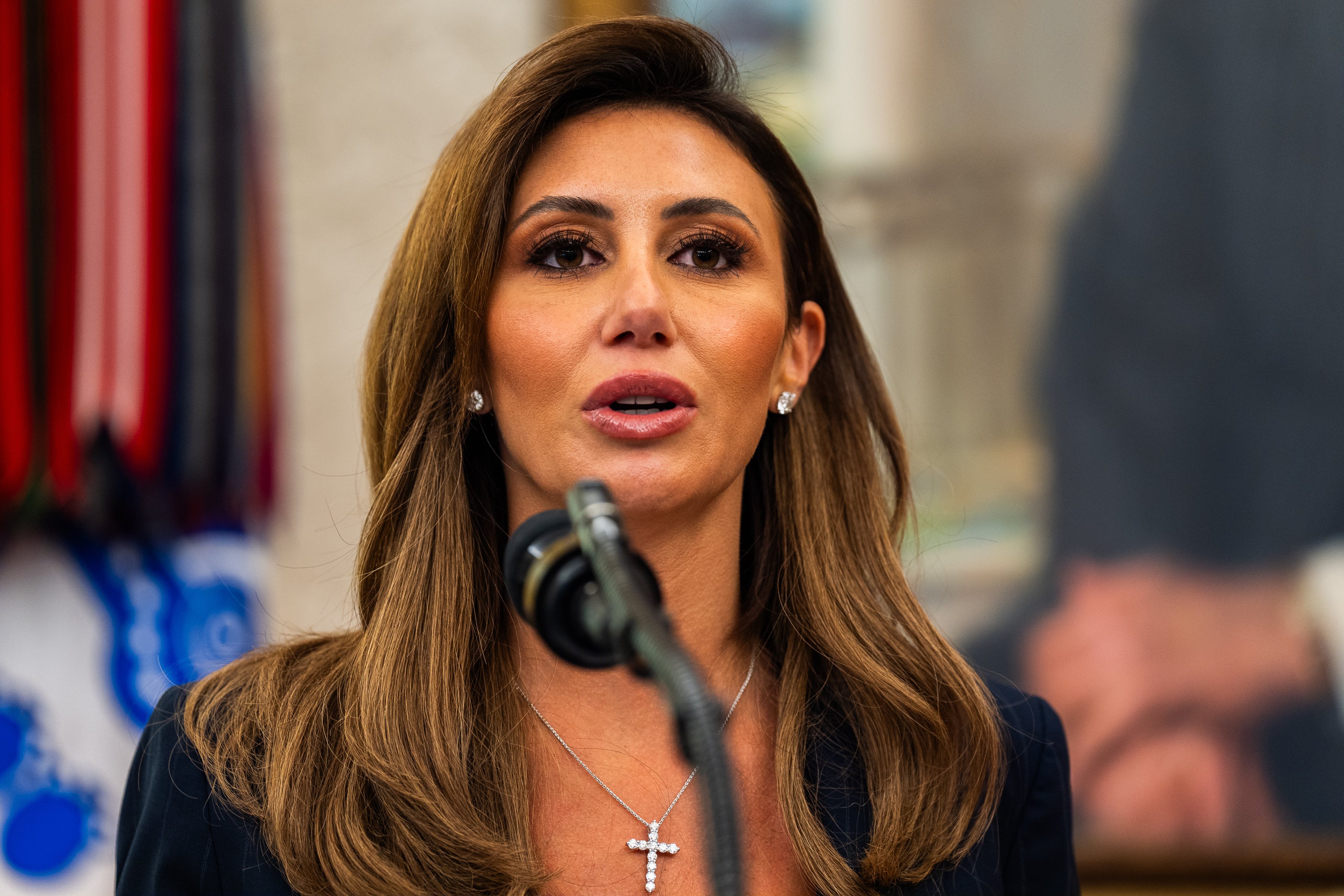
A Standoff Over Leadership in New Jersey’s U.S. Attorney’s Office
A growing conflict has emerged between the Trump administration and the federal judiciary over who will lead the U.S. attorney’s office in New Jersey. The situation centers on Desiree Leigh Grace, a veteran prosecutor who was appointed by the state’s district court judges to serve as acting U.S. attorney. Despite being fired by the Justice Department, Grace has maintained her commitment to the role, emphasizing her dedication to the law and public service.
Grace, who has spent nearly a decade working within the U.S. attorney’s office in New Jersey, was elevated to the position of acting U.S. attorney after the judges rejected the Trump administration’s choice for the role. Alina Habba, a former personal lawyer for President Donald Trump, had been serving as interim U.S. attorney for three months but faced criticism for her politically charged approach to the job. The judges’ decision to replace her with Grace sparked immediate backlash from top Justice Department officials, including U.S. Attorney General Pam Bondi and Deputy Attorney General Todd Blanche, who accused the judges of acting on a “left-wing agenda.”
In response to the firing, Grace issued a statement on her LinkedIn profile, expressing her readiness to take on the role “in accordance with the law.” She emphasized that her appointment was based on merit and her long career guided by a genuine desire to do the right thing. Her message highlighted her experience and professionalism, while also signaling her defiance against what she sees as an unjust removal.
The uncertainty surrounding the leadership of the U.S. attorney’s office has raised questions about who will be in charge when the current term ends. The judges stated that Grace’s appointment would take effect upon the expiration of Habba’s 120-day interim term, which is set to end just before midnight on Friday. However, the Justice Department maintains that the term will not conclude until then, creating a legal and administrative standoff.
Habba, who was appointed by Trump earlier this year, has not returned requests for comment. However, her name appeared on official news releases from the U.S. attorney’s office, suggesting that she may still be operating under the title of U.S. attorney. This has further complicated the situation, as it raises concerns about whether the administration is attempting to maintain control over the office despite the judges’ decision.
The dispute over Habba’s position could signal broader conflicts over Trump’s appointments of loyalists as U.S. attorneys in other districts. In recent months, the president has placed interim prosecutors in several regions, including Nevada, the Northern District of New York, and Manhattan. Many of these appointments are nearing their 120-day terms, and the Senate has yet to confirm any of them. In some cases, the courts have refused to reappoint these individuals, leading to tensions with the administration.
One example is John A. Sarcone III, who was replaced by federal judges in the Northern District of New York after his term expired. In response, the Justice Department named him a “special attorney to the attorney general,” a move that grants him authority similar to that of an acting U.S. attorney. This suggests a possible strategy for the administration to retain control over key positions even when judges refuse to reappoint Trump’s choices.
Habba’s nomination for a full four-year term has also drawn criticism. Senators Cory Booker and Andy Kim, both Democrats from New Jersey, have expressed concerns that she has acted as a “partisan warrior” and has targeted Democratic officials in the state. Before taking the U.S. attorney role, Habba had no prior experience as a prosecutor, and her tenure has been marked by efforts to investigate or prosecute political opponents.
In a joint statement, Booker and Kim condemned the Trump administration for undermining judicial decisions and showing disregard for the rule of law. They criticized the firing of Grace, a career public servant, as an attempt to intimidate those who disagree with the administration and erode judicial independence.
Grace, in her statement, did not directly address the controversy surrounding her appointment or the firing. Instead, she focused on her long career and the fact that she had been promoted multiple times under both Republican and Democratic administrations. She emphasized that politics had never influenced her work at the Department of Justice, reinforcing her commitment to impartiality and the law.

Post a Comment for "Fired Prosecutor Ready to Replace Trump's U.S. Attorney Pick Habba"
Post a Comment