Final Hearing on Opioid Fund Restitution in City
Community Voices Shape the Future of Opioid Restitution Funds in Baltimore
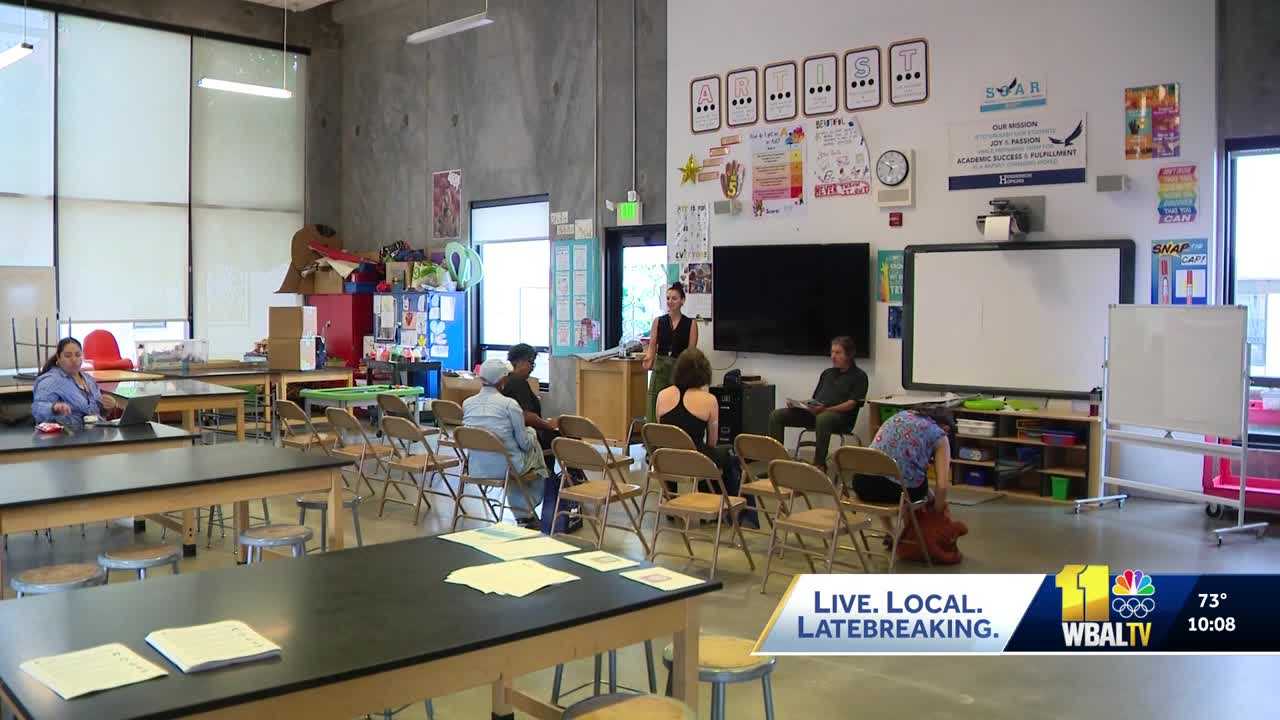
Residents of Baltimore City gathered for a final listening session on Wednesday to share their thoughts on how the city should use a portion of the more than $400 million in opioid restitution funds it is set to receive. The event, held at Henderson Hopkins Middle and Elementary School, provided an opportunity for community members to express their concerns and suggestions regarding the allocation of these critical resources.
Paulette Jones, an East Baltimore resident who attended the meeting, voiced her frustration and hope. “I want to know, we have this money, where's the money going?” she asked. “We had the meeting, gave them our ideas and everything, we'll see what they do.” Her sentiment echoed the sentiments of many attendees who are eager to see tangible results from the investments made in addressing the city’s opioid crisis.
The opioid restitution funds stem from lawsuits against pharmaceutical companies that contributed to the opioid epidemic in Baltimore. These funds are intended to support initiatives aimed at reducing overdose deaths and improving public health outcomes. The Baltimore Opioid Restitution Fund was established to determine how the millions of dollars from these lawsuits will be spent, with a focus on amplifying the city's Overdose Response Strategic Plan.
This strategic plan is central to the city's efforts to combat the overdose crisis and includes five key priorities that residents were encouraged to provide feedback on during the listening sessions:
- Help those most at risk by addressing racial, sex, and age-based disparities in the overdose crisis. This priority focuses on ensuring that vulnerable populations receive the necessary support and resources.
- Ensure services work together by dismantling silos and improving care coordination across systems. The goal here is to create a more integrated approach to healthcare and support services.
- Confront stigma in services, policy, and public perception so people feel safe and welcome asking for help. Reducing stigma is crucial in encouraging individuals to seek assistance without fear.
- Increase access to low-barrier services, particularly in underserved neighborhoods. This priority emphasizes the need for equitable access to essential services.
- Improve the quality of substance use disorder treatment and recovery supports so individuals can achieve lasting recovery. Enhancing treatment options is vital for long-term success.
Sara Whaley, the executive director of the Mayor's Office of Overdose Response, emphasized the importance of community input. “The plan that's out right now is just a draft. We're really excited to hear from the community, their feedback and input on the draft plans,” she said. “We'll take what we learned from all these listening sessions, we'll synthesize that feedback and make any amendments that we need to the draft plan, then we'll publish a final plan.”
The Restitution Advisory Board, established by Mayor Brandon Scott in February, also participated in the final listening session to gather insights from residents on the city's plan to address the overdose crisis over the next two years. The city chose to hold these sessions in neighborhoods with the highest overdose rates, ensuring that the most affected communities had a voice in shaping the future of these initiatives.
Last year, the city publicly released its plans for a portion of the millions of dollars it is set to receive. So far, the city has won more than $402.5 million, with one case still pending. Residents can continue to provide feedback on the Overdose Response Strategic Plan through August 29 by filling out the feedback form. While there is no set timeline for the final publication of the plan, the city remains committed to reevaluating the plan after two years to assess its effectiveness and make necessary adjustments.
The ultimate goal is to reduce fatal overdoses by 40% in Baltimore City by 2040. This ambitious target underscores the urgency of the city's efforts to address the opioid crisis and improve the well-being of its residents. Through continued collaboration with the community and a commitment to transparency, Baltimore aims to create a safer and healthier environment for all.

Post a Comment for "Final Hearing on Opioid Fund Restitution in City"
Post a Comment