FEMA Chief Refuses to Confirm Agency's Future
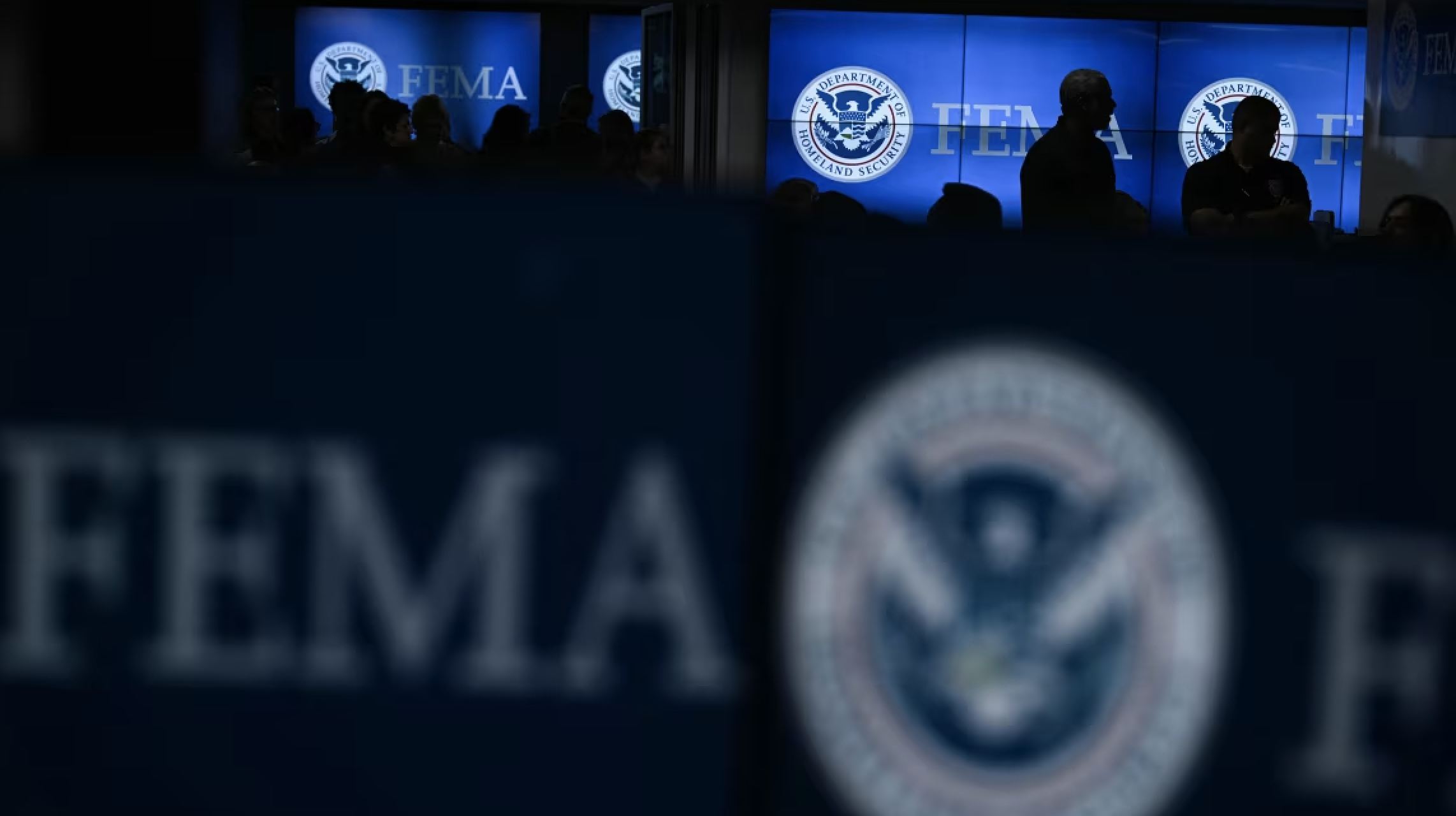
The Future of FEMA: A Debate Over Survival and Reform
The Federal Emergency Management Agency (FEMA) is at a crossroads, with its future hanging in the balance as lawmakers and officials debate its role in the country’s emergency management system. During a recent hearing on Capitol Hill, Acting FEMA Administrator David Richardson avoided direct answers about whether the agency will continue to exist in the long term.
Richardson emphasized that while he couldn’t guarantee FEMA’s survival, he was committed to improving the agency’s performance. “The president wants a better emergency management system for the American people, and that’s a noble goal,” he told a House subcommittee. He also mentioned that the FEMA Review Council is expected to deliver reform recommendations to President Donald Trump by late fall.
The proposed reforms include returning to a model where disaster response is locally led and state-managed, with federal support available when needed. However, some lawmakers argue that dismantling FEMA would not empower states but instead weaken the federal safety net that supports critical phases of emergency management.
Bipartisan Efforts to Strengthen FEMA
Rep. Rick Larson, a Democrat from Washington and the top Democrat on the House Transportation and Infrastructure Committee, stressed that states already lead disaster response efforts. “Dismantling FEMA does not empower states. It just slashes the federal safety net that serves as a backstop for critical phases of emergency management.”
Larson also mentioned that lawmakers plan to introduce a bipartisan bill this week outlining proposals to improve FEMA. The debate over the agency’s future comes amid criticism of its response to deadly flash floods in Texas earlier this month. Richardson defended the agency’s actions, calling it a “model” for future disasters.
However, the New York Times reported that two days after the catastrophic flooding, FEMA didn’t answer nearly two-thirds of calls to its disaster assistance line. Richardson dismissed the report as “fake news,” claiming that the majority of calls were answered. Republican Rep. Scott Perry, who chairs the subcommittee focused on emergency management, noted that call center response rates were an issue under the Biden administration as well.
Perry asked Richardson to provide performance data to Congress, emphasizing that both sides of the aisle want to better understand how well FEMA serves the public. “I think we can legally share that,” Richardson said, adding that if it’s possible, they will do so.
Funding and Resilience Programs Under Scrutiny
Lawmakers also questioned whether funding to help communities strengthen infrastructure before disasters strike will be restored. The cancellation of the Building Resilient Infrastructure and Communities program, deemed wasteful by the Trump administration, has disrupted projects across several congressional districts, including levees to protect against floods.
Rep. Val Hoyle, a Democrat from Oregon, expressed concern that these projects are now in limbo. “Please do not throw the baby out with the bathwater,” she said, urging continued support for such initiatives.
Richardson could not confirm what would happen to the funding moving forward, citing ongoing litigation. However, he reiterated that resilience is a priority for him and for FEMA. Under the Biden administration, FEMA has often emphasized the importance of investing in resilient infrastructure to prepare for the worsening effects of climate change.
Climate Change and Disaster Trends
Despite repeated questions, Richardson avoided directly addressing whether fossil fuels are contributing to climate change or whether the frequency and severity of disasters in the U.S. are increasing. “What I believe is, regardless of whether they’re increasing or not, that FEMA is there to assist the American public,” he said.
The conversation around FEMA’s future continues to evolve, with lawmakers on both sides of the aisle pushing for transparency, accountability, and meaningful reform. As the agency faces mounting pressure, the question remains: Will FEMA adapt to meet the challenges of the 21st century, or will it become a relic of a bygone era?

Post a Comment for "FEMA Chief Refuses to Confirm Agency's Future"
Post a Comment