Feeding Our Future: Abdiaziz Shafii Farah's 28-Year Sentence
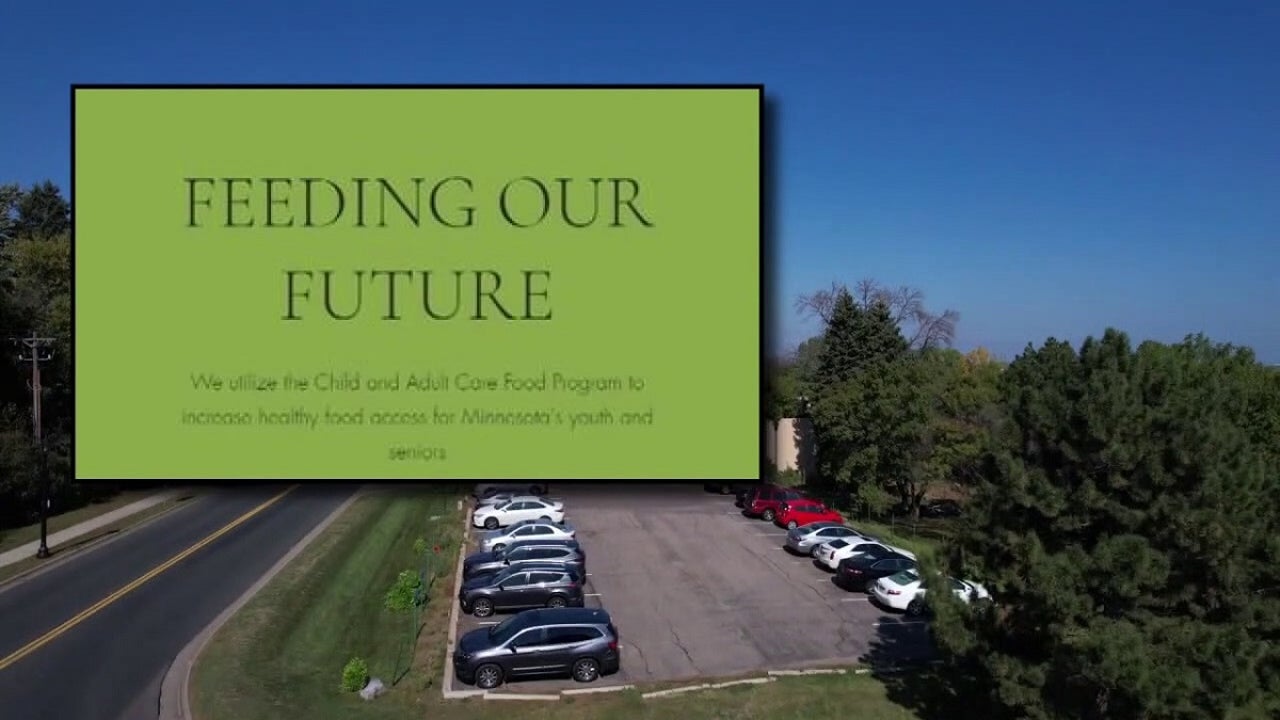
The Fraud Scheme Involving Feeding Our Future
A man who prosecutors claim played a key role in defrauding over $300 million through the Feeding Our Future program has been sentenced to 28 years in prison, followed by three years of supervised probation. Abdiaziz Shafii Farah, 36, was found guilty of multiple charges related to this large-scale fraud, which occurred during the early days of the COVID-19 pandemic.
Farah’s sentencing comes after he pleaded guilty to attempting to bribe a juror during his trial, a separate conviction that will be addressed in a future court date. This case highlights the extensive corruption and deceit involved in one of the largest fraud schemes in recent history.
The Scope of the Fraud
According to court documents, Farah, the former co-owner of Empire Cuisine & Market, enrolled in the Federal Child Nutrition Program in April 2020, shortly after the pandemic began. Prosecutors allege that he used his position to steal over $47 million in program funds by falsely claiming to serve 18 million meals at more than 30 food distribution sites.
Investigations revealed that many of these sites never actually served any meals. Some addresses led to parking lots or vacant commercial spaces, indicating that the claims were entirely fabricated. Farah was later convicted of several serious offenses, including conspiracy to commit wire fraud, conspiracy to commit federal programs bribery, false statements in a passport application, and money laundering.
The Pay-to-Play System
Prosecutors described the scheme as operating under a "pay-to-play" system, where bribes and kickbacks were given to personnel associated with Feeding Our Future and Partners in Nutrition. Fake meal counts and invoices were submitted throughout the operation, further highlighting the organized nature of the fraud.
Some of the fake records included names like "Serious Problem" and "Britishy Melony," suggesting that the deception was not only widespread but also intentionally absurd. Farah personally benefited from the fraud, profiting over $8 million during his 18 months of involvement. He used the stolen funds to purchase luxury vehicles and properties overseas.
Attempted Juror Bribery
In addition to the fraud, Farah and four other defendants in the Feeding Our Future case attempted to bribe a juror with $120,000 in cash in exchange for a not guilty verdict. This act of attempted jury tampering is a serious offense that could result in additional legal consequences.
The attempt to bribe a juror underscores the lengths to which the defendants went to avoid accountability. Court records indicate that this effort was part of a broader strategy to undermine the justice system.
Passport Fraud and Flight Plans
Investigators also discovered that Farah lied on a passport application after federal agents seized his original passport during their investigation. He then attempted to book a one-way ticket to Kenya, where he had purchased property using stolen taxpayer funding. This led to additional charges of passport fraud and his eventual arrest.
Reactions from Authorities
U.S. District Judge Brasel described the scheme as “breathtakingly elaborate” and emphasized that Farah was driven by “pure unmitigated greed.” The judge noted that the impact of the crime would be felt in Minnesota and within the refugee community for a long time.
Acting U.S. Attorney Joseph H. Thompson argued for a longer sentence, stating that Farah had been given every opportunity by the country and yet chose to engage in criminal activity. He criticized Farah for not embracing the American dream but instead seeking wealth through illegal means.
Conclusion
The case of Abdiaziz Shafii Farah serves as a stark reminder of the potential for abuse within government programs and the devastating impact of financial fraud. His actions not only defrauded the federal government but also undermined public trust in critical systems designed to support vulnerable communities. As the legal process continues, the case remains a significant example of the consequences of greed and corruption.

Post a Comment for "Feeding Our Future: Abdiaziz Shafii Farah's 28-Year Sentence"
Post a Comment