Feds Audit FAA Over Long Island Air Traffic Cuts Amid Newark Safety Fears
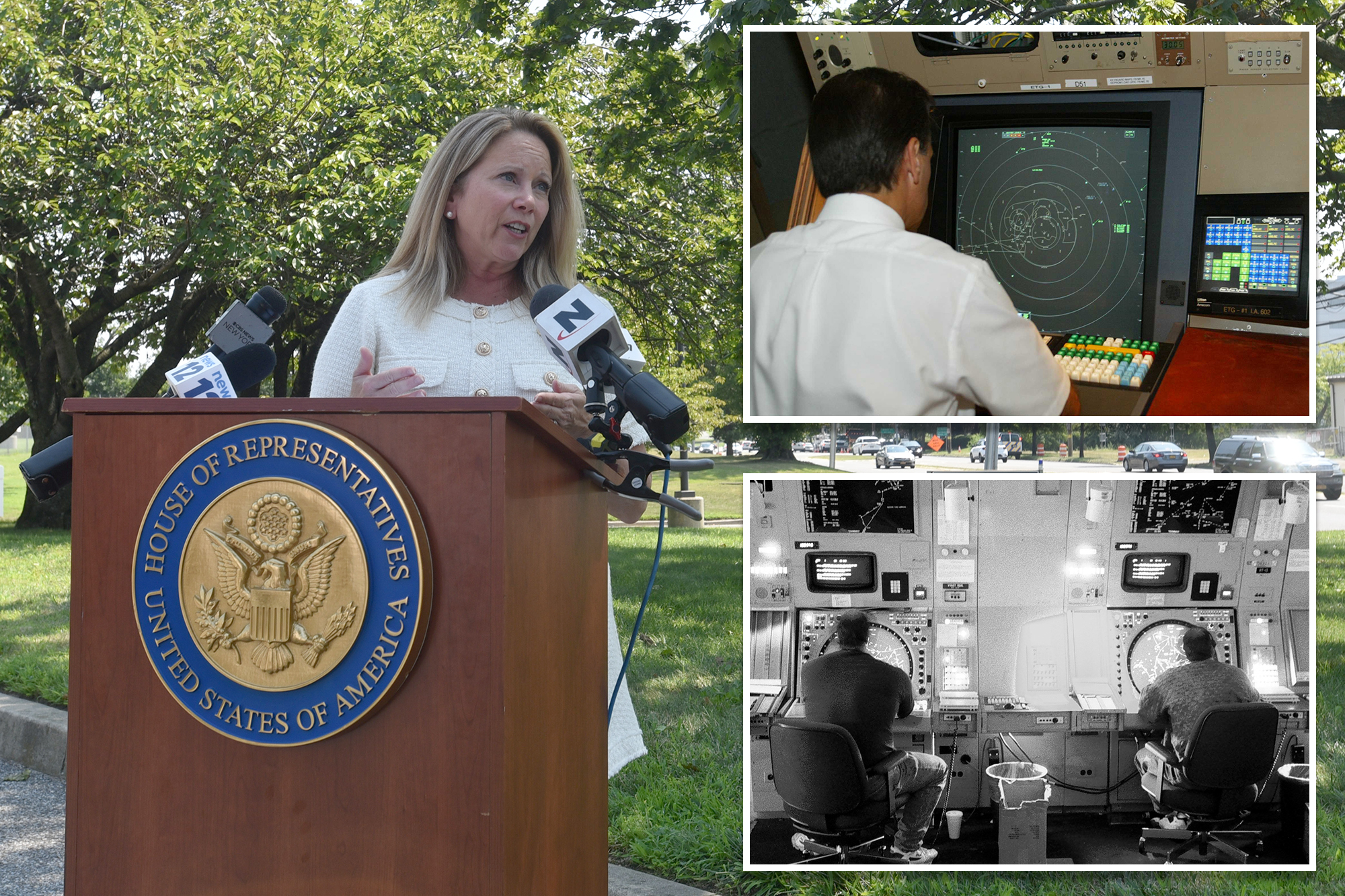
FAA Relocation Sparks Concerns Over Safety and Staffing
The Federal Aviation Administration (FAA) is under scrutiny for its decision to move air traffic controllers responsible for overseeing Newark’s airspace from Long Island to Philadelphia. This move has raised serious concerns about safety, staffing, and the overall efficiency of air traffic management in one of the busiest regions in the country.
The Department of Transportation’s Inspector General recently confirmed that it is conducting an audit into the FAA’s 2024 decision to shift control of Newark Liberty Airport’s airspace from New York TRACON, located in Westbury, to the Philadelphia air traffic tower. The move followed a series of radar blackouts at the New Jersey facility, prompting questions about whether the relocation was a prudent step.
Representative Laura Gillen, a Democrat representing Long Island, criticized the FAA for downplaying the risks associated with the move. She pointed out that the FAA had previously claimed the risk of a radar outage was one in 11 million. However, this prediction was proven wrong when two 90-second radar blackouts occurred at Newark airport in April and May of this year.
Impact on Staff and Operations
The controversial relocation resulted in the transfer of 12 veteran air traffic controllers from TRACON, one of the nation’s busiest radar centers. Local leaders and remaining staff have described the facility as being in dire need of support.
Gillen, who toured the TRACON building, emphasized that the remaining staff are “burnt out” and deeply concerned about safety. She urged that the controllers who were moved to Philadelphia should return to their original posts.
Erick Carlo, a veteran air traffic controller with over a decade of experience, echoed these sentiments. He described the current situation as a “hole” on the floor where the relocated staff used to work. Their absence, he said, has hindered efforts to improve safety in one of the country’s most critical air traffic control hubs.
Staffing and Equipment Challenges
The FAA initially defended the move as necessary to address staffing shortages and improve operational efficiency. However, Gillen noted that only one additional graduate has joined the team since the relocation, and staffing issues remain largely unchanged.
In addition to staffing problems, the TRACON facility faces significant challenges due to outdated equipment. Carlo, a representative of the National Air Traffic Controllers Association, highlighted that the facility still uses radar systems and equipment from the 1980s and 1990s. He also pointed out that only 8% of the FAA’s facilities and equipment budget is allocated toward modernizing the system that millions of travelers rely on each year.
“While the equipment is still functioning, it’s essentially ancient,” Carlo said. He explained that prior to the move, if there was an issue with the older technology, he could collaborate with colleagues at Newark’s facility to ensure the skies remained safe. That option is no longer available.
Audit Could Lead to Reversal of Decision
The ongoing audit by the Department of Transportation aims to determine whether the relocation plan backfired, compromising safety, morale, and operational continuity at one of the country’s busiest air traffic control hubs. If the audit finds that operations are more efficient from Long Island, the controllers who were moved to Philadelphia may be required to return.
FAA officials have not provided public comments outside of the facility, leaving many questions unanswered. As the audit continues, the debate over the relocation’s impact on safety and efficiency remains a pressing issue for air traffic controllers, lawmakers, and travelers alike.

Post a Comment for "Feds Audit FAA Over Long Island Air Traffic Cuts Amid Newark Safety Fears"
Post a Comment