FDA Requests DOJ to Label Gas Station Products With Opioid-Like Effects as Illegal
The FDA Recommends Classifying 7-OH as an Illicit Substance
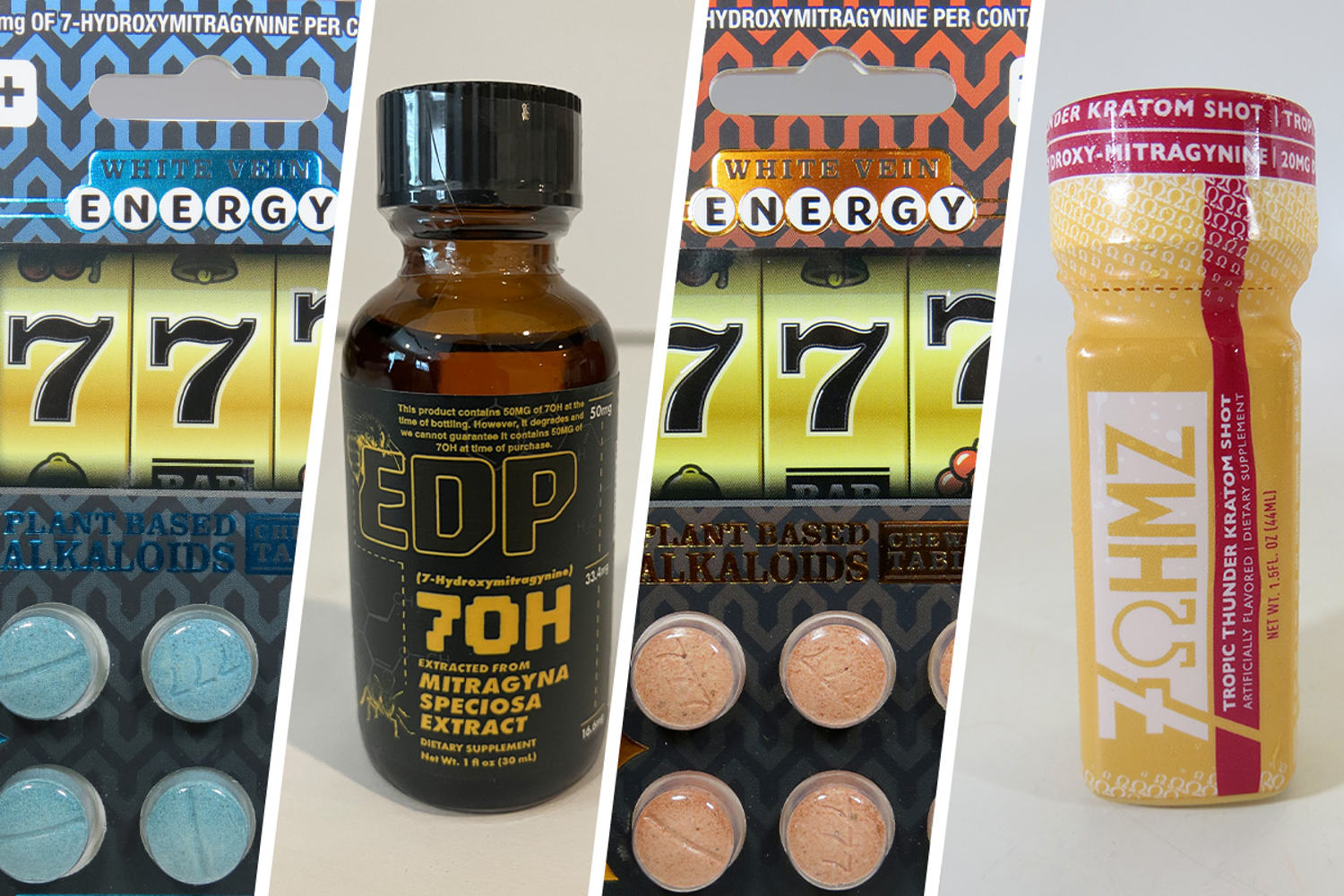
The U.S. Food and Drug Administration (FDA) has recommended classifying a compound known as 7-OH, which has opioid-like effects, as an illicit substance. This compound is found in various unregulated products such as tablets, gummies, and drink mixes sold in gas stations, convenience stores, and online. If the Justice Department follows through with this recommendation, it could lead to restrictions or even a complete ban on these products.
7-OH, formally called 7-hydroxymitragynine, is often marketed as a way to help people relax, relieve pain, or improve their mood and focus. However, research suggests that it is more potent than morphine. The FDA has warned that it may cause serious health risks, including damage to the heart or liver, seizures, digestive issues, shallow breathing, withdrawal symptoms, and even death.
Jim O’Neill, deputy secretary of the U.S. Department of Health and Human Services, highlighted the growing concerns during a press conference. He stated that there has been a disturbing rise in reports of overdoses, poisonings, and emergency room visits linked to products containing 7-OH. He emphasized that these products are often sold without proper warnings or control over quality and dosage, calling it a recipe for a public health disaster.
7-OH is naturally found in the leaves of a tropical evergreen tree. An herbal extract from these leaves, known as kratom, is also sold as an unregulated dietary supplement. Kratom contains trace amounts of 7-OH, but products labeled as “7-OH” typically contain a synthetic, concentrated version of the chemical. In some cases, these products are misleadingly marketed as kratom.
The FDA’s recommendation will trigger a review by the Drug Enforcement Administration (DEA), which is responsible for classifying drugs under the Controlled Substances Act. There are five potential classifications based on a substance’s medical use, public health risks, and potential for abuse. FDA Commissioner Martin Makary suggested that 7-OH should be classified as a Schedule I substance, meaning it has no accepted medical use and a high potential for abuse. Other substances in this category include heroin, marijuana, and ecstasy.
Currently, the FDA warns against using kratom products due to the risk of serious side effects, such as seizures and liver toxicity, as well as the potential for substance use disorder. In 2016, the DEA planned to regulate the active ingredients in kratom, including 7-OH, as Schedule I substances. However, the agency abandoned the effort after facing significant opposition from kratom advocates. According to the National Survey on Drug Use and Health, around 1.9 million people aged 12 and older in the U.S. reported using kratom in 2022.
Tom Prevoznik, an assistant administrator at the DEA, mentioned that the public will have another opportunity to provide feedback before a final decision is made. He emphasized that the DEA will follow science and the law to ensure community safety.
Health and Human Services Secretary Robert F. Kennedy Jr. shared his concerns about the widespread availability of 7-OH products near schools, military reservations, and in low-income neighborhoods. He criticized the marketing tactics used for these products, noting that they are often designed to appeal to children, with gummy bears, bright colors, and candy flavors. He described the industry as “sinister.”
In late June, the FDA issued warning letters to seven companies for illegally marketing products containing 7-OH. The agency stated that 7-OH cannot be legally added to conventional foods or dietary supplements due to insufficient safety data. While dietary supplements do not require FDA approval, manufacturers must test their ingredients and limit contamination. The FDA can only remove products from the market if they are deemed unsafe.
Makary clarified that the FDA is focusing on synthetic, concentrated forms of 7-OH rather than the natural form found in kratom. He said, “We are going after the killer first.”
On the other hand, the Holistic Alternative Recovery Trust, which supports the use of plant-based compounds for opioid addiction, criticized the FDA’s recommendation. They argued that the agency’s actions ignore how 7-OH is actually used in real-world settings. Jeff Smith, the group’s national policy director, stated that if 7-OH posed an urgent danger, evidence would have been presented, which it was not.
Proponents of kratom argue that it can be useful for pain management and helping individuals reduce dependence on more dangerous opioids. The American Kratom Association has expressed openness to the FDA regulating kratom products through labels, age restrictions, or limiting 7-OH concentration. However, they maintain that kratom does not have a high potential for abuse and should not be classified as a controlled substance.

Post a Comment for "FDA Requests DOJ to Label Gas Station Products With Opioid-Like Effects as Illegal"
Post a Comment