FDA Proposes Classifying Strong Kratom as Illegal Drug
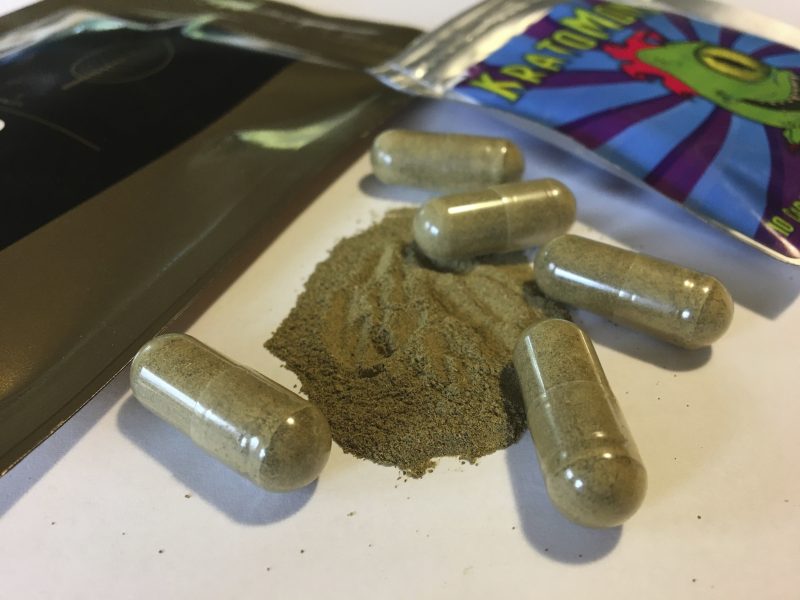
The FDA’s Push to Classify 7-OH as an Illicit Drug
The Food and Drug Administration (FDA) has taken a significant step in addressing the growing concerns surrounding a compound known as 7-OH. This compound is derived from the kratom plant, which has gained popularity as a natural alternative for managing pain or boosting energy levels. However, the FDA now believes that 7-OH poses serious risks and should be classified as an illicit drug.
According to FDA Commissioner Marty Makary, 7-OH has a “high risk of addiction” due to its ability to bind to opioid receptors in the brain. This characteristic raises alarms among public health officials, who are worried about the potential for abuse and dependency. While 7-OH occurs naturally in trace amounts within the kratom plant, the concern lies with products that contain concentrated levels of this compound.
Makary has recommended that the Drug Enforcement Agency (DEA) classify 7-OH as a Schedule I substance. This classification would place it alongside other highly controlled drugs such as heroin, LSD, and ecstasy. The decision comes as part of a broader effort to prevent another wave of the opioid crisis from affecting the country.
“We have a history in public health of being asleep at the wheel,” Makary said. “Public health is supposed to prevent disasters, not just clean them up after they’ve killed thousands and thousands of people.”
The American Kratom Association (AKA), a group representing the kratom industry, has welcomed the recommendation. They view the move as a critical step in protecting consumers from potentially dangerous synthetic products that mimic the effects of natural kratom. A spokesperson for the AKA emphasized that the FDA’s decision highlights a growing issue within the kratom market.
In recent weeks, the FDA has issued warning letters to seven companies suspected of illegally marketing 7-OH products as dietary supplements or claiming they can relieve pain or manage anxiety. These actions signal the agency's increasing scrutiny of the kratom industry.
Health officials have reported a troubling rise in cases involving 7-OH, including poisonings and emergency room visits. The compound can be found in various forms, such as tablets, gummies, mixed drinks, or shots. However, there is currently no data on the full scale of these incidents.
These products are often sold through online platforms, convenience stores, gas stations, and vape shops, with little to no quality control or dosage regulation. Jim O’Neil, deputy secretary at the Department of Health and Human Services, warned that this lack of oversight could lead to a public health disaster.
“Young people, veterans, and people who suffer from chronic pain or addiction are being misled into thinking that these are safe alternatives. They’re not,” O’Neil stated.
Kratom has become a popular alternative for those seeking relief from chronic pain or opioid withdrawal symptoms, especially during the ongoing opioid epidemic. Some studies suggest that up to 15 million Americans may use kratom for these purposes. In small doses, it can act as a stimulant, but higher concentrations can cause drowsiness, euphoria, and even seizures.
The Trump administration’s latest move aims to prevent another surge in drug-related crises. Makary noted that while much remains unknown about 7-OH, the situation could be the beginning of a larger problem.
“There’s a lot we don’t know. This may be the calm before the storm,” he said. “It may be the tip of the iceberg, but let’s be aggressive and proactive.”
Previously, the DEA had considered scheduling kratom compounds as controlled substances in 2016 but delayed the decision due to strong opposition. Makary clarified that the current focus is on synthetic and concentrated forms of kratom, indicating the administration is prepared to address any pushback.
As the debate over kratom continues, the FDA’s recommendation underscores the urgent need for regulatory action to protect public health and prevent further harm.

Post a Comment for "FDA Proposes Classifying Strong Kratom as Illegal Drug"
Post a Comment