FCC Chairman's Bias Undermines Broadcast Journalism Claims
The FCC's Role in Broadcast Journalism and the Controversy Surrounding Skydance and Paramount
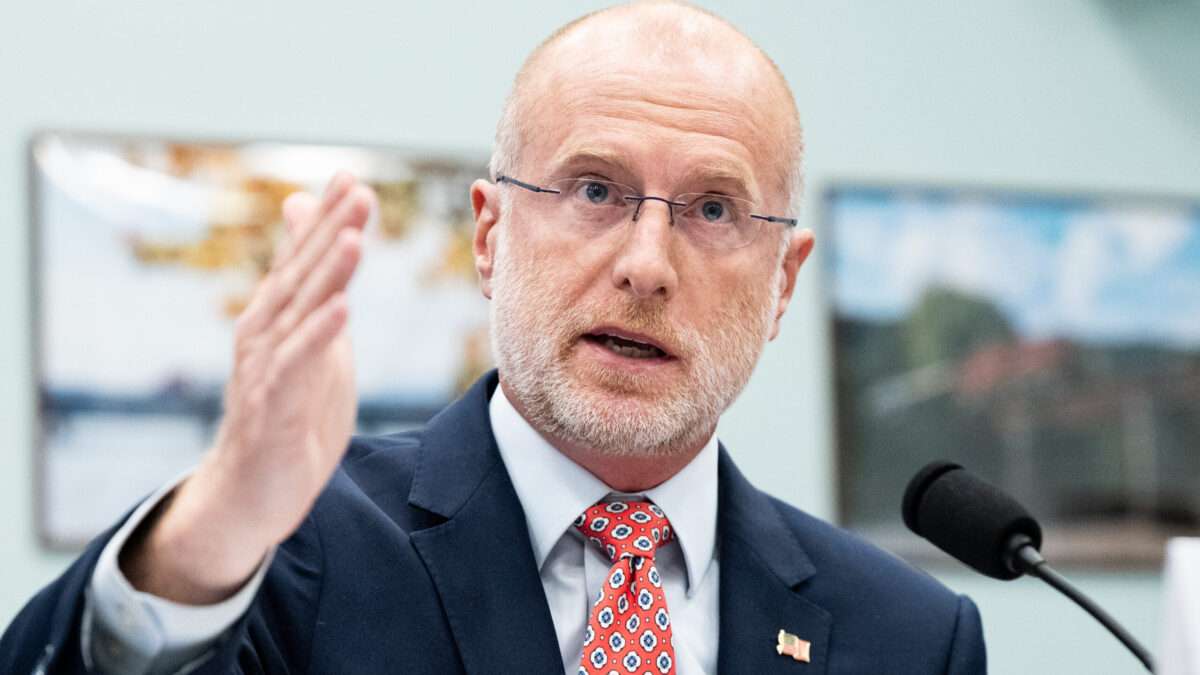
The recent merger between Skydance Media and Paramount, which owns CBS, has sparked significant debate, particularly regarding the Federal Communications Commission’s (FCC) involvement. The deal, valued at $8 billion, was approved by the FCC last week. During this process, FCC Chairman Brendan Carr highlighted that the agency had secured concessions aimed at bringing “significant changes” to the network’s journalism. This development raises important questions about the role of government in regulating media and the implications for free speech.
Brendan Carr, a Republican appointed as FCC chairman by President Donald Trump, believes the agency has a duty to ensure that TV journalists cover the news “fully, accurately, and fairly.” However, this perspective conflicts with the First Amendment, which protects the freedom of the press. Carr himself once seemed to acknowledge this constitutional boundary, yet his current stance suggests a shift in priorities.
The FCC’s approval of the merger was necessary because it involved the transfer of broadcast licenses held by CBS-owned stations. Just weeks before the merger announcement, Paramount settled a lawsuit brought by former President Donald Trump, who claimed that CBS committed consumer fraud by editing a pre-election interview with Vice President Kamala Harris to make her sound less “dumb.” Although Carr initially suggested that the interview warranted an investigation into “broadcast news distortion,” he insisted that the lawsuit had no bearing on the FCC’s review of the merger.
However, the concessions made by Carr are troubling. He emphasized that Skydance promised to ensure its programming reflects a diversity of viewpoints across the political and ideological spectrum. Additionally, Skydance pledged to implement measures to eliminate bias and promote fair, unbiased, and fact-based coverage by CBS. These promises imply a level of government oversight over media content that would be unconstitutional in other forms of journalism, such as print or online platforms.
Broadcasting is treated differently due to the perceived need for regulation to address the scarcity of radio spectrum. This rationale has always been questionable, especially in today’s media landscape where digital platforms offer alternative avenues for content distribution. Even the FCC acknowledges that it cannot engage in censorship or infringe on First Amendment rights. The agency explicitly states that broadcasters have the right to select and present news or commentary freely.
Despite these principles, Carr appears to be attempting to shape editorial decisions. His understanding of the government’s role in the marketplace of ideas includes restricting the editorial discretion of social media platforms to “rein in Big Tech” and prevent “discrimination against core political viewpoints.” This approach contrasts sharply with his previous statements, where he criticized the FCC for acting as “the nation's speech police.”
During the Biden administration, Carr rejected the idea that the FCC should regulate media content based on ideology. He argued that the American public desires more freedom on the Internet rather than government interference. When Democrats pushed for the rejection of a Miami radio license due to the owner’s ideology, Carr opposed such actions, stating that the FCC should not use its regulatory process to censor political opinions.
Carr also condemned efforts by Democratic lawmakers to pressure cable companies and streaming services to stop carrying certain news networks, calling it a “chilling transgression of the free speech rights” that every media outlet enjoys. He emphasized that a newsroom’s decision on what stories to cover and how to frame them should remain beyond the reach of government officials.
Now that Carr is leading the FCC, it is evident that his earlier principles were subject to unspoken political exceptions. This inconsistency raises concerns about the integrity of the agency and its commitment to upholding the First Amendment. The recent actions of the FCC under Carr’s leadership suggest a potential overreach that could undermine the very freedoms the agency is meant to protect.

Post a Comment for "FCC Chairman's Bias Undermines Broadcast Journalism Claims"
Post a Comment