Famous Foods That Failed Until They Rebranded
The Evolution of Food Branding: From Clunky to Iconic
Marketing plays a crucial role in the success of any food product. Whether it's a new fruit, a carbonated drink, or a frozen meal, the name and branding can make all the difference in capturing consumer interest. A well-chosen name not only attracts attention but also sets the tone for how the product is perceived. However, many iconic foods had names that were far from perfect in their early days.
Diet Pepsi: From Patio to a Global Favorite
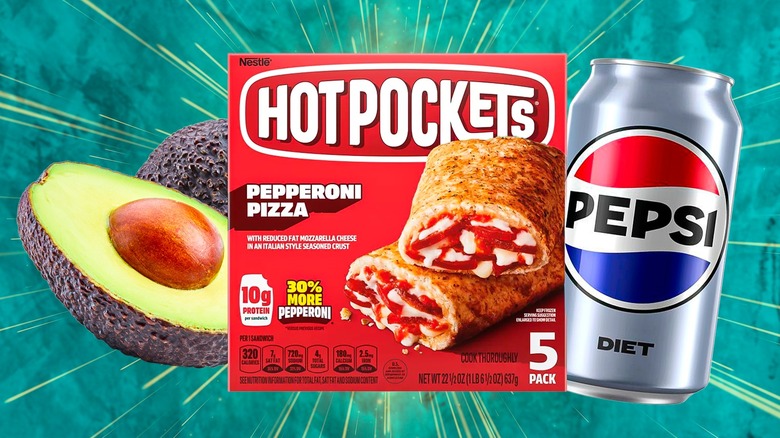
In the 1960s, the concept of diet soda was still relatively new. Royal Crown introduced Diet Rite, a sugar-free cola, in 1962. Pepsi quickly followed suit with its own version called Patio Diet Cola. Initially, the brand didn't fully commit to the product, even using small print to denote it as "product of Pepsi-Cola." However, after realizing the growing demand for diet beverages, Pepsi rebranded the product as Diet Pepsi in 1964. This change helped solidify its place in the market and made it one of the most recognizable soft drinks today.
Diet 7Up: A Name Change That Saved a Beverage
7Up’s original name for its diet soda was "Like," which failed to resonate with consumers. In 1969, the drink was pulled from the market due to concerns over the use of calcium cyclamate, a sweetener linked to potential cancer risks. After reformulating the recipe, 7Up rebranded the product as Diet 7Up, which proved more successful and helped restore consumer confidence.
Hot Pockets: A Rebrand That Made a Difference
Hot Pockets, now a household name, started as the Tastywich, a microwaveable sandwich created by the Merage brothers. Despite its innovative design, the Tastywich didn’t gain traction. It wasn’t until the product was renamed Hot Pockets that it found its audience. The new name helped distinguish it from other frozen meals and contributed to its widespread popularity.
Canola Oil: A Name Born from Necessity
Canola oil is derived from the seeds of Brassica plants, including rapeseed. The name "canola" comes from a combination of "Canada" and "oil," reflecting its origin. Originally known as rapeseed oil, the name change was necessary to differentiate it from the older, less appealing term and to avoid negative connotations associated with the word "rape."
Chilean Sea Bass: A Misleading but Successful Brand
Chilean sea bass, now a staple on fine dining menus, was originally known as Patagonian toothfish. Lee Lantz, a seafood industry player, rebranded the fish as Chilean sea bass to make it more appealing to American consumers. The name change helped the fish gain popularity despite its misleading classification.
Kiwifruit: From Chinese Gooseberry to National Symbol
Kiwifruit, now a global favorite, was initially called Chinese gooseberry. New Zealand growers renamed it kiwifruit in the 1950s to align with the country’s national identity. The name change helped boost exports and made the fruit more recognizable worldwide.
Milky Way Midnight: A Candy Bar’s Journey Through Time
The Milky Way candy bar has undergone several rebrands. Originally a chocolate malt milkshake-inspired bar, it evolved into two versions: the regular Milky Way and the vanilla-and-dark chocolate blend known as Forever Yours. After being discontinued, the dark chocolate version was revived as Milky Way Dark and later renamed Milky Way Midnight.
Pepsi: From Brad’s Drink to a Global Icon
Pepsi began as "Brad's Drink," a creation by pharmacist Caleb Bradham. After a rebranding, it became Pepsi-Cola, a name inspired by the digestive enzyme pepsin. The name change helped the beverage gain traction, leading to its current status as a major soft drink brand.
Salisbury Steak: A Dish with a Rich History
Salisbury steak, named after Dr. James Henry Salisbury, was originally called "muscle pulp of beef." It gained popularity during the Civil War as a remedy for gastrointestinal issues. Over time, the dish was renamed and adopted by the U.S. Navy, eventually becoming known as Salisbury steak.
Avocados: A Fruit with a Colorful Past
Avocados, now a staple in many diets, were once known as ahuacate, a term derived from an Aztec word meaning "testicle." California farmers changed the name to avocado, making it more accessible and easier to pronounce for American consumers.
Dried Plums: From Prunes to a Healthier Image
Prunes, once associated with constipation, were rebranded as dried plums to improve their image. This change helped increase sales and appeal to a broader audience.
Dunkin' Donuts: A Name That Captures the Essence
Dunkin' Donuts started as Open Kettle, a doughnut shop in Massachusetts. The name was changed to Dunkin' Donuts to reflect the act of dunking a donut in coffee, a key part of the brand’s identity. Today, it is one of the most recognized coffee and doughnut chains in the U.S.
Popeyes: A Spicy Success Story
Popeyes, originally named Chicken on the Run, was rebranded to reflect its unique Cajun-style fried chicken. The name change helped the chain stand out in a competitive market and led to its current success as a popular fast-food restaurant.

Post a Comment for "Famous Foods That Failed Until They Rebranded"
Post a Comment