Faith Leaders Address Growing Fear from Immigration Raids
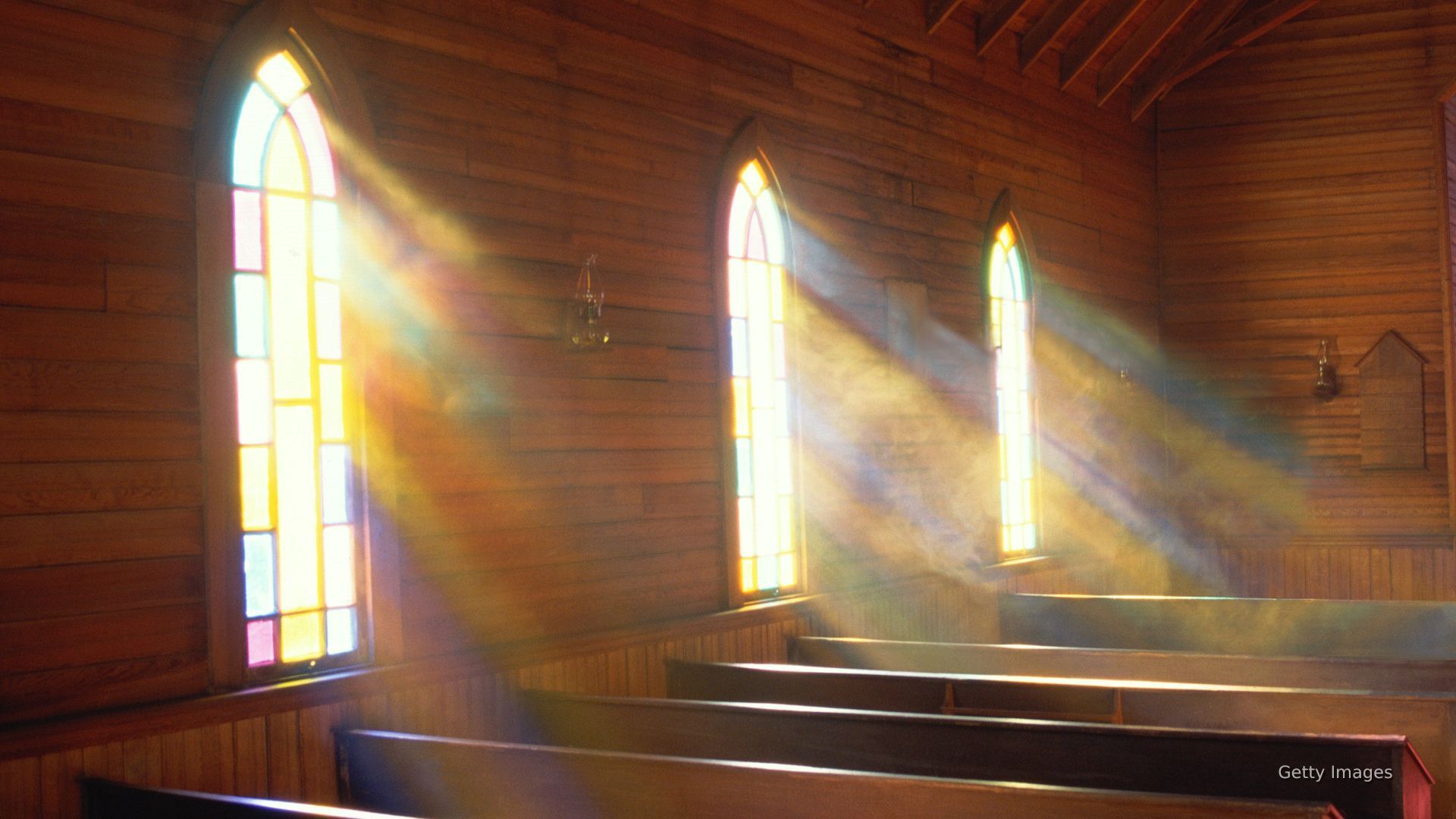
Religious Leaders Challenge Immigration Enforcement Policies in Lawsuit
As immigration enforcement continues to intensify across the United States, religious leaders are taking a stand through legal action. They argue that these policies are creating an atmosphere of fear and disrupting essential religious services. The Greater Milwaukee Synod of the Evangelical Lutheran Church recently joined a coalition of faith groups in filing a lawsuit against the Department of Homeland Security and Secretary Kristi Noem. This move highlights a growing concern among religious communities about the impact of immigration enforcement on their ability to practice freely.
Faith Groups Take Legal Action Against Enforcement Policies
The lawsuit outlines what the groups describe as an "aggressive immigration policy" that is generating fear and interrupting religious gatherings. Bishop Paul D. Erickson, representing the Milwaukee Synod, stated, "We are witnessing an unprecedented assault on religious liberty, as ICE raids have created a climate of fear and division, preventing people of all faiths and citizenship statuses from gathering for prayer and receiving vital services. Silence in the face of such oppression is simply not an option."
Several faith groups, including Lutheran synods, Quaker meetings, Baptist organizations, and Metropolitan Community Churches, are uniting in court. Their goal is to restore protections so that houses of worship can remain safe and welcoming spaces for all individuals.
Collaboration with Democracy Forward
These faith groups have partnered with Democracy Forward, a nonprofit legal firm known for challenging the Trump administration on various issues. Earlier this year, Democracy Forward filed a similar case for Quaker communities, and a federal judge in Maryland blocked immigration raids on their properties. However, the injunction only applied to the specific groups involved, not nationwide. This new lawsuit aims to extend those protections to other houses of worship, ensuring broader coverage and support for religious institutions.
Legal Arguments Focused on Religious Freedom
The lawsuit challenges the policy that allows ICE to make arrests at places of worship, arguing it violates the First Amendment and the Religious Freedom Restoration Act by imposing an unfair burden on the right to worship freely. It also claims the government ignored legal requirements when it overturned a decades-old policy without explanation.
For over three decades, the federal government has avoided immigration enforcement at sensitive locations like houses of worship. The goal was clear: protect people's right to attend religious services without fear of raids or arrests. Under this rule, agents could only act at or near these sites in urgent situations, or after getting approval from supervisors who were bound to keep enforcement away whenever possible. If enforcement was necessary, officers had to be discreet and minimize disruption to the community.
In January 2025, the Department of Homeland Security abruptly scrapped these protections. Acting Secretary Benjamin Huffman issued a memo stripping away clear guidelines and handing enforcement decisions over to individual agents' "common sense," without any rules.
Rising Fear and Declining Attendance in Churches
Since then, immigration actions near churches and other sacred spaces have surged. Faith leaders say this new approach is chilling religious practice and weakening their communities. Church leaders are allowing members to skip services if they fear immigration enforcement. For example, after a recent enforcement sweep in Nashville, the Diocese told worshippers they don't have to attend Sunday Mass if they feel at risk. Attendance at two major Spanish-speaking parishes dropped about 50%.
Fear Radiating Through Church-Based Food Pantries
Faith groups are also seeing fewer families at their food pantries. The lawsuit says many are skipping meal programs or going without food out of fear of being detained by ICE. In June, Straight Arrow News highlighted the rising demand for food banks, noting that federal funding cuts have worsened the situation.
Food insecurity is rising again, with more Americans struggling to afford enough food. The 2025 Feeding America survey finds that people in food-insecure households need an extra $22.37 per person each week to meet their basic food needs. That’s a 5.1% increase from last year’s $21.28, and a 1% rise after adjusting for inflation. Since 2020, the gap has grown by 55%, indicating that inflation in 2022 and high prices in 2023 aren’t the only factors at play.

Post a Comment for "Faith Leaders Address Growing Fear from Immigration Raids"
Post a Comment