Extreme Heat Sparks Rise in Road Rage
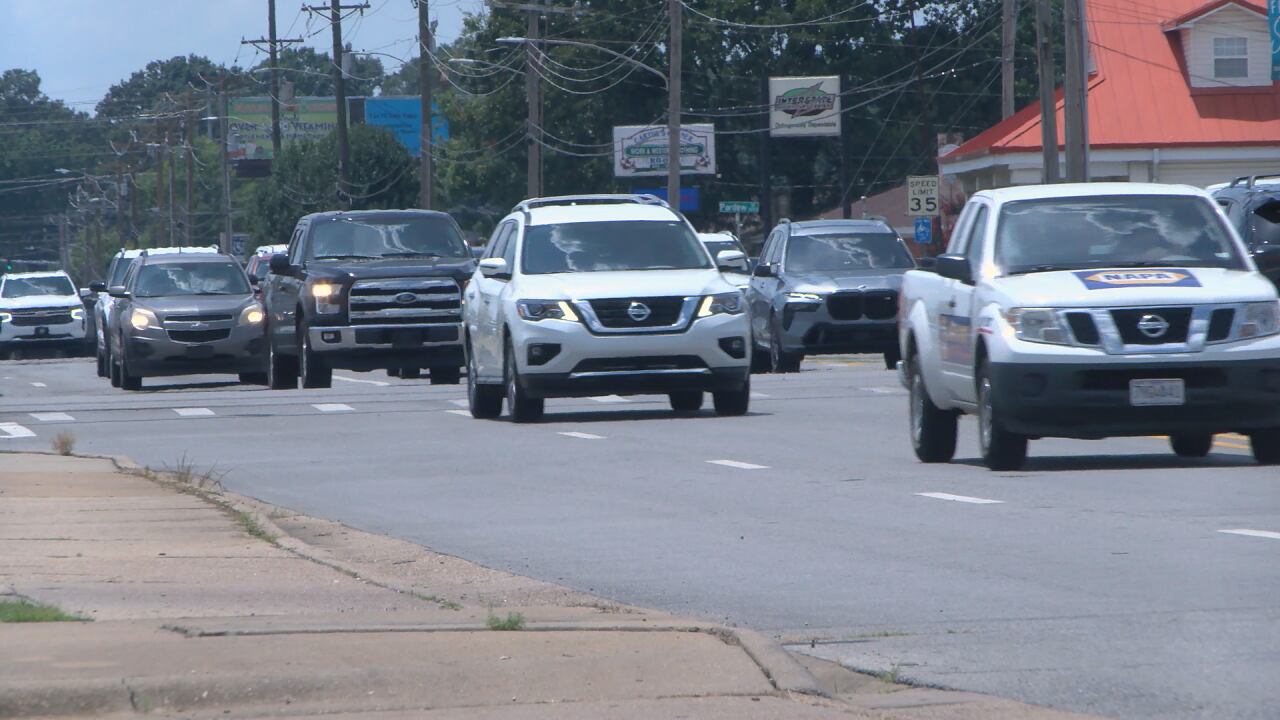
The Impact of Heat on Driver Behavior
As temperatures rise during the summer months, so does the risk of road rage. According to “The Lancet Planetary Health,” extreme heat can significantly affect human behavior, leading to increased frustration, impulsivity, and aggression. This is especially true for drivers who are exposed to prolonged periods of heat while behind the wheel.
Alexandra Cromer, a licensed professional counselor at Thriveworks in Harrisonburg, explains how heat can negatively impact drivers. She notes that common effects include irritability, overstimulation, difficulty focusing, and an overall sense of discomfort. The intense sensory experience of heat can be overwhelming, making it harder for drivers to maintain control and composure.
Some individuals are more vulnerable to these effects than others. For example, people who drive for a living or commute long distances may feel the impact of heat more acutely. According to Thriveworks’ “Pulse on Mental Health Report,” one in four people identifies extreme weather events as a major source of anxiety. Cromer adds that when faced with oppressive environmental conditions, managing everyday stress becomes more challenging.
Coping Strategies for Hot Weather Driving
To manage the effects of heat while driving, Cromer recommends several coping strategies. Taking deep breaths can help calm the mind and reduce stress. Listening to music or podcasts can also serve as a distraction from the discomfort of the heat, allowing drivers to focus better on the road.
Additionally, she emphasizes the importance of being aware of the potential side effects of medications. Certain drugs, such as SSRIs (antidepressants) or stimulants, can increase sensitivity to heat. Drivers taking these medications should consult their healthcare providers to understand any risks associated with hot weather.
Dealing with Road Rage
If you find yourself a victim or witness to road rage, it’s important to know how to respond. Morgan Dean, a spokesperson for AAA Mid-Atlantic, offers some practical advice. If another driver is angry and trying to provoke a reaction, avoid eye contact and move to a different lane. If you feel unsafe, pull over to a public place like a fire station or police station.
Dean also suggests that if you accidentally cause a situation, apologizing quickly can help de-escalate the tension. Even if you didn’t do anything wrong, a simple apology can make a big difference in preventing further conflict. He explains that sometimes, just acknowledging the situation can diffuse it entirely.
Recognizing Signs of Aggressive Driving
Road rage often begins with aggressive driving behaviors. These can include speeding, tailgating, or other reckless actions that signal a driver is becoming increasingly upset. Recognizing these signs early can help prevent a potentially dangerous situation from escalating.
Dean warns that road rage can lead to serious consequences, including injury or even death. In addition to physical harm, incidents involving road rage can have long-term effects on insurance policies. If a driver is involved in an accident and faces criminal charges, their insurance rates could skyrocket. In some cases, they might even lose their coverage entirely, making it difficult to find new insurance.
Staying Safe During Hot Weather
With rising temperatures and heavy traffic during the summer, Dean encourages drivers to remain mindful of their behavior. He advises taking a deep breath before getting on the road, especially during peak travel times. By staying calm and focused, drivers can help reduce the risk of conflicts and keep the roads safer for everyone.
Ultimately, understanding the effects of heat on driver behavior and knowing how to respond to road rage can make a significant difference in preventing dangerous situations. By staying informed and proactive, drivers can contribute to a safer and more comfortable environment on the road.

Post a Comment for "Extreme Heat Sparks Rise in Road Rage"
Post a Comment