Explosion at U.S. Steel Plant Sparks Uncertainty Amid Major Investments
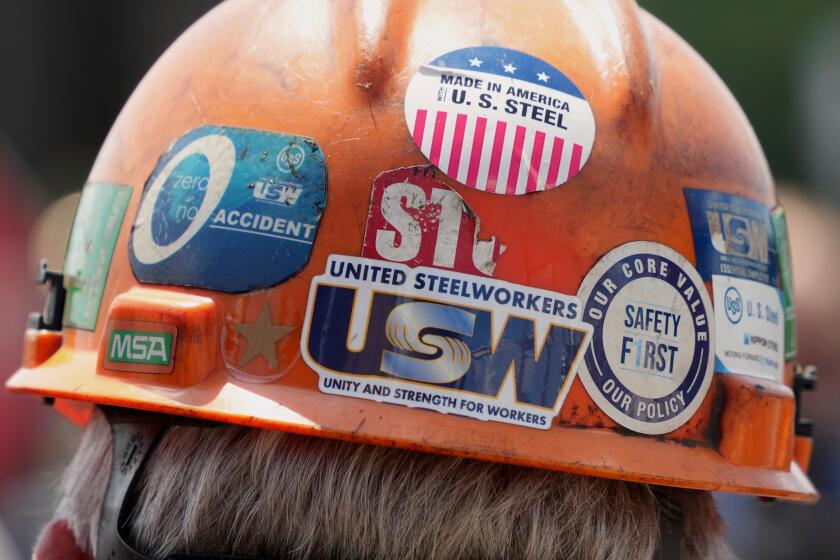
The Future of U.S. Steel in the Shadow of a Tragedy
The recent fatal explosion at U.S. Steel's Pittsburgh-area coal-processing plant has reignited discussions about the company’s long-term viability, especially as it emerges from a prolonged period of uncertainty. This incident has come at a time when the steel industry in the United States has experienced a resurgence, driven by supportive policies from Washington, including tariffs on foreign imports and legal actions against Chinese steel.
Over the years, administrations have implemented measures that have helped boost steel prices, company profits, and stock values. President Trump’s administration, for instance, delayed new hazardous air pollution requirements for coke plants like Clairton Coke Works, where the explosion occurred. Additionally, the administration approved U.S. Steel’s $15-billion acquisition by Nippon Steel, a Japanese steelmaker.
Nippon Steel's investment has brought promises to continue steelmaking operations in the Mon Valley, an area historically linked with steel production. David Burritt, U.S. Steel’s chief executive, emphasized this commitment during a news conference following the explosion, stating, “You can count on this facility to be around for a long, long time.”
A Test for Nippon Steel
The explosion, which killed two workers and hospitalized ten others, has raised questions about whether it will impact Nippon Steel's plans for the Clairton plant. The cause of the blast is still under investigation, and the facility, one of the largest coking operations in North America, remains a critical part of the U.S. steel industry.
The explosion could test Nippon Steel’s dedication to maintaining the nearly 110-year-old plant or force the company to allocate more resources than anticipated. While Nippon Steel has not commented directly on how the incident might affect its approach, a spokesperson stated, “Our commitment to the Mon Valley remains strong,” and mentioned sending technical experts to support local teams at the plant.
U.S. Steel officials have reiterated their focus on safety, noting that they spend $100 million annually on environmental compliance at Clairton alone. However, repairing the damaged facilities may prove costly, and the investigation into the explosion could uncover further issues.
A History of Incidents
Clairton has a history of accidents, including an explosion in February that injured two workers. Even before Nippon Steel finalized its acquisition, the plant faced environmental issues, such as hydrogen sulfide emissions that caused a foul odor in the surrounding area. Environmental groups have documented numerous violations, leading to significant fines and settlements.
A lawsuit over a 2018 fire at the plant highlighted concerns about maintenance and design flaws. An engineer involved in the case noted that U.S. Steel lacked an effective maintenance program, describing the plant as inherently dangerous due to its poor condition.
Modernization or Relics?
The question of whether Nippon Steel will modernize the Clairton plant remains unanswered. Central to Trump’s approval of the acquisition was Nippon Steel’s promise to invest $11 billion in U.S. Steel’s aging facilities. However, much of the funding is expected to go toward upgrading the finishing mill rather than the older coke plants.
For years, U.S. Steel had indicated that the Mon Valley plants were at risk of closure, causing uncertainty among workers. Many believed that job opportunities would not last, leading to challenges in filling positions.
The Legacy of Steelmaking
U.S. Steel’s Mon Valley plants are relics of a bygone era when steel production dominated the country. In the 1970s, the U.S. led the world in steel production, supported by numerous coke plants and blast furnaces. However, the industry has since declined, with foreign competition and the shift to electric arc furnaces reducing reliance on coal-based methods.
Despite this, blast furnaces remain important for producing metals preferred by various industries. However, analysts like Christopher Briem question whether the Clairton plant can survive given its age and condition, especially if economic conditions worsen or market fundamentals change.
As the future of U.S. Steel hangs in the balance, the lessons from the past and the challenges ahead will determine whether the Mon Valley remains a hub of steelmaking or fades into history.

Post a Comment for "Explosion at U.S. Steel Plant Sparks Uncertainty Amid Major Investments"
Post a Comment