Experts Warn: Avoid This Common Household Item for Pest Control
Understanding the Science Behind Essential Oils and Pest Repellency
In recent years, social media has been flooded with claims that essential oils are a safe and effective alternative to traditional pesticides. Many people swear by these natural oils for repelling or even killing various pests, including ants, spiders, ticks, mosquitoes, bed bugs, cockroaches, scorpions, termites, fleas, and more. But is there any scientific basis for these claims? Do essential oils actually have the power to keep pests at bay?
The answer isn’t straightforward. According to Eric Benson, PhD, professor emeritus and extension entomologist at Clemson University, it’s understandable why there’s so much interest in natural alternatives. “We’re all looking for products that don’t persist in the environment long,” he explains. However, it's crucial to understand what essential oils can and cannot do.
What Are Essential Oils?
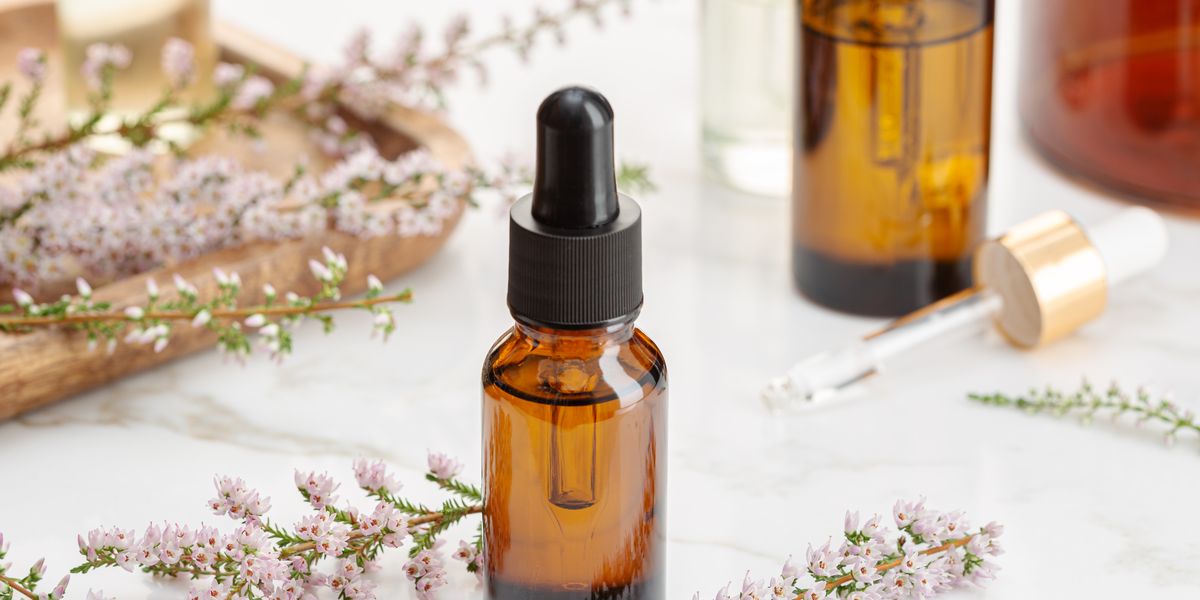
Essential oils come in a variety of types, such as peppermint, lemongrass, citronella, rosemary, geranium, and cedarwood. Johnalyn Gordon, PhD, assistant professor of urban entomology at the University of Florida, describes them as concentrated extracts of volatile compounds from plants. These compounds evaporate quickly, which is why essential oils are popular for their fragrance and ability to freshen up a space.
However, this volatility also means they don’t last very long. “The reason they tend to have strong odors and may be repellent to pests when freshly applied is because they evaporate quickly,” says Gordon. Once the volatile compounds have dissipated, the repellency effect is significantly reduced.
Do Essential Oils Repel Pests?
Research on the effectiveness of essential oils in repelling pests has shown mixed results. While some lab studies suggest that certain essential oils can repel or even kill pests like bed bugs, spiders, and cockroaches, real-world applications often fall short. Gordon points out that lab conditions don’t always translate well to practical use.
One key issue is that most essential oils are not designed for long-term pest control. “With pests such as cockroaches and bed bugs, you need products with good residual control,” says Benson. Unlike many insecticides, essential oils biodegrade quickly due to light, heat, and humidity. This means they require frequent reapplication, which can be costly.
Another concern is the potential health risks associated with improper use. Most essential oils are concentrated and should be diluted before use. Using them in high concentrations can cause eye or skin irritation, especially for those with sensitive skin.
The Limitations of Natural Solutions
Natural doesn’t always mean safe. Some essential oils can be harmful to pets, particularly dogs, whose noses are highly sensitive. The ASPCA warns that essential oils may lead to serious health consequences for pets, including cats, dogs, small animals, and birds.
Moreover, pests can carry diseases. Flies and cockroaches can mechanically transfer pathogens, potentially making you sick. Cockroach debris is also linked to allergies and asthma. Even if essential oils repel pests, they don’t eliminate all life stages. For example, if adult fleas are repelled, their eggs and larvae could still remain in your home, waiting for the right conditions to hatch.
Essential Oils and Mosquito/Tick Repellants
Using essential oils to repel mosquitoes and ticks is another popular trend. However, these oils may not provide adequate protection against serious illnesses like West Nile virus, Zika virus, Lyme disease, and Rocky Mountain spotted fever. According to Daniel Markowski, PhD, technical advisor for the American Mosquito Control Association, most research on plant extracts suggests that formulated versions are more effective than pure essential oils.
Additionally, even at high concentrations, essential oils offer less protection than conventional repellents like DEET. This means more frequent reapplication is needed. For reliable protection, experts recommend using EPA-approved repellents, which have been tested for both safety and effectiveness.
Final Thoughts
While essential oils may play a role in integrated pest management, they are not a standalone solution for heavy infestations. For mosquito and tick repellants, EPA-approved options are more reliable. If you choose to use essential oils, be aware of the potential risks, including contact dermatitis, which can lead to severe reactions.
Ultimately, while essential oils have their place in everyday use, they should not be relied upon as a primary method for pest control. Always follow product instructions and consider professional advice when dealing with persistent infestations.

Post a Comment for "Experts Warn: Avoid This Common Household Item for Pest Control"
Post a Comment