Experts Reveal Hidden Autism Signs in Adults: Essential Knowledge
Common Signs of Autism in Adults
Many individuals, especially women, often go undiagnosed with autism until they reach adulthood. This can be due to a variety of factors, including societal pressures and the way autism is typically identified. According to Dr. Megan Anna Neff, a clinical psychologist based in Oregon, a recent study found that 80% of women with autism remain undiagnosed by age 18. The reasons for this are complex and multifaceted.
One key issue is that the diagnostic tools used today were developed primarily on white boys from high socioeconomic backgrounds. Stephanie Gardner-Wright, a licensed master social worker and certified autism clinical specialist in Michigan, highlights that these tools may not accurately reflect the experiences of all autistic individuals. Additionally, there's a tendency to focus more on external signs rather than internal symptoms, which can vary significantly from person to person.
“There are so many ways that autism can show up and present,” Neff explains. “I think there’s more diversity within autism than there is between autism and allistic.” (Allistic people are those who are not on the autism spectrum.)
Despite the challenges, there are several signs that undiagnosed autistic adults may recognize in themselves. Mental health professionals, including some who are neurodivergent themselves, have shared insights into these indicators.
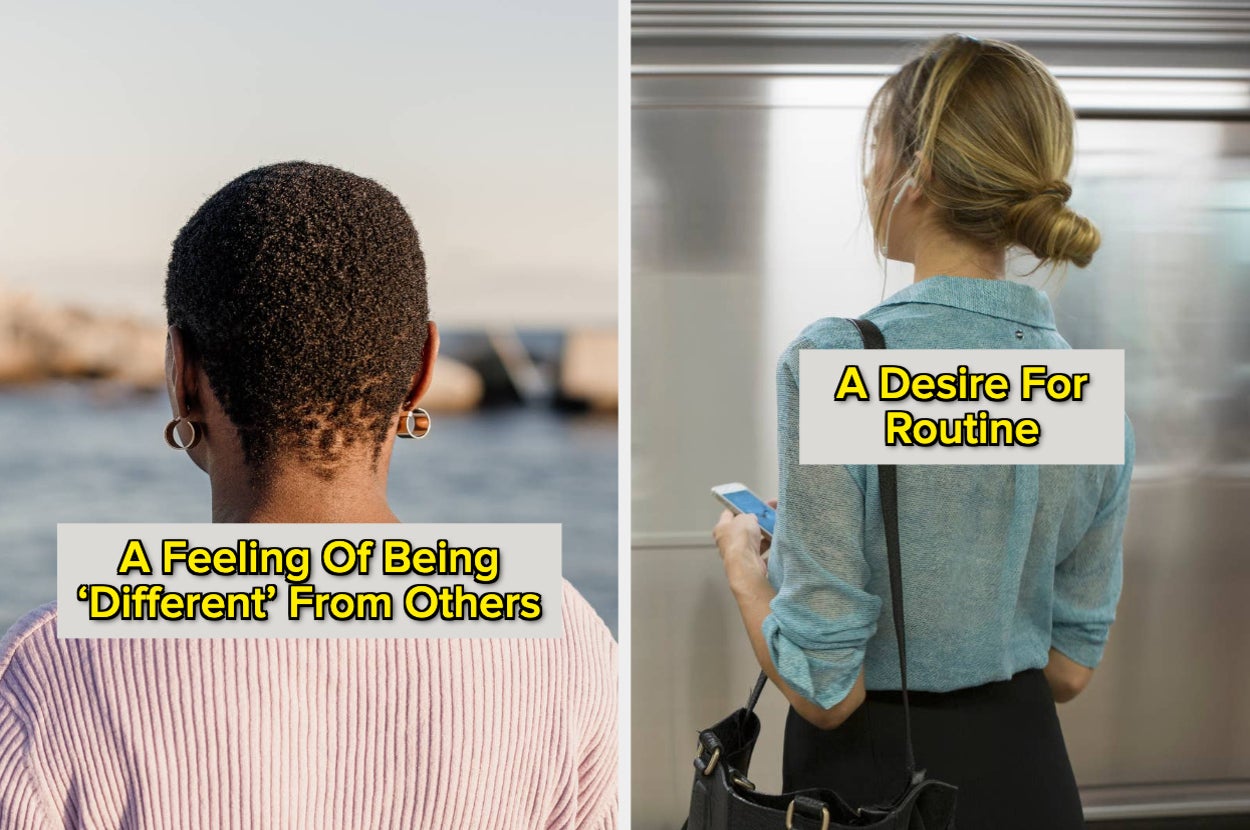
Feeling Different From Others
A common experience among autistic individuals is feeling different from others. Brandon Tessers, director of Effective Artistry, a therapy group that supports neurodivergent people, notes that some describe it as "feeling like an alien sometimes." Dr. Vanessa Bal, director of the Center for Adult Autism Services Psychological Services Clinic at Rutgers University in New Jersey, adds that many describe it as a "lifetime experience of feeling different."
This feeling is distinct from the occasional sense of being an outsider that everyone experiences. For autistic individuals, it tends to be persistent and not limited to specific periods, such as middle school, according to Bal. However, it's important to note that not all autistic people feel like outsiders all the time. Some find settings that are more inclusive, and as they grow older, they may feel more comfortable with their identity and see their differences as strengths.
Difficulty With Social Cues
Social cues can be challenging for those with undiagnosed autism. They may struggle with understanding how much eye contact is appropriate or when to stop smiling during a conversation. While some learn to mask these uncertainties, it's not an innate skill, as it is for non-autistic individuals.
Confusing Relationship Histories
Many undiagnosed autistic adults report complicated relationship histories, both romantic and platonic. Relationships may seem to end suddenly without clear reasons, leading to confusion about why things fall apart. Neff suggests that this can be due to a lack of understanding of why relationships fail when others' do not.
Sensory Differences
Sensitivity to sensory input is another potential sign of autism. Individuals may be hyper-aware of certain sounds or completely unaware of them. Gardner-Wright notes that while non-autistic people tend to have a consistent response to sensory stimuli, autistic individuals may react differently.
Desire For Routine
Consistency is often crucial for many autistic individuals. Neff explains that the unpredictable nature of the world makes routine a form of self-soothing. Disruptions to routines can lead to strong emotions, such as irritability or anxiety. Routine can take many forms, from preferring a specific mug every morning to engaging in repetitive behaviors known as stimming.
Need For Solitude
Autistic individuals often require solitude to recharge after social or overstimulating situations. Gardner-Wright points out that this need for alone time is a typical hallmark of autism. Bal adds that this exhaustion stems from "camouflaging" or "masking," where individuals hide aspects of themselves to fit in. This can lead to feelings of depletion and a need for long periods of rest.
Intense Interests
A deep passion for a particular activity or subject is common among autistic individuals. Neff notes that this interest can serve as a way to self-soothe and can become a central part of their life. Unlike allistic people, who may have special interests but not let them define their entire worldview, autistic individuals often relate everything to their specific interest.
Dislike Of Small Talk
Small talk can be exhausting for many autistic individuals. Neff states that they often avoid it, possibly structuring their lives or careers to minimize such interactions. Gardner-Wright adds that autistic individuals typically prefer deep, meaningful conversations.
Desire For Direct Communication
Autistic individuals often value straightforward and honest communication. Gardner-Wright emphasizes that clear communication is a strong preference. Neff notes that while autistic individuals may appear literal, it's more accurate to say they are visual in their communication style. They tend to say what they mean without embellishment.
If you recognize these signs, exploring resources like the hashtag #actuallyautistic on social media can provide insight into lived experiences. Gardner-Wright recommends connecting with autistic communities to better understand your own journey. Discovering one's autism as an adult can be validating, though it may also involve a grieving process for missed opportunities.
For further guidance, websites like embrace-autism.com offer free screening tools and information. It's also important to seek out mental health professionals who are neurodivergent-affirming or -informed. Bal emphasizes the need for better training for medical and mental health professionals regarding autism.
Supportive communities, both online and offline, can be invaluable. Whether through hashtags like #actuallyautistic or local organizations, finding a network of understanding individuals can make a significant difference.

Post a Comment for "Experts Reveal Hidden Autism Signs in Adults: Essential Knowledge"
Post a Comment