Ex-Officer Faces Denial After Embezzlement Allegations
Background of the Case
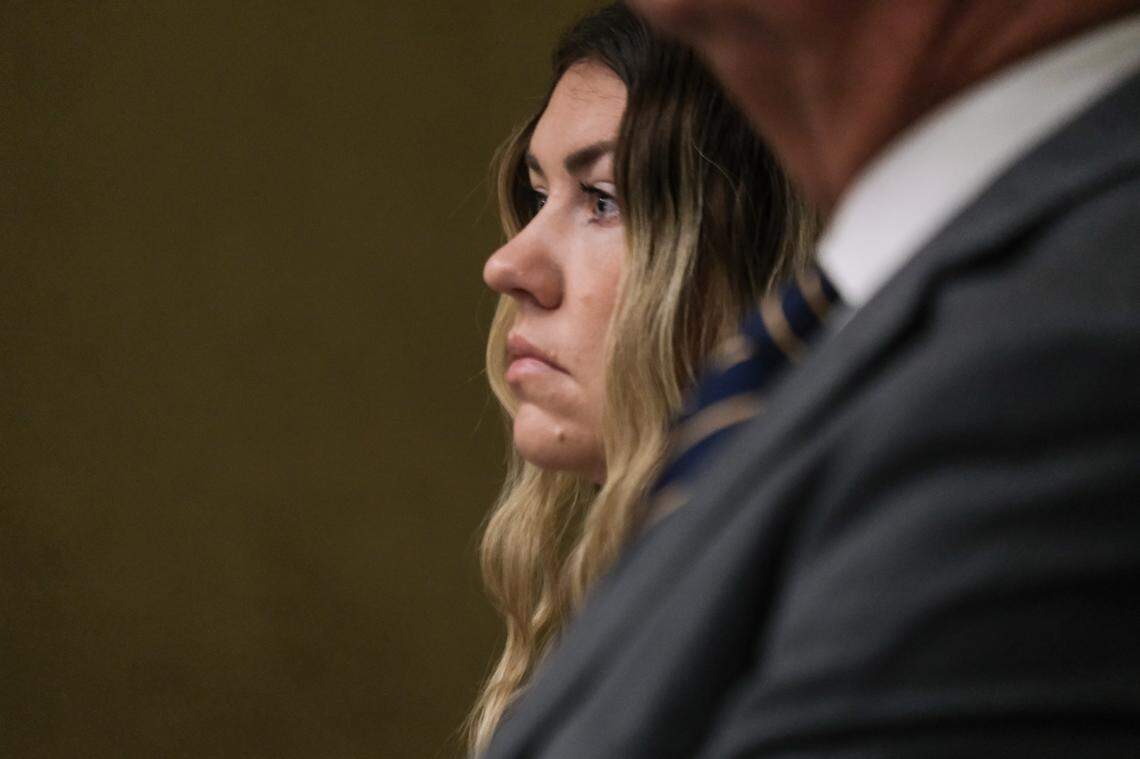
Fallyn Rollins, a 31-year-old former San Luis Obispo County probation officer, has been charged with nine felony counts of grand theft by embezzlement. According to the allegations, she stole at least $160,000 from the department's union while serving as its treasurer. The case has sparked significant attention due to the nature of the charges and the legal proceedings that followed.
Rollins was denied mental health diversion, which means she will not have the opportunity to erase the embezzlement charges from her record. This decision came after a hearing in which the court ruled that the evidence did not support the claim that she was experiencing symptoms of her diagnosed mental health condition at the time of the alleged crimes.
Legal Arguments and Testimonies
During the July 16 hearing, Rollins’ attorney, Robert Sanger, argued that her actions were a result of her bipolar II diagnosis, which can lead to impulsive spending. Dr. Carolyn Murphy, a forensic psychiatrist who evaluated Rollins, testified that her mental health played a "significant factor" in the alleged crimes. However, Dr. Murphy also noted that Rollins met the criteria for bipolar I, indicating a more severe form of the disorder.
On the other hand, San Luis Obispo County Deputy District Attorney Ben Blumenthal contested this argument. He claimed that Rollins' purchases were well-thought-out decisions aimed at covering bills and other typical expenses. This contrast in perspectives formed the core of the legal debate.
Judge’s Ruling and Reasoning
In a Tuesday hearing, San Luis Obispo Superior Court Judge Rita Federman denied Rollins’ request for mental health diversion. Her reasoning centered on the lack of evidence showing that Rollins was experiencing symptoms of her mental health disorder at the time of the alleged crimes.
Federman highlighted that bipolar disorder is cyclical and often involves impulsive and erratic behavior. She pointed out that Rollins made a conscious decision every month for 18 months to write checks to herself, deposit the funds, and use them for her living expenses. This pattern of behavior did not align with the typical manifestations of the disorder.
Additionally, Federman noted that Dr. Murphy’s understanding of Rollins’ criminal activity was "rudimentary," as she did not directly connect the 18-month period of alleged misconduct with manic episodes. The judge also emphasized that Rollins excluded her partner from the criminal activity, which suggested that she was not acting impulsively or exercising poor judgment each time she wrote a check to herself.
Financial Details and Behavioral Patterns
According to Federman, Rollins regularly wrote herself checks ranging from $608 to $9,980, typically around the first of the month and in the middle of the month. This pattern does not correspond to what is typically seen in hypomania, a milder form of mania associated with bipolar II.
The judge stated that there was no evidence that Rollins was experiencing manic or hypomanic episodes regularly at the beginning and middle of the month. Furthermore, there was no evidence that hypomania would manifest itself in a regular, routine pattern that could correspond to the alleged crimes.
Next Steps in the Case
Sanger requested the court to delay Rollins’ arraignment to September 29 and also asked to remove her ankle monitor, which will be decided at that time. These requests highlight the ongoing legal process and the potential for further developments in the case.
The case continues to draw attention due to its implications for mental health and the legal system's approach to such cases. As the legal proceedings unfold, the focus remains on the evidence presented and the interpretation of Rollins’ actions in the context of her mental health diagnosis.

Post a Comment for "Ex-Officer Faces Denial After Embezzlement Allegations"
Post a Comment