Evaluating the WHO's New Health Guidelines
Rejection of WHO Pandemic Guidelines Sparks Debate
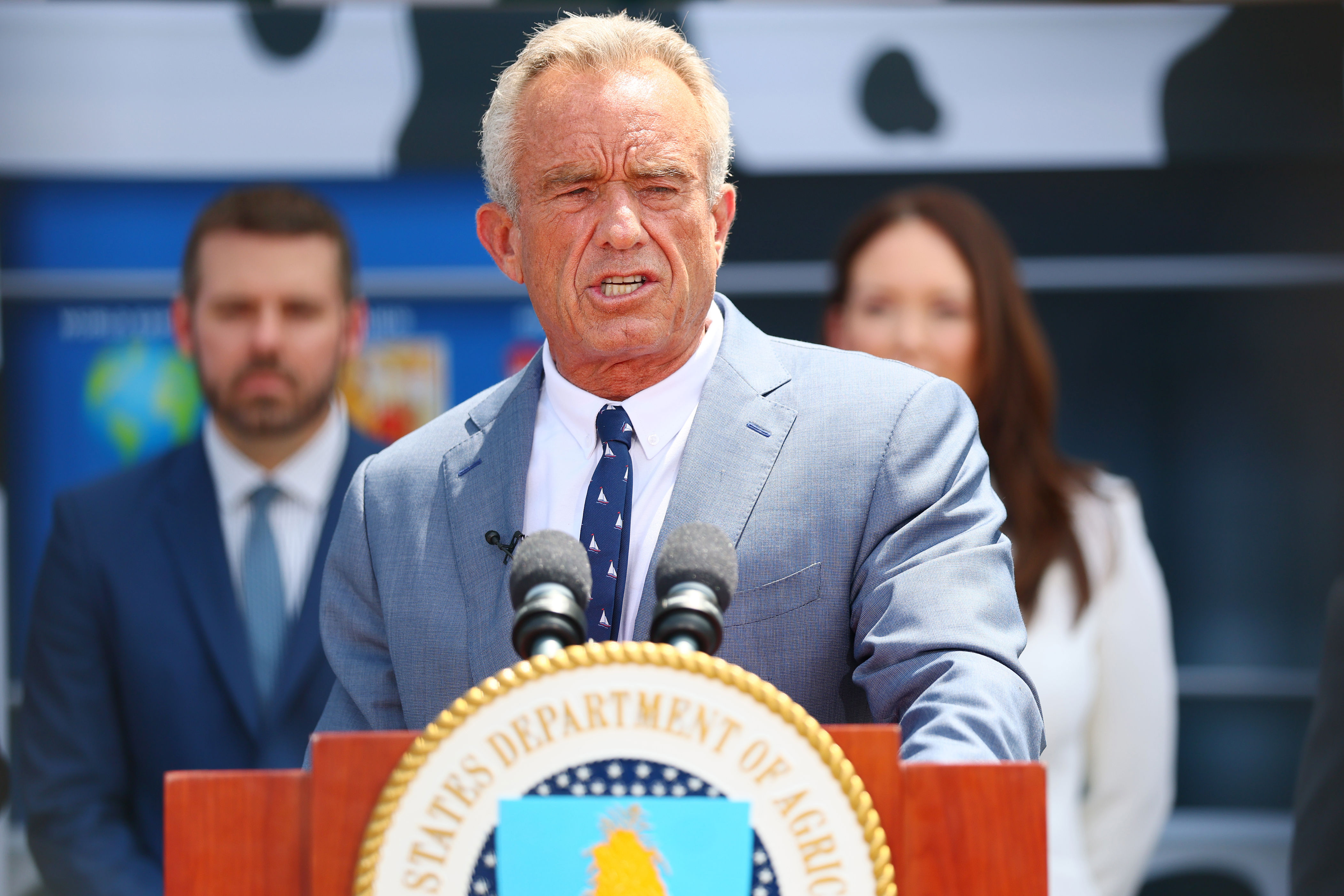
Health and Human Services Secretary Robert F. Kennedy Jr. recently made headlines with his strong opposition to the World Health Organization’s (WHO) 2024 updates to global pandemic response guidelines. Alongside Secretary of State Marco Rubio, he issued a joint statement rejecting the proposed changes, which they argue could undermine national sovereignty and allow the WHO to impose measures such as lockdowns or travel restrictions without sufficient oversight.
The updated International Health Regulations (IHR), set to become binding by July 19, 2025, are seen by some as a potential threat to U.S. autonomy. However, experts point out that the IHR has never included enforcement powers, and the 2024 amendments do not alter this fundamental aspect. Despite this, the U.S. government has taken a firm stance against the revisions, citing concerns over foreign influence in domestic health policies.
Kennedy voiced similar concerns in a separate video released on the same day, emphasizing the importance of maintaining national control over public health decisions. While President Donald Trump signed an executive order withdrawing the U.S. from the WHO at the start of his second term, the withdrawal is not expected to take effect until January 22, 2026. This means the U.S. will still be bound by the IHR during this period.
The IHR, first established in 1951, has served as a framework for coordinating global public health efforts among 196 nations. Although the regulations are considered legally binding, they do not grant the WHO any authority to enforce compliance. Article 3 of the most recent IHR edition, passed in 2005, explicitly states that nations have the right to legislate and implement their own health policies.
The 2024 amendments introduce new structures, including a WHO committee responsible for overseeing public health guidelines and national IHR authorities that communicate with the committee. However, these updates lack any concrete mechanisms for ensuring compliance. Experts like Lawrence Gostin, a distinguished university professor and founding chair of the O’Neill Institute for National and Global Health Law at Georgetown University, emphasize that the WHO has no power to mandate lockdowns, vaccine requirements, or mask mandates.
Gostin clarified that the IHR actually protects state sovereignty. “The WHO has no power whatsoever to order global lockdowns, vaccine or mask mandates, or any other policy,” he stated. “Even if WHO did have these powers, the IHR provides no enforcement mechanism. The claims by Secretaries Kennedy and Rubio are completely made up.”
Despite these expert opinions, the Health and Human Services Department remains steadfast in its rejection of the IHR updates. An HHS spokesperson emphasized the administration's commitment to protecting U.S. sovereignty and constitutional rights. “The United States will not adhere to any International Health Regulations that infringe on our sovereignty or constitutional rights,” the spokesperson said. “The joint statement by Secretary Kennedy and Secretary Rubio makes clear: we reject foreign interference in how we manage public health and communicate with the American people.”
As the debate continues, the issue highlights the complex balance between international cooperation and national autonomy in global health governance. The U.S. stance reflects broader concerns about the role of international organizations in shaping domestic policies, even as experts stress the limitations of the WHO’s authority.

Post a Comment for "Evaluating the WHO's New Health Guidelines"
Post a Comment