EV Sales Surge in 2025 as Driving Experience Matches Petrol Cars
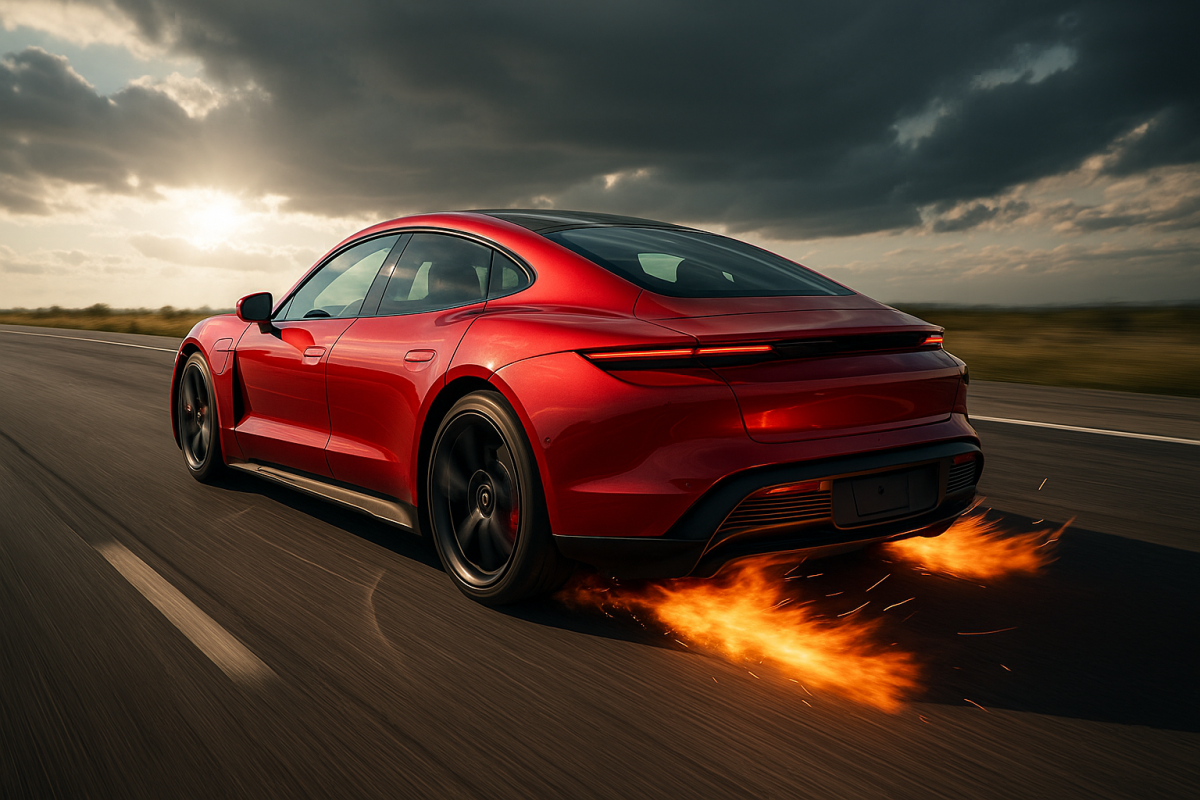
Performance and Drive Feel That’s Fully Charged
Modern electric vehicles (EVs) deliver a level of throttle response that makes traditional turbocharged petrol engines seem sluggish. The steering is precise, with just the right amount of weight to make quick lane changes feel natural rather than erratic. Thanks to a low-slung battery pack, body roll is minimized—this is true even in family crossovers.
When compared to a similar-sized internal combustion engine (ICE) SUV, the electric alternative feels as though it's been waiting all day to move. It maintains stability over uneven surfaces, and cabin noise is reduced to a whisper, making tire and wind sounds the only cues you notice when accelerating. It's not just about straight-line speed—cornering is flatter, braking is more immediate, and regenerative systems now feel progressive instead of abrupt.
Real-World Usability: Range, Cabin Comfort, and Running Costs
The surge in EV sales can be attributed to their ability to fit seamlessly into daily life. Many mainstream models now offer ranges exceeding 300 miles, which covers most drivers' weekly needs without requiring frequent top-ups.
A recent example includes the Polestar 3 (Long Range, single-motor variant), which drove 581.3 miles (935 km) on a single charge in the UK, earning a Guinness World Record for range on an electric SUV. Fast-charging networks are expanding in key markets, with more than 250 kW stations that can add 200 miles in just 20 minutes.
Inside, minimalist dashboards keep drivers focused forward, and controls are intuitive. Rear passengers enjoy generous legroom, while clever storage solutions like front trunks and under-floor compartments make better use of space than many petrol-powered competitors. Efficiency is where EVs excel: 3–4 miles per kWh is common, and with home charging costs well under $0.15/kWh in many U.S. states, fuel costs become almost negligible.
Even though EV prices remain 20%-40% higher than their ICE equivalents, the total cost of ownership favors electric once you factor in lower maintenance—no oil changes, no exhaust systems, and fewer moving parts to service.
How the Numbers Stack Up Against the Market
The 9.1 million EVs sold in the first half of 2025 puts the year on track to surpass the 20 million mark for the first time. For context, the entire year of 2024 saw just over 17 million EVs sold worldwide. China remains the largest driver of volume, accounting for more than half of global EV sales. Europe’s growth is supported by stricter emissions regulations, while the U.S. market remains steady.
In Q2 2025, 310,839 EVs were delivered in the U.S., slightly down from the previous year but still the second-best quarter on record. Against hybrids and petrol sedans, EVs now compete on performance, cost, and livability—not just eco-cred. The gap between EVs and traditional vehicles is closing rapidly, and 2026 may be the year when global EV share passes one in four new cars sold.
Verdict: A Record Worth Feeling Behind the Wheel
The half-year sales record is as much a driving story as a market one. Electric cars now steer with confidence, accelerate without delay, and make long drives calmer and cleaner. The days of trading comfort or range for the sake of going electric are ending.
From behind the wheel, you notice it in the way the car stays flat in a fast curve, how the cabin hums at motorway speed, and how quickly you can get back on the road after a charge. That’s why millions more drivers are joining in—not because they have to, but because they want to.

Post a Comment for "EV Sales Surge in 2025 as Driving Experience Matches Petrol Cars"
Post a Comment