Europe Presses Trump to Resist Putin's Peace Ultimatum
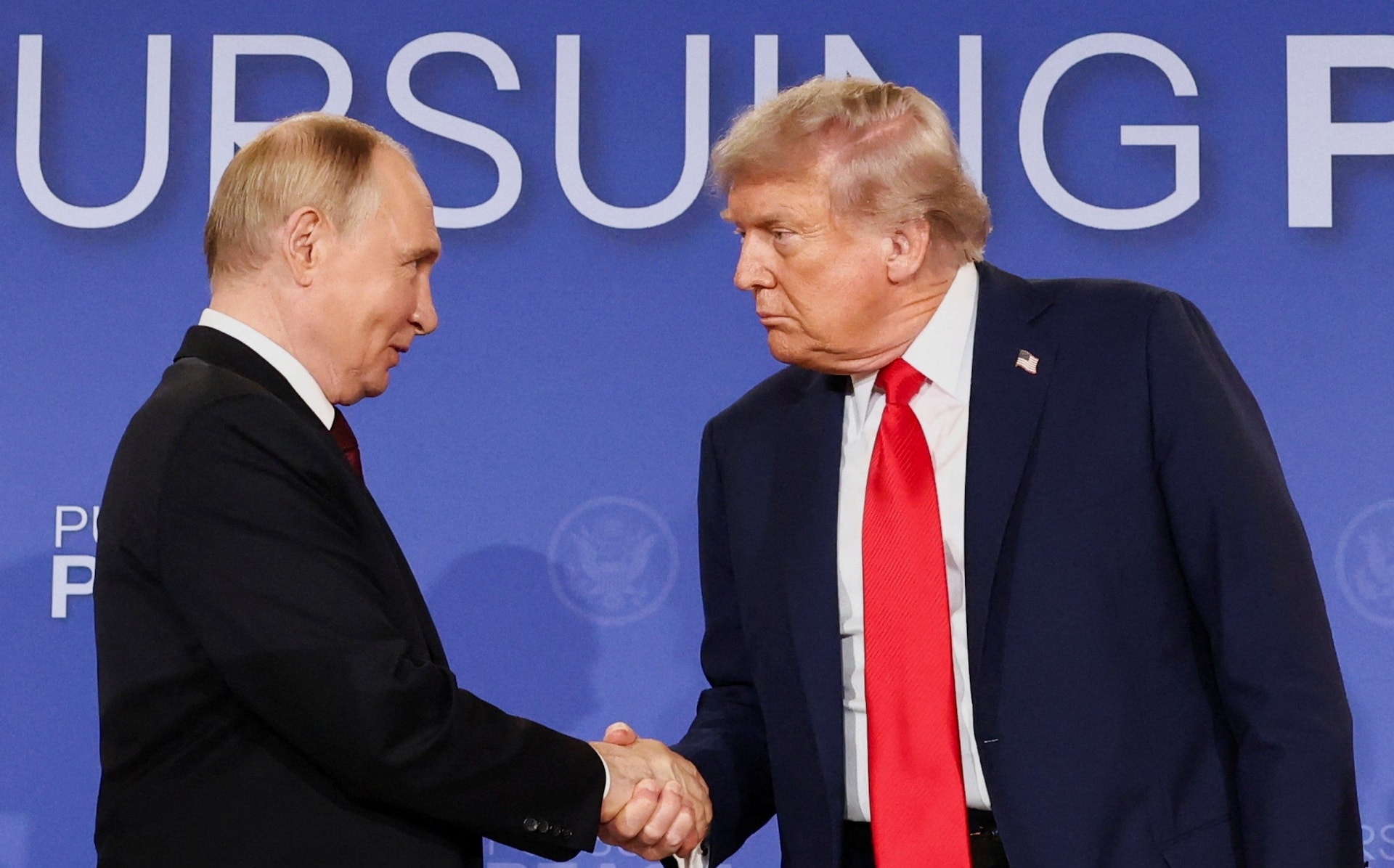
European Leaders Confront Trump on Ukraine Peace Talks
European leaders, including Sir Keir Starmer, are preparing to meet with Donald Trump in Washington to address concerns about the ongoing conflict in Ukraine. The group aims to ensure that the United States remains firm in its stance during peace negotiations and does not succumb to Vladimir Putin’s demands for further concessions from Ukraine.
This effort comes after a recent summit in Alaska, where Russia appeared to gain some ground in the conflict. The European delegation will travel to Washington to reinforce US resolve and prevent another humiliating encounter for Ukrainian President Volodymyr Zelensky at the White House. This meeting marks Zelensky’s first visit to the White House since February’s tense talks.
The delegation includes notable figures such as French President Emmanuel Macron, German Chancellor Friedrich Merz, Italian Prime Minister Giorgia Meloni, European Commission President Ursula von der Leyen, and NATO Secretary-General Mark Rutte. Together, they aim to counter Russian pressure on Ukraine, particularly regarding the Donbas region, which consists of Donetsk and Luhansk oblasts. The group is pushing back against Putin’s demand that Zelensky surrender the entire area.
Despite this, the Trump administration has acknowledged the need for discussions about the future of the mineral-rich region and emphasized that both sides must make concessions. Macron highlighted the importance of presenting a united front between Europeans and Ukrainians, warning that any peace proposal favoring Russia would amount to capitulation. He stressed that weakness toward Moscow could lead to future conflicts.
European leaders have not explicitly called for all of Donetsk to remain under Ukrainian control, instead leaving the decision up to Zelensky. However, Zelensky has rejected suggestions that he should give up the entire Donbas region, even though Ukraine still controls 30% of the land. He has expressed openness to direct negotiations with Putin, suggesting that any territorial changes should be discussed in a three-way meeting involving the US.
Zelensky pointed out that Russia has been unsuccessful in capturing Donetsk over the past 12 years, emphasizing that the current frontline is the best place for meaningful dialogue. European support for this approach appears to be part of a broader strategy to portray Russia as the main obstacle to peace.
In a joint press conference in Brussels, Zelensky and von der Leyen stated that Russia must cease attacks before proper negotiations can proceed, regardless of whether it is termed a ceasefire or not. This message seeks to counter Trump’s push for moving directly to a permanent peace deal without focusing on a temporary ceasefire. European leaders fear that such an approach could allow Russia to seize more Ukrainian territory while negotiations continue.
Senior Trump administration officials have reinforced the president’s desire for territorial discussions. Steve Witkoff, the US peace envoy, mentioned the importance of discussing the future of Donetsk. Marco Rubio also emphasized that both sides must make concessions to end the conflict. Meanwhile, the US secretary of state has softened previous threats to sanction Putin if he refuses a ceasefire, indicating that such actions may not encourage him to engage in talks.
European leaders have praised Trump for offering security guarantees for a Western-backed peacekeeping force in Ukraine once the fighting ends. A coalition of 30 nations, known as the “Coalition of the Willing,” has pledged to assist in protecting Ukrainian sovereignty if a peace deal is reached. This includes British military trainers and engineers, along with contributions from other countries, to rebuild the Ukrainian armed forces after a ceasefire. European planes, including Royal Air Force fighter jets, would also help monitor the skies to deter potential invasions.
Leaders have long argued that the US must provide some form of security “backstop” to ensure Russia is deterred from attacking again. Some have publicly thanked Trump for what they believe are NATO Article 5-like guarantees offered during a call briefing them on the Putin summit. Article 5 states that an attack on one NATO member is considered an attack on all.
Downing Street is seeking clarity on the specific security guarantees being offered by the White House, while Macron plans to ask the US how much it is willing to contribute. However, Sir Keir has avoided public comments, reflecting Downing Street’s strategy of influencing Trump behind closed doors rather than through public diplomacy.
There has been regret among senior Downing Street figures over their failure to adequately prepare Zelensky for his ill-fated meeting with Trump in February. During that encounter, Zelensky had hoped to announce a minerals deal with the US, but the meeting turned into a heated exchange when Vice President JD Vance demanded more gratitude for American support. Zelensky was eventually asked to leave the White House, with Trump telling him to return when he was ready for peace.

Post a Comment for "Europe Presses Trump to Resist Putin's Peace Ultimatum"
Post a Comment