ERP Meets the Experience Economy
The Transformation of IT in the Experience Economy
The evolution of Information Technology (IT) from a support function to a business driver is well established. Over the years, technology has played a central role in helping organizations scale, improve agility, and achieve their growth objectives. However, today’s landscape presents a new challenge: the shift from internal efficiency to user experience.
The Rise of the Experience Economy
In the current era, the impact of technology is increasingly measured not just by internal efficiencies or return on investment, but by the experiences it enables for users, customers, and stakeholders. This is the essence of the experience economy. It demands that IT deliver more than just functionality—it must provide connection, ease, and engagement.
This means that enterprise resource planning (ERP) systems must evolve into platforms through which businesses can digitally engage more meaningfully with a wide range of stakeholders, including employees, customers, and partners. Seamless, human-centric digital experiences are now at the core of competitive advantage.
Creating Value Through Experience
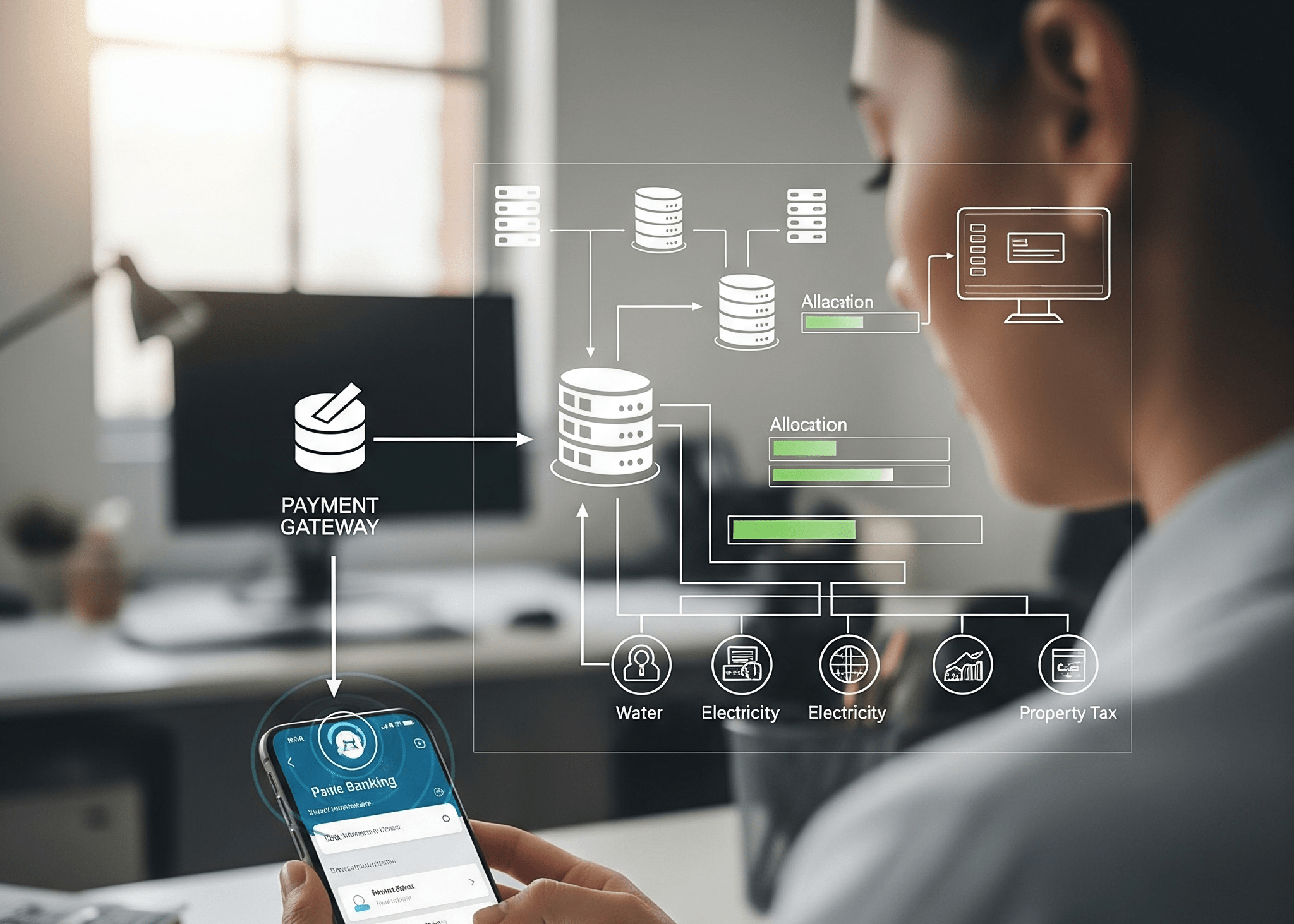
In the experience economy, value is created not only through what a business offers, but through how it makes people feel while interacting with it. Consider a customer paying a municipal bill online in minutes, a field sales representative accessing real-time stock availability while with a client, or a retailer enabling frictionless checkout. These moments define loyalty and trust, and they are powered by IT systems working quietly but powerfully in the background.
ERP platforms designed with the experience economy in mind can enable these interactions at scale. They create the digital fabric that connects departments, automates routine tasks, and provides the data needed for smarter decision-making while supporting a better experience for the end user. This experience, combined with a deep focus on building and maintaining multi-stakeholder relationships, is where the real value lies.
Delivering Value Through Strategic Implementation
Delivering this value requires a deliberate and disciplined approach to ERP implementation that aligns the technology with real-world outcomes from day one. To ensure this alignment, ERP projects must start with a comprehensive discovery process. This involves spending time with the client to understand their specific context, strategic goals, and the outcomes they aim to achieve.
Whether it's faster service delivery, more accurate reporting, or better customer engagement, the system must be configured to support those goals directly. Project structure remains essential. A formalized project management approach is key for success, as it clarifies roles, controls scope, and manages risks effectively.
Leadership and Communication Are Critical
Leadership acceptance plays a critical role in ERP implementation. Executive team endorsement helps drive adoption internally and ensures that the implementation maintains momentum and focus. This leadership presence also helps embed the experience economy mindset across the organization, from operations to HR and customer service.
Consistent, clear, and transparent communication throughout the company regarding the progress and process of the implementation is vital. It helps mitigate any pitfalls along the way and keeps all stakeholders informed and engaged.
Change Management and Employee Engagement
Change management is another key pillar of successful ERP implementation. Employees must be informed, supported, and involved from the outset. Often, resistance to change stems from fear—such as concerns about being replaced, having to learn something new, or not understanding the reason for the shift.
Aligning messaging with internal HR processes helps manage any internal angst. When employees begin to see the benefits, such as time saved, reduced errors, or happier customers, they become the strongest advocates for the implementation.
Internal change champions are crucial in this process. When respected individuals within the organization support the ERP solution, they lend credibility and encourage others to adopt the new processes, speeding up user adoption.
Measuring Success Through Business Outcomes
People are invaluable in any ERP project, but success must still be measured by clear, business-driven outcomes. ERP systems should be evaluated based on whether they are enabling the required user experiences and delivering against strategic objectives.
Although the process may vary slightly depending on company size, these aspects remain fundamental to ensuring success at the project level. This translates into a digitally enabled company that can drive improved experiences across all touchpoints.
The Importance of Partnership
Underpinning all of this is partnership. ERP implementation is not just a supplier-client transaction—it is a strategic collaboration based on both parties being aligned, accountable, and invested in delivering a shared outcome. The solutions provider must understand the client’s business and translate their objectives into technical execution. In turn, the client must be willing to engage deeply, communicate openly, and drive internal alignment.
Expanding the Relationship Beyond the Organization
But the relationship doesn’t stop there. In the experience economy, this partnership extends to the end customer. When the ERP system is designed not just to serve internal processes but to drive value creation by improving the way customers interact with the business, the benefits multiply. This includes increased customer retention, easier transactions, and improved productivity for the workforce, leading to greater profitability.
The Future of ERP
This is the future of ERP—not as a standalone tool, but as an integrated enabler of meaningful relationships and value-driven experiences. In a world where experience is the new currency of value, I truly believe that this is the evolution that matters most.

Post a Comment for "ERP Meets the Experience Economy"
Post a Comment