Erin Rises to Category 4; Outer Banks Prepare for Deadly Storm Surge
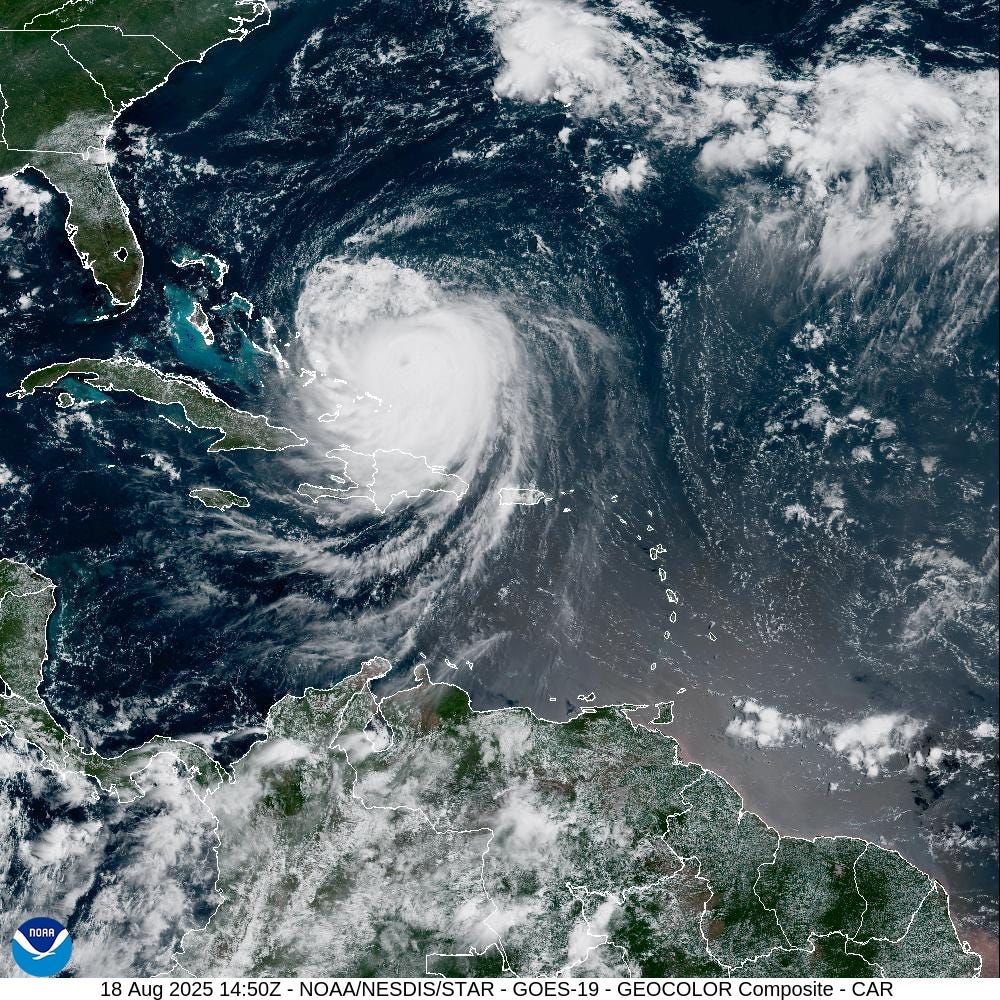
Hurricane Erin Intensifies and Poses Significant Threat to the East Coast
Hurricane Erin has shown signs of intensification, growing in size and posing a serious threat to the East Coast of the United States. As people evacuate North Carolina's Outer Banks, forecasters have issued warnings about life-threatening rip currents and dangerous surf conditions along the entire East Coast.
After experiencing a temporary weakening over the weekend, Erin has regained strength, reaching Category 4 status with maximum sustained winds of 130 mph. According to an 8 p.m. ET advisory from the National Hurricane Center, the storm is expected to continue strengthening as it gradually turns north, moving between the United States and Bermuda.
"The core of Erin is expected to pass to the east of the southeastern and central Bahamas today and tonight, and move between Bermuda and the East Coast of the United States by the middle of the week," the hurricane center stated. The storm was located 695 miles southwest of Bermuda and 805 miles south-southeast of Hatteras Island on Monday. As a result, the barrier island on the Outer Banks was placed under a mandatory evacuation order, with officials warning of possible flooding and tropical storm conditions.
The path of Hurricane Erin is being closely monitored, and while it is expected to stay offshore, dangerous surf and rip current conditions are anticipated along the Eastern Seaboard, extending all the way to Canada’s Atlantic coast. The Outer Banks face the biggest threat, with coastal flooding potentially inundating the low-lying islands by midweek.
AccuWeather predicts wind gusts of 40 to 60 mph and waves of 10 to 15 feet on the Outer Banks from late Wednesday through Thursday. Additionally, a tropical storm warning was in place for the Turks and Caicos Islands and parts of the Bahamas, with forecasters warning of possible flash and urban flooding.
As the storm moves toward the northern Atlantic, it is expected to grow in size. By Tuesday, dangerous surf conditions are expected across the entire eastern U.S. coast, according to Michael Brennan, director of the National Hurricane Center. "It's not going to be a safe environment to be in the ocean," he said, emphasizing that even though the weather may seem pleasant on shore, dangerous and possibly life-threatening rip currents could be lurking in the water.
Developments and Warnings
Several developments have been reported as the storm approaches:
- Tropical storm and storm surge watches were issued for parts of the Outer Banks in the latest National Hurricane Center update. Coastal flooding may start Tuesday afternoon, more than 24 hours before tropical storm-force winds reach the area.
- Emergency officials rescued at least 60 people caught in rip currents and heavy surf on August 18 in Wrightsville Beach, North Carolina, prompting a "no swimming" advisory through Friday.
- Erin's waves could start causing damage by Tuesday. In a video update at 5 p.m. ET, Brennan warned the Outer Banks may have to contend with 2 to 4 feet of storm surge, which can accompany hurricanes.
- Even though it's on track to pass well offshore of North Carolina, Erin's considerable size presents a danger to the state and other parts of the U.S. East Coast. Destructive wave action will start late Tuesday and peak overnight Wednesday and into Thursday.
Impact on Residents and Businesses
Resident Jeff Dawson, owner of Fatty’s Treats & Tours on Hatteras Island, described the impact of the evacuation orders. While the island started emptying during what is typically the height of tourist season, Dawson plans to stay in his home, despite the risks. He mentioned that he has lived through countless storms since 1982 and expects to help neighbors board up their windows and clear debris.
In Jacksonville, ocean breakers exceeding seven feet are expected to begin Tuesday, with the peak wave height around high tide on Wednesday. Minor coastal and tidal flooding is possible, along with beach erosion. The danger extends far beyond Florida, with weather service offices along the coast up to Maine issuing warnings of hazardous conditions at the beach and potential coastal flooding.
Evacuation Orders and Community Response
Not everyone on the Outer Banks' Hatteras Island appeared panicked about Hurricane Erin, despite mandatory evacuation orders. Angela Tawes, co-owner of Conners Supermarket, noted that there were few signs of the impending storm, other than longer-than-usual lines at the gas station. She expects many more people to evacuate on Tuesday once signs of the storm appear.
Brennan urged people not to minimize the potential for impacts along the coast, despite Erin's distance from shore. In the mid-Atlantic on Wednesday and Thursday, breaking waves of 15 to 20 feet plus coastal flooding and storm surge could overwash dunes and flood homes and roads.
Additional Information
Erin is a huge storm and is expected to grow larger. As of Monday morning, its wind field was some 397 miles in diameter. Erin ranks around the 80th percentile in terms of storm sizes of major hurricanes in the past couple of decades. Some of the largest hurricanes on record include 2012's Hurricane Sandy and Hurricane Floyd in 1999.
Two counties in North Carolina declared states of emergency and issued mandatory evacuation orders for parts of the Outer Banks. Officials for Dare and Hyde counties said Hurricane Erin is likely to cause major flooding, making it impossible to drive on Highway 12, which runs along the islands.
Category 5 hurricanes are becoming more frequent, with Erin being the 11th Category 5 hurricane recorded in the Atlantic since 2016. That is 11 in just nine years, according to University of Oklahoma student Michael Ferragamo.
Even hundreds of miles offshore, hurricanes can be damaging and deadly. Many lives have been lost during hurricanes that remained well offshore but created rough surf or deceptive conditions that can disguise hazardous rip currents. Over 10 years, about 10 to 15% of all deaths in tropical storms and hurricanes were attributed to rip currents.

Post a Comment for "Erin Rises to Category 4; Outer Banks Prepare for Deadly Storm Surge"
Post a Comment