EPA Proposes Ending Greenhouse Gas Regulation Authority
The EPA's Plan to Roll Back Climate Regulations
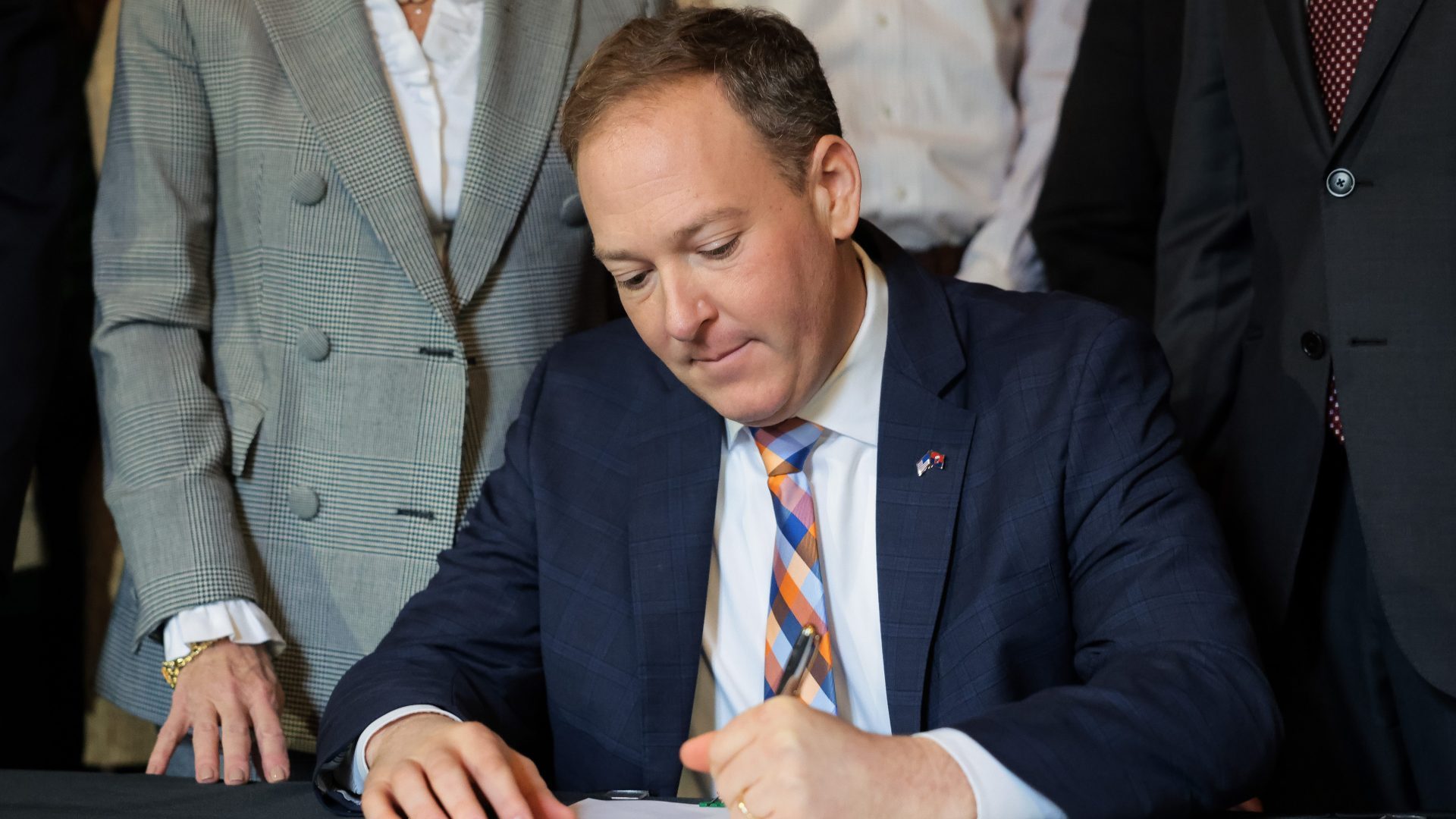
The Environmental Protection Agency (EPA) has announced a significant shift in its approach to regulating greenhouse gas emissions. EPA Administrator Lee Zeldin has stated that the agency plans to eliminate the government’s ability to regulate these emissions under the Clean Air Act. This move targets the 2009 endangerment finding, which was a pivotal tool used by Democratic administrations to combat climate change.
During a speech at the Palmer Trucks company in Indianapolis on July 29, Zeldin described the action as "the largest deregulatory action in the history of the United States." He argued that this decision aligns with the will of the American public, claiming that the regulations make cars more expensive and burden businesses and consumers.
Zeldin emphasized that the EPA is following the law, referencing recent Supreme Court rulings such as West Virginia v. EPA. This case limited federal agencies' ability to interpret acts of Congress and create broad regulations. The EPA's proposal is part of a broader effort by the Trump administration to reduce regulatory burdens on businesses, including rolling back rules on mercury and air toxins from power plants.
Understanding the Endangerment Finding
The 2009 EPA endangerment finding was based on the 1970 Clean Air Act. It declared that greenhouse gases, such as methane and carbon dioxide, "may reasonably be anticipated to endanger the public health and welfare of current and future generations" due to climate change impacts like heatwaves, extreme weather events, and deteriorating air quality.
This finding led to the creation of rules aimed at limiting emissions from various sectors, including light and heavy-duty vehicles, power plants, oil and gas operations, and landfills. The decision followed a 2007 Supreme Court ruling in Massachusetts v. EPA, which compelled the agency to regulate greenhouse gases under the Clean Air Act.
Despite the 2022 West Virginia ruling, which Zeldin cited, the 2007 decision remains intact. Additionally, the 2022 Inflation Reduction Act reaffirmed the EPA's authority to regulate greenhouse gas emissions.
Reactions to the EPA's Decision
Environmental groups have strongly criticized Zeldin's announcement, highlighting the dangers of climate change. Fred Krupp, president of the Environmental Defense Fund, stated that the Endangerment Finding is built on a solid scientific foundation that has only strengthened over time.
In contrast, Zeldin claimed that previous administrations made "many, many mental leaps" in applying the endangerment finding. He argued that eliminating the finding and subsequent vehicle emissions standards would help "protect and bring back American auto jobs."
At a press conference, Gary Langston, president of the Indiana Motor Truck Association, supported Zeldin's decision. He argued that regulations requiring the trucking industry to use electric trucks ignored the economic and operational realities of the sector. Langston claimed that a Biden-era rule would lead to "economic ruin" for the industry, even though it does not ban conventional engines but mandates the use of electric vehicles for an increasing percentage of new trucks starting in 2027.
Dan Becker, campaign director at the Center for Biological Diversity, accused the Trump administration of prioritizing "Big Oil over sound science and people's health."
What Comes Next?
The EPA is following a legal process to change the rules, which includes a public comment period to gather feedback on the decision. Zeldin mentioned that the public comment period will last 45 days, after which the agency will issue a final rule.
Energy Secretary Chris Wright also addressed the press conference, discussing a new report on climate change from the Department of Energy. Wright noted that the report underwent an "internal review" involving scientists from the DOE science division and national laboratories. The report is now available online, allowing the public, including scientists worldwide, to review it. Prior to publication, the report had not been reviewed by any scientists outside the federal government.
Wright expressed a desire to "end the cancel culture, Orwellian reality we've been in where climate change is not treated as a serious science," advocating instead for it to be used as a political talking point.

Post a Comment for "EPA Proposes Ending Greenhouse Gas Regulation Authority"
Post a Comment