EPA Chief Lee Zeldin Aims to Repeal Obama's Energy-Raising Emissions Rule
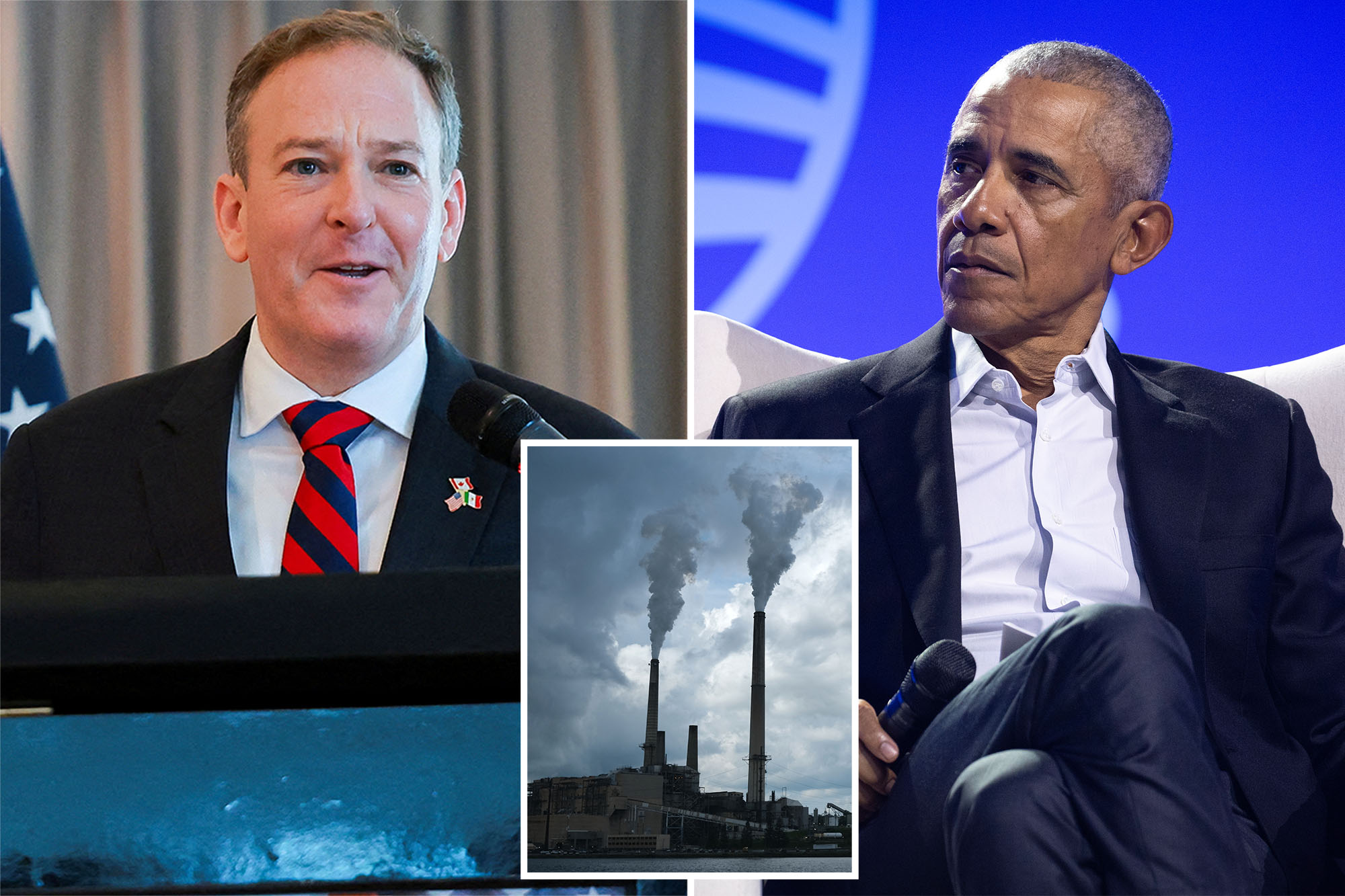
The Repeal of the Obama-Era Emissions Finding
Environmental Protection Agency (EPA) Administrator Lee Zeldin has announced plans to repeal an Obama-era emissions finding that he once called the “holy grail of the climate change religion.” This decision could have significant implications for energy costs and regulations across the United States. The 2009 Endangerment Finding was a cornerstone of environmental policy, underpinning over $1 trillion in regulations that affected various sectors, including the automotive industry.
During a speech at an Indianapolis auto dealership, Zeldin emphasized his commitment to reducing regulatory burdens on automakers and consumers. He described the move as the "largest deregulatory announcement in US history," aiming to bring clarity and stability to an industry that has faced years of uncertainty.
Zeldin argued that previous administrations, including those of Obama and Biden, had misinterpreted the law and manipulated scientific data to support their policies. According to him, these actions led to hidden taxes on American families, costing hundreds of billions of dollars annually. He claimed that the greenhouse gas (GHG) emissions standards were not the real issue, but rather the carbon dioxide emissions that were not assessed independently.
If finalized, the repeal of the Endangerment Finding could result in significant savings for American consumers, with estimates suggesting up to $54 billion in annual cost reductions. The EPA's projections highlight the potential economic benefits of this move, which could alleviate financial pressures on households and businesses.
Historical Context and Implications
Under President Obama, the EPA determined that several greenhouse gases, including carbon dioxide, methane, nitrous oxide, hydrofluorocarbons, perfluorocarbons, and sulfur hexafluoride, posed a threat to public health and welfare. While no immediate regulations were implemented, this finding allowed for subsequent rules affecting the auto industry and other energy-related sectors.
Zeldin’s proposal would eliminate the foundation for these regulations, impacting light-, medium-, and heavy-duty vehicles, as well as those with heavy-duty engines. The regulations began with light-duty vehicles in 2010 and expanded to cover all models over time. President Biden used the same framework to push for the mass production of electric vehicles, a move that sparked criticism from industry leaders.
Chris Spear, president of the American Trucking Association, joined Zeldin at the event, highlighting concerns about the impact of these regulations on the trucking industry. He argued that the electric-truck mandate could lead to economic ruin, disrupt supply chains, and increase costs for American families and businesses. Additionally, he expressed worries about stifling innovation by ignoring available technologies that could reduce emissions more efficiently and affordably.
Political Reactions and Legal Challenges
The proposed repeal has drawn sharp criticism from Democrats, who view it as a betrayal of the American people. Rep. Frank Pallone (D-NJ), ranking member on the House Energy and Commerce Committee, condemned the move, calling it a "despicable betrayal." He accused the Trump administration of pretending that climate pollution does not endanger human health or the environment, suggesting that the decision serves corporate interests rather than public welfare.
This reversal comes amid broader efforts by Zeldin to streamline regulations for other energy-related issues. Recent Supreme Court decisions have supported these efforts, limiting the EPA's authority to regulate emissions from coal and gas power plants. The White House Office of Management and Budget is also considering similar actions at other agencies.
Steve Milloy, a senior fellow at the Energy and Environment Legal Institute and adviser to Trump’s EPA transition team, highlighted the negative impacts of the Obama-era policies. He noted that the coal industry has suffered significantly, with over half of the sector destroyed, electricity prices rising, and car prices nearly doubling. Milloy questioned where affected communities and consumers would seek redress for the damages caused by what he calls a "climate-hoaxed crazed federal government."
Conclusion
The repeal of the 2009 Endangerment Finding represents a significant shift in U.S. environmental policy. While proponents argue that it will reduce costs and promote economic growth, critics warn of potential environmental and social consequences. As the debate continues, the implications of this decision will likely shape the future of energy regulation and climate policy in the United States.

Post a Comment for "EPA Chief Lee Zeldin Aims to Repeal Obama's Energy-Raising Emissions Rule"
Post a Comment