EPA Chief Launches Effort to Repeal Greenhouse Gas Rule
EPA's Plan to Repeal Greenhouse Gas Rule Sparks Debate
The U.S. Environmental Protection Agency (EPA) has announced plans to repeal a key regulation that has been in place for over 16 years, sparking significant debate among environmental advocates, industry leaders, and policymakers. The rule, known as the endangerment finding, was established during the Obama administration and determined that six major greenhouse gases from tailpipe emissions pose a threat to public health and contribute to climate change.
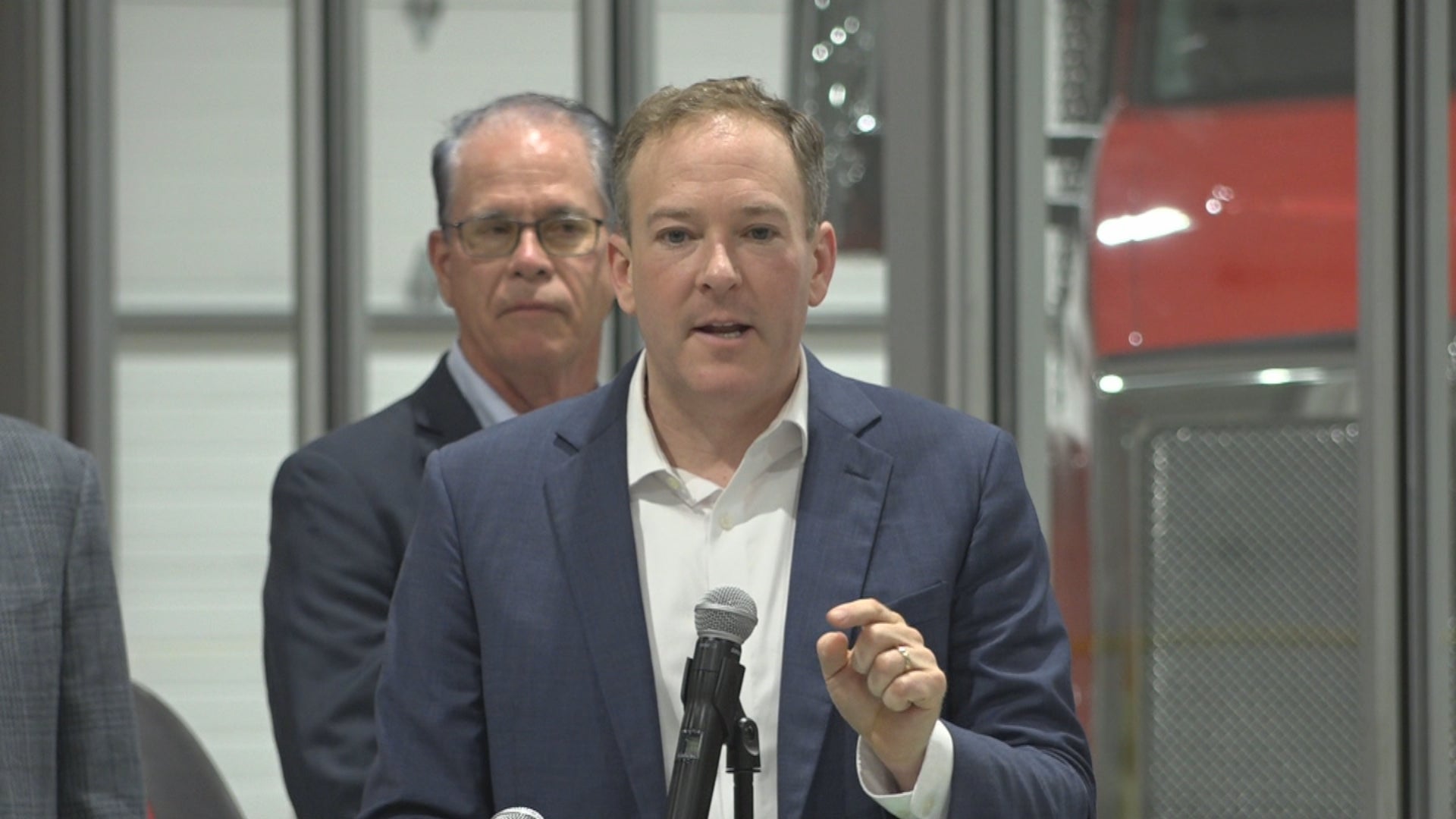
This decision by the EPA’s current administrator, Lee Zeldin, comes after he criticized the rule as being politically motivated and not based on solid scientific evidence. His comments were made during an event at a heavy truck dealership in Indianapolis, where officials from the Trump and Braun administrations celebrated the start of the process to eliminate the endangerment finding.
Zeldin argued that the rule exceeded the EPA’s authority under the Clean Air Act, particularly Section 202. He claimed that previous administrations made assumptions that were not supported by facts and relied on predictions that did not materialize. “Do you really think that the EPA should be coming up with the many, many mental leaps that went into this endangerment finding?” he questioned.
If the endangerment finding is repealed, it could lead to the removal of various mandates, including those related to electric vehicles and carbon credits given to automakers for incorporating start-stop technology. Zeldin stated that this move would reduce car prices associated with meeting these requirements and help bring auto industry jobs back to the United States.
According to the EPA, the transportation sector remains the largest source of greenhouse gas emissions in the country, accounting for 28% of such emissions in 2022. Electricity generation and industry followed closely behind at 25% and 23%, respectively. Nearly 57% of transportation-related emissions come from light-duty vehicles like passenger cars. On average, a passenger car emits 4.6 metric tons of carbon dioxide in one year.
Despite these statistics, Zeldin maintains that the endangerment finding will not affect existing regulations under the Clean Air Act. However, critics disagree. Sam Carpenter, executive director of the Hoosier Environmental Coalition, argues that the endangerment finding has guided regulations on everything from auto emissions to power plants since 2009. He believes that repealing it will have a direct impact on air and water quality.
Carpenter also highlights the long-term economic costs of eliminating greenhouse gas regulations. He points out that the combined cost of climate change and the loss of billions of dollars in clean energy investments would outweigh any short-term benefits. “We need to stop pretending that climate change is not a problem,” he said. “People are seeing that their electricity costs are skyrocketing. That is because of extreme heat and the need for additional energy and infrastructure.”
The EPA plans to finalize the rule after a 45-day public comment period. However, legal challenges to keep the endangerment finding in place are expected. As the debate continues, the implications of this decision remain a topic of intense discussion across the nation.

Post a Comment for "EPA Chief Launches Effort to Repeal Greenhouse Gas Rule"
Post a Comment